


Why Scaling Business Should Migrate WooCommerce Stores to Shopify
08 Apr 2025
 Mike Patel
Many rapidly expanding businesses regret using WooCommerce as an eCommerce platform after a certain time. To meet the changing market trends and customer demands, brands must update their eStore. With WooCommerce, it is difficult to achieve without expansive customization, which is time-consuming too.
Organizations seeking an advanced yet cost-effective eCommerce platform should migrate their WooCommerce stores to Shopify. Shopify is a top-notch platform that helps B2C and B2B businesses achieve consistent success by developing ultramodern e-stores.
If you are exploring the possibilities of migrating your WooCommerce store to a powerful eCommerce platform, consider Shopify.
By uncovering the robust capabilities of Shopify, I will help you understand how the eCommerce platform transforms your eCommerce space.
Let’s get started!
Table of Content
- WooCommerce vs. Shopify: Which One Is Right for Your eCommerce Store?
- 5 Key Reasons Organizations Migrate WooCommerce Stores to Shopify
- Top 16 Shopify Features that Every Scaling Business Should Consider
- Ready to Migrate WooCommerce Stores to Shopify?
- Frequently Asked Questions
WooCommerce vs. Shopify: Which One is Right for Your eCommerce Store?
WooCommerce and Shopify are powerful platforms that help eCommerce businesses gain a competitive edge. The major difference between both platforms is:
- WooCommerce is a WordPress plug-in that empowers CMS websites with eCommerce capabilities.
- Shopify is an eCommerce platform specifically designed to simplify the day-to-day eCommerce operations for merchants.
Below are the pros and cons of each platform.
WooCommerce vs. Shopify: Advantages

WooCommerce vs. Shopify: Disadvantages

5 Key Reasons Organizations Migrate WooCommerce Stores to Shopify
WooCommerce is a flexible platform built using WordPress. It is used by several B2B organizations of different domains, including manufacturers, wholesalers, and distributors. It addresses the complex needs of B2B organizations such as:
- Back-End System Integrations
- Account-Based Purchase
- Custom Pricing Tiers and more
ioVista has proven experience in building stable, scalable solutions tailored to the unique needs of B2B operations by offering WooCommerce services.
On the other hand, Shopify is a cloud-based platform and offers a user-friendly interface. With Shopify, B2B business owners can easily launch and manage web stores. Being a scalable platform, businesses can integrate enterprise systems and third-party apps to streamline operations, ensure real-time inventory visibility, and leverage efficient order processing.
Harnessing the advanced capabilities of Shopify, ioVista implements eCommerce solutions with the right set of features, integrations, and customization that drive sustainable growth.
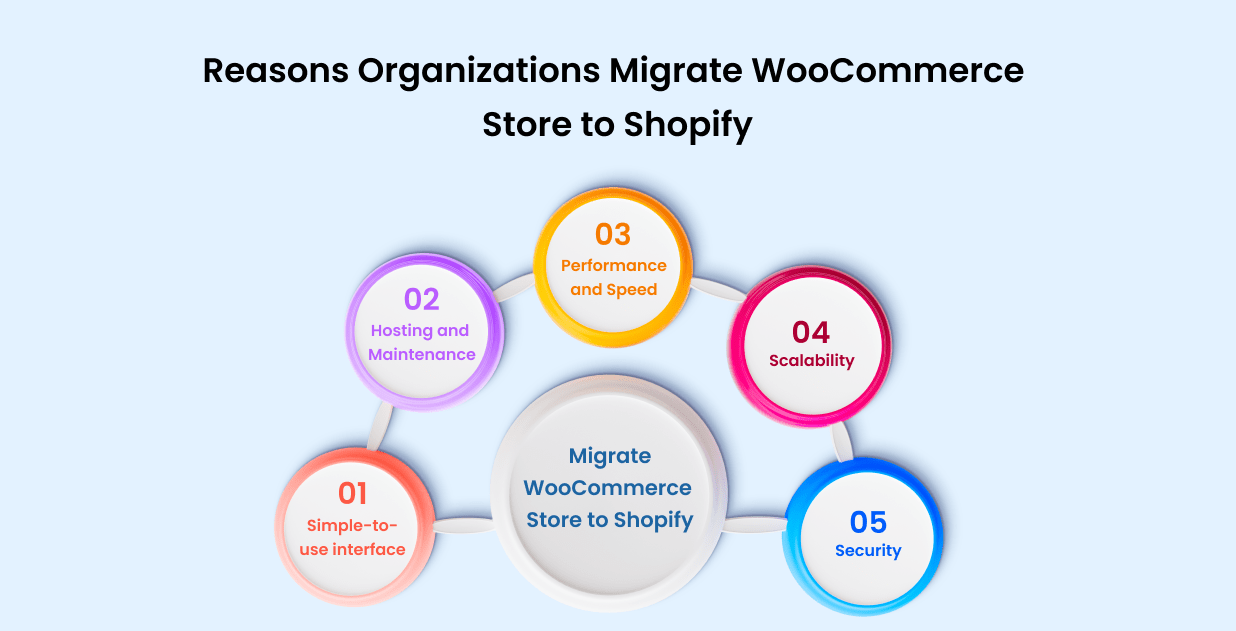
1. Simple-To-Use Interface
Shopify provides an intuitive interface that streamlines day-to-day tasks. Merchants can set up and manage an online store with zero coding. The WooCommerce store interface is difficult to build and operate without technical support.
2. Hosting & Maintenance
WooCommerce requires a separate hosting provider. Merchants are responsible for solution hosting, server maintenance, security protocols, and system updates, which can be overwhelming for rapidly scaling brands.
Shopify is a fully hosted platform that automatically manages servers, updates, and security protocols. It helps businesses focus on growth rather than technical complexity.
3. Performance & Speed
The speed and performance of an eCommerce solution depend on the hosting server’s capabilities and how it is maintained.
To improve the performance of a WooCommerce solution, you have to rely on an in-house team, a WooCommerce development services agency, or a third-party hosting provider to host the server.
Shopify manages the hosting on its own server. By offering high-speed hosting, Shopify ensures faster page loading time.
4. Scalability
As your business expands, your eCommerce needs will increase.
Shopify’s scalable cloud-based infrastructure is designed to handle high traffic volumes seamlessly, optimizing performance through load balancing and distributed architecture.
WooCommerce has a flexible infrastructure. However, you require technical expertise and additional resources to maintain application performance during high-traffic surges.
5. Security
eCommerce businesses deal with sensitive data, so security is the primary need.
Shopify comes with built-in security features; including:
- Compliance with PCI DSS Standards
- Regular Backups
- SSL Certificates and more
WooCommerce cannot offer the same security standards as store owners are responsible for implementing and maintaining solution security.
Top 16 Shopify Features that Every Scaling Business Should Consider
Shopify contains various features and functionalities that help you build a groundbreaking solution with a faster turnaround time. eCommerce companies that scale rapidly should migrate WooCommerce stores to Shopify to drive agility and efficiency in the business.
Here are the top 16 features that help you with world-class Shopify store development.
1. Automated Shipping and Tax Calculation
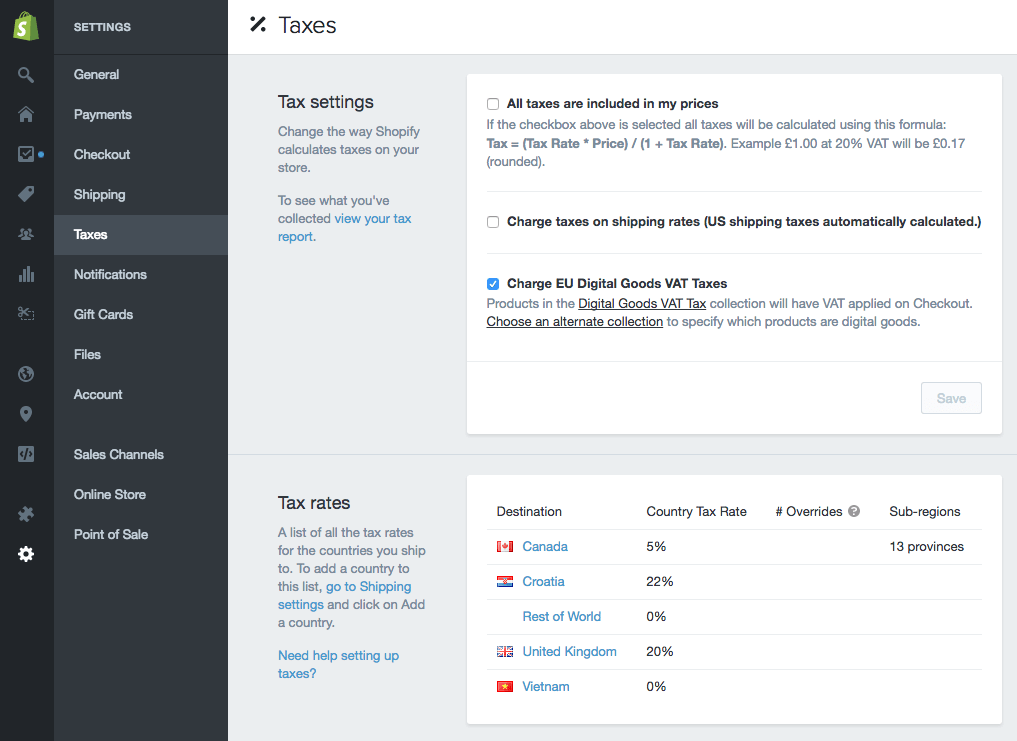
Merchants who sell their products or services globally are concerned about calculating shipping charges and taxes based on different countries.
Not anymore!
Shopify automatically calculates shipping costs and taxes based on the product’s size and weight and the customer’s location.
The automated shipping and tax calculation feature of Shopify offers:
- Real-Time Shipping Rate Calculation
- Automatic Tax Calculation
- Carrier Platform Integration
Using Shopify, you can customize the checkout process to meet your specific business needs. This eCommerce platform simplifies online shopping for shoppers and sellers by optimizing the checkout process.
2. Marketing & SEO Tools
Shopify provides advanced digital marketing and SEO services by offering plugins like:
- SEO Plus
- SEO Booster
- Plugin SEO and more
This eCommerce platform allows you to set meta tags and meta titles for each eCommerce website page. Shopify indicates if the title and meta description are longer than the required character limit.
The advanced marketing and SEO capabilities of Shopify include:
- Third-Party Integration
- Automated sitempa.xml Creation
- Social Media Integration
- Following Best SEO Practices
- Integration of Different Sales Channels (such as mobile app, social media, marketplaces, and more)
- Faster Loading and Response Time
Drive better sales and revenue by optimizing your website’s visibility on leading search engines by harnessing Shopify’s cutting-edge marketing and SEO capabilities.
3. Dropshipping
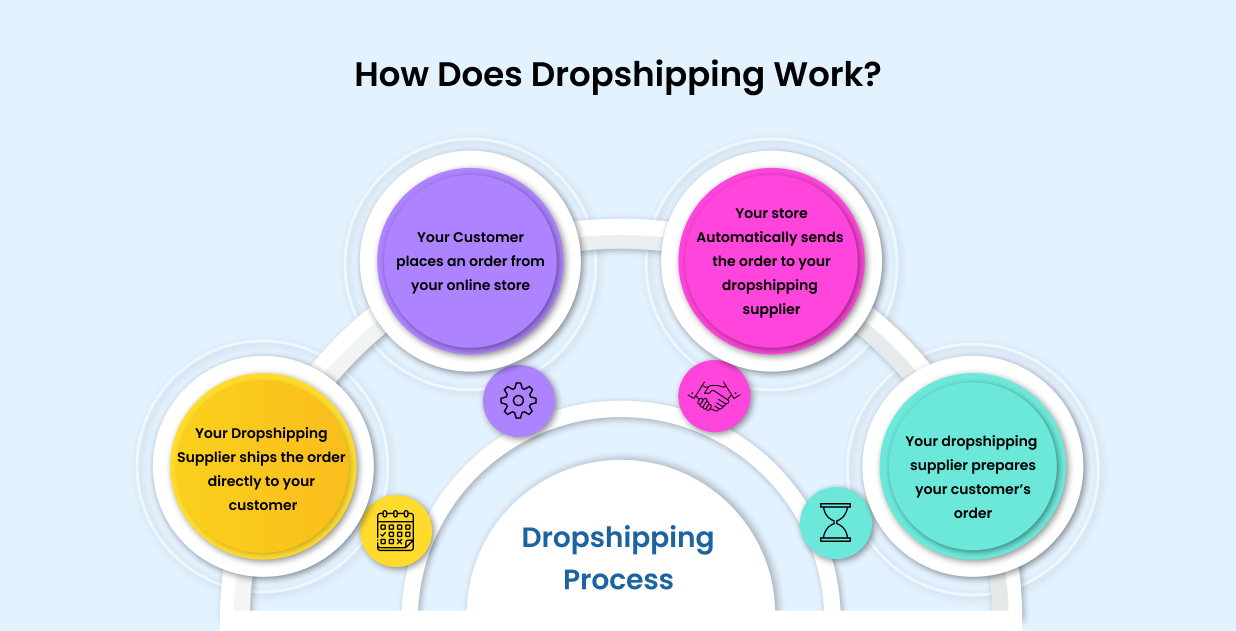
Dropshipping allows merchants to purchase products from a third-party vendor and deliver them directly to customers.
You can sell products without holding inventory, which reduces the upfront costs of warehouse management. Pay wholesale prices to your suppliers and sell the products at profitable prices to your customers.
Shopify dropshipping provides you with real-time access to:
- Inventory Updates
- Order Fulfillment Status
- Communication with Suppliers and more
4. Analytics
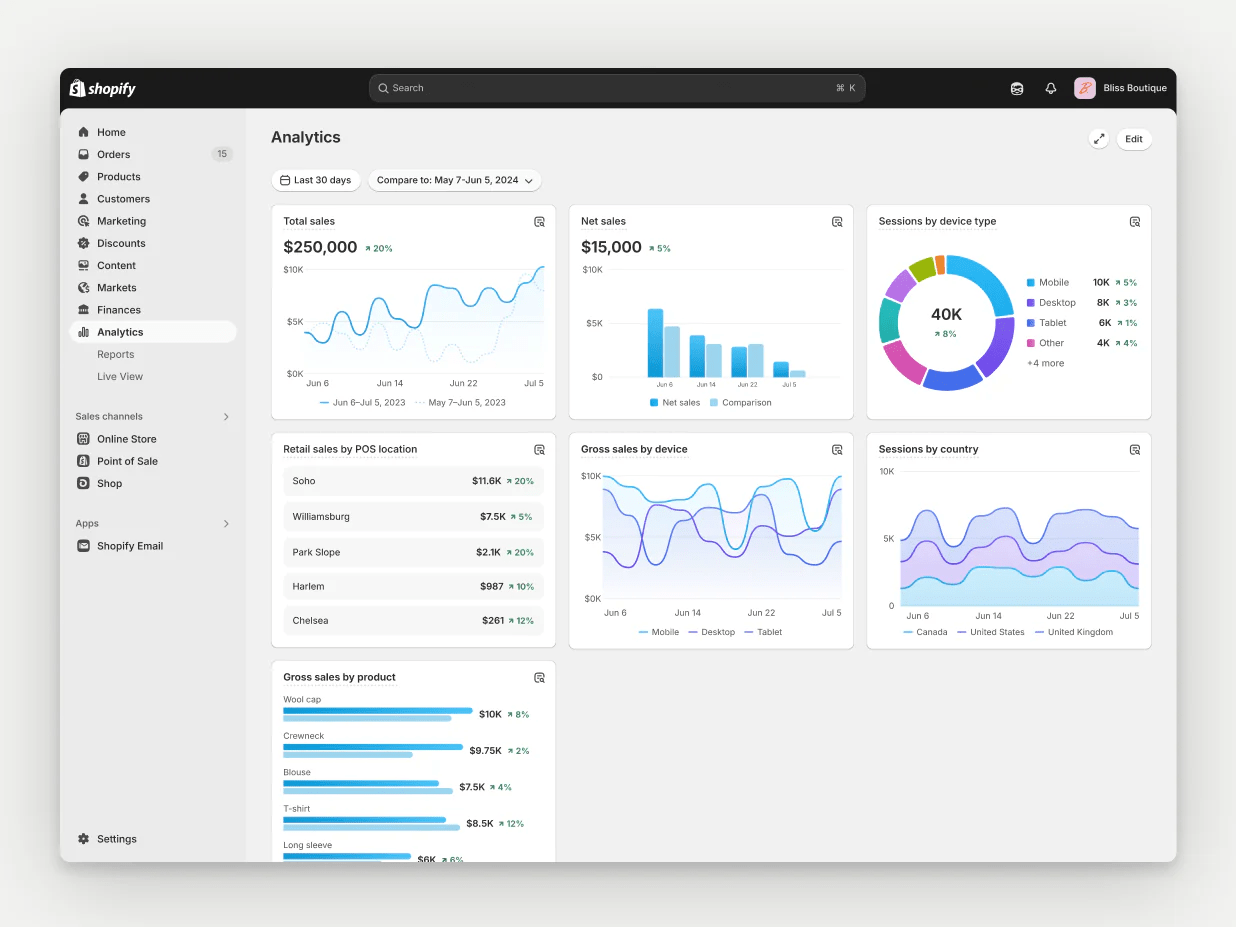
Shopify analytics is a robust tool that provides a comprehensive view of your eCommerce store’s performance. A Shopify dashboard provides you with insights into:
- Customer Behavior
- Traffic Sources
- Sales
You can get exclusive insights into two major aspects:
- Products
- Sales & Customers
Product Analytics
Offering product analytics, Shopify gives you in-depth information on the sales performance of different products. You can access the data related to:
- Which Products Are Trending?
- Which Products Are Selling More?
- Where are these Products Purchased From?
- How Many People Have Visited Your Online Store?
- Which Products Have the Customers Opened Multiple Times?
- What are the Customers Looking For?
- How Have the Customers Interacted with Your Product Pages? and much more
Sales & Customer Analytics
Shopify analytics provides insights into various aspects related to sales and customers by analyzing the buyers’ behavior, which includes:
- Which Customer is Buying What?
- When are the Customers Making the Purchase Decision?
- What are Their Geographic Specifications?
- What are the Demographics of the Shoppers?
- How Many Items are in Their Cart? and more
No matter what Shopify plan you select, each plan provides you with full or partial access to the analytics feature. Thus, assess each plan carefully before picking one. With a premium plan, you can have:
- Detailed Analysis and Reporting of Your Store
- Real-Time Data of Your eCommerce Website
- Advanced Customer Segmentation
5. Abandoned Cart Recovery
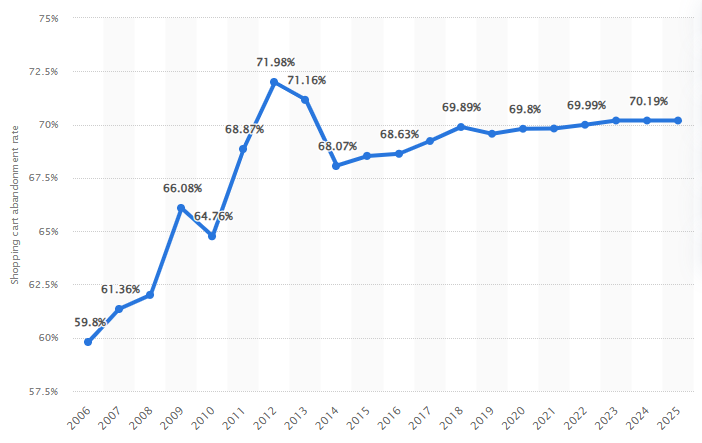
According to Statista, in 2025, the online shopping cart abandonment rate worldwide will be 70%
The higher the cart abandonment rate, the higher the sales loss. Such a sales drop is a big challenge for any eCommerce website.
Using the abandoned cart checkout email feature, merchants can identify customers who have products in their carts and send them reminder emails to buy those products.
With a premium Shopify plan, you can automate this process for target buyers. It helps them save time and effort and generate revenue.
6. Localization
If you want to expand your business globally, Shopify is the right platform to opt for. You can create a storefront for your preferred regions using the native language and currency.
Your storefront automatically detects the location of the buyers and provides product details in their local language and currency.
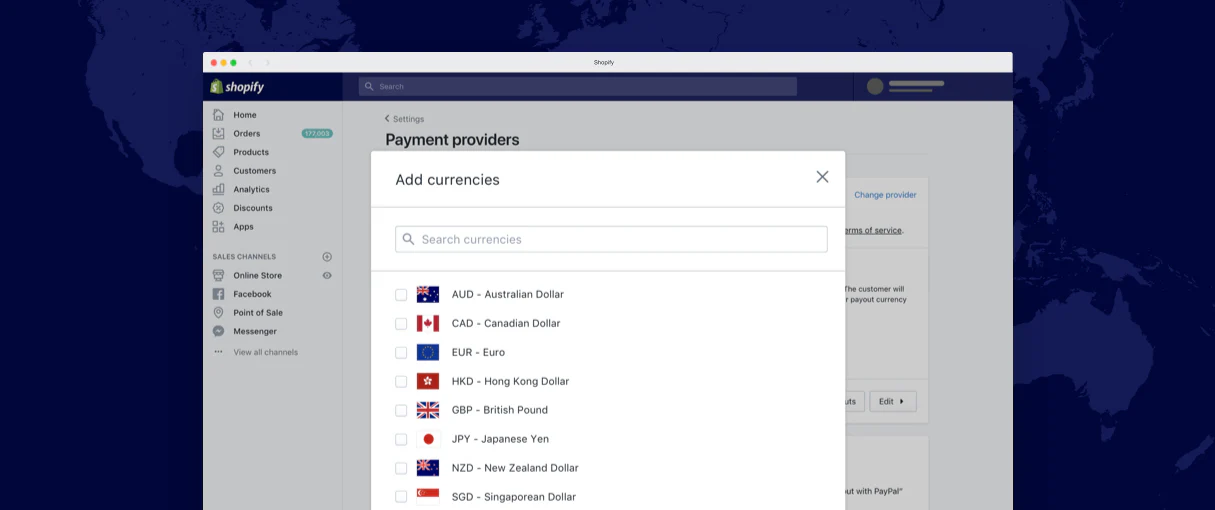
Shopify store development empowers merchants with global expansion.
- International Tax Rules Integration
- International Shopping Carrier Configuration
- Country-Specific Payment Options and more
Shopify allows you to create customized pricing strategies for each region and scale globally without operational complexity.
7. Mobile Commerce
The number of mobile users globally is projected to reach 7.49 billion by 2025. Out of this, 76% of consumers say they shop from mobile devices because it saves time.
When such a large number of users shop using mobile phones, businesses must ensure a strong eCommerce presence with a rich, vibrant, and fully functional mobile website.
Shopify is a mobile responsive platform that adjusts to the size of your screen and allows you to expand your business and reach a large customer base.
8. AI-Driven Improvements
This eCommerce platform contains different AI capabilities that facilitate the merchants with futuristic automation tools such as:
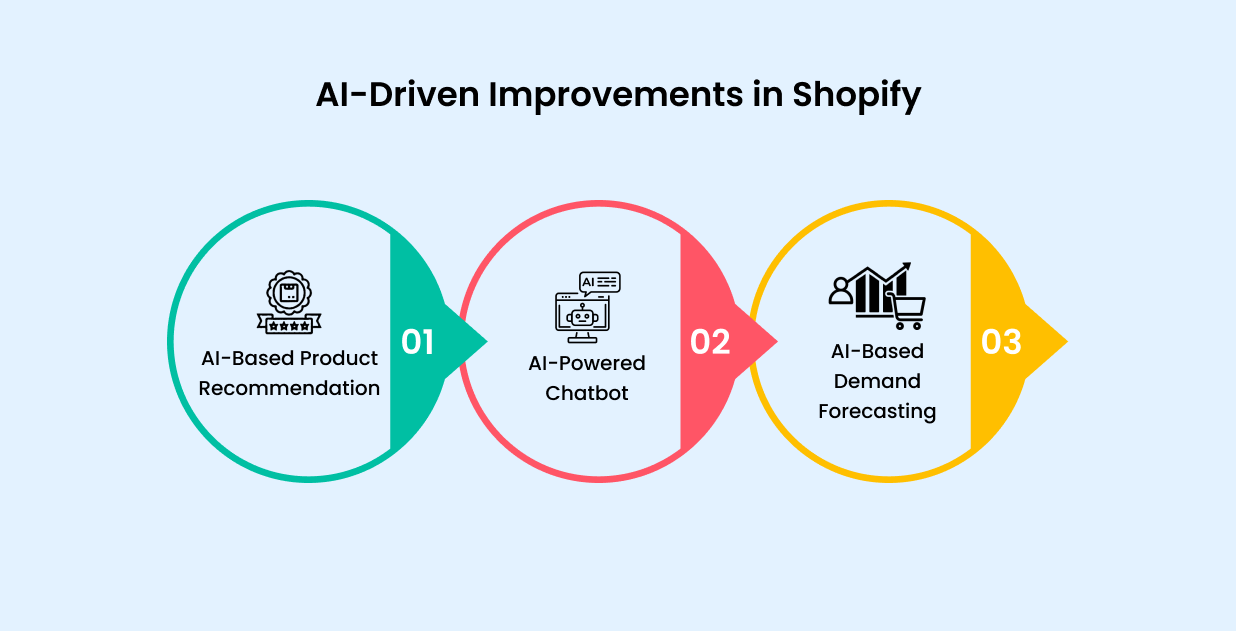
AI-Based Product Recommendation
Leverage an AI-based product recommendation engine to track details like:
- Customer Buying Behavior
- Purchase History
- Buying Patterns
Deliver a personalized shopping experience to the buyers by recommending relevant products. Eventually, it improves customer engagement and conversions.
AI-Powered Chatbot
Using an AI-based chatbot, you can answer queries around the clock. When response time decreases, the user experience increases.
AI-Based Demand Forecasting
Leverage Shopify’s AI-powered demand forecasting functionality to optimize inventory management.
9. Multipass
Multipass is the latest security feature for authentication that ensures a smooth and secure user login.
In other words, it allows users to access the eCommerce store using the authenticated credentials of different sites. Multipass automatically establishes an account for new customers who do not have an account on your Shopify store yet.
For Shopify and Shopify Plus, you can have two login options.
- Single Sign-On Login for Customers
- Single Sign-On for Other Platforms
It is best suited for organizations that manage specific learning networks, customer portals, and subscriptions and plan to consolidate all access.
10. App Store
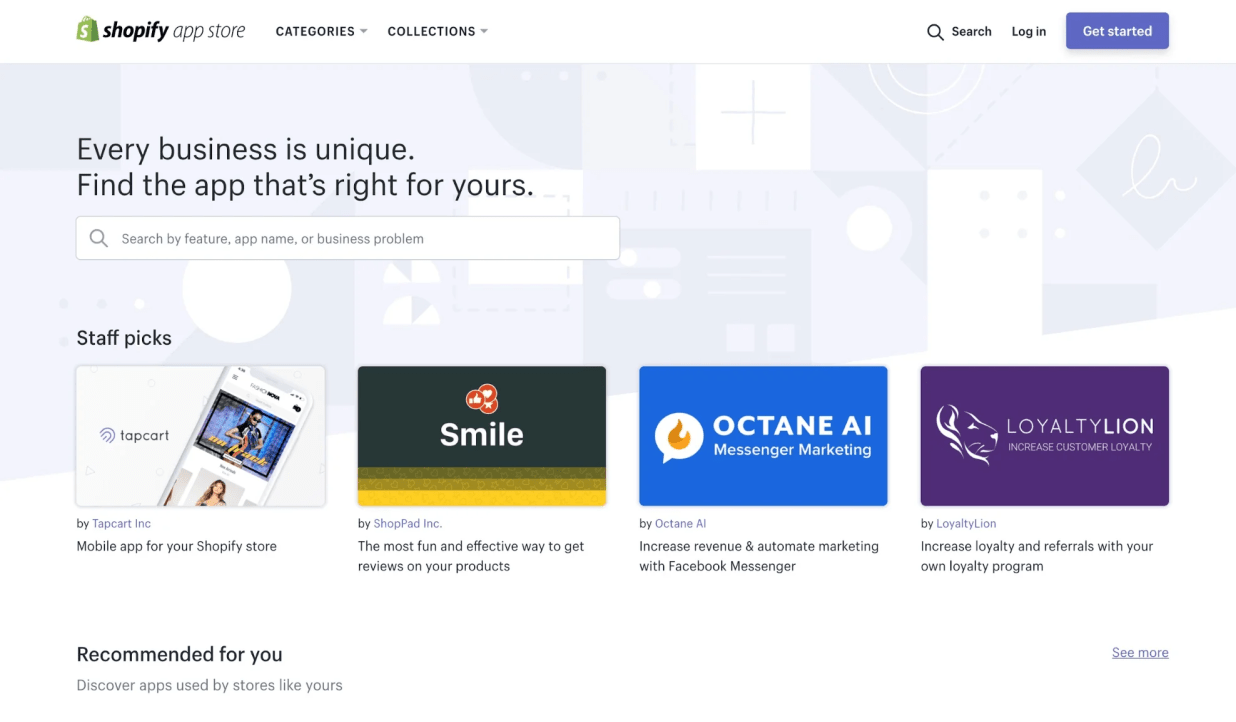
Shopify comes with an App Store that helps online merchants with 8,000+ apps. These apps are highly rated and well-tested. On average, an app costs you $20 per month. The Shopify App Store provides you with various tools to streamline your store management, which consist of:
- Sales Channel Integration: Optimize retail and POS operations by synchronizing and managing the products across different sales channels.
- Products Search: Leverage accurate product sourcing with the help of suppliers using wholesale options, dropshipping, on-demand printing, etc.
- Product Selling: Increase sales and revenue by offering customized product features, digital downloads, multiple payment gateways, and more.
- Ordering and Shopping: Improve product processing time by using the tools for order tracking, invoice printing, etc.
- Store Designing: Create a customized store with advanced functionalities
- Marketing: Improve customer conversion and retention with up-selling and cross-selling tactics, product bundles, email marketing, positive reviews, etc.
11. Theme Store
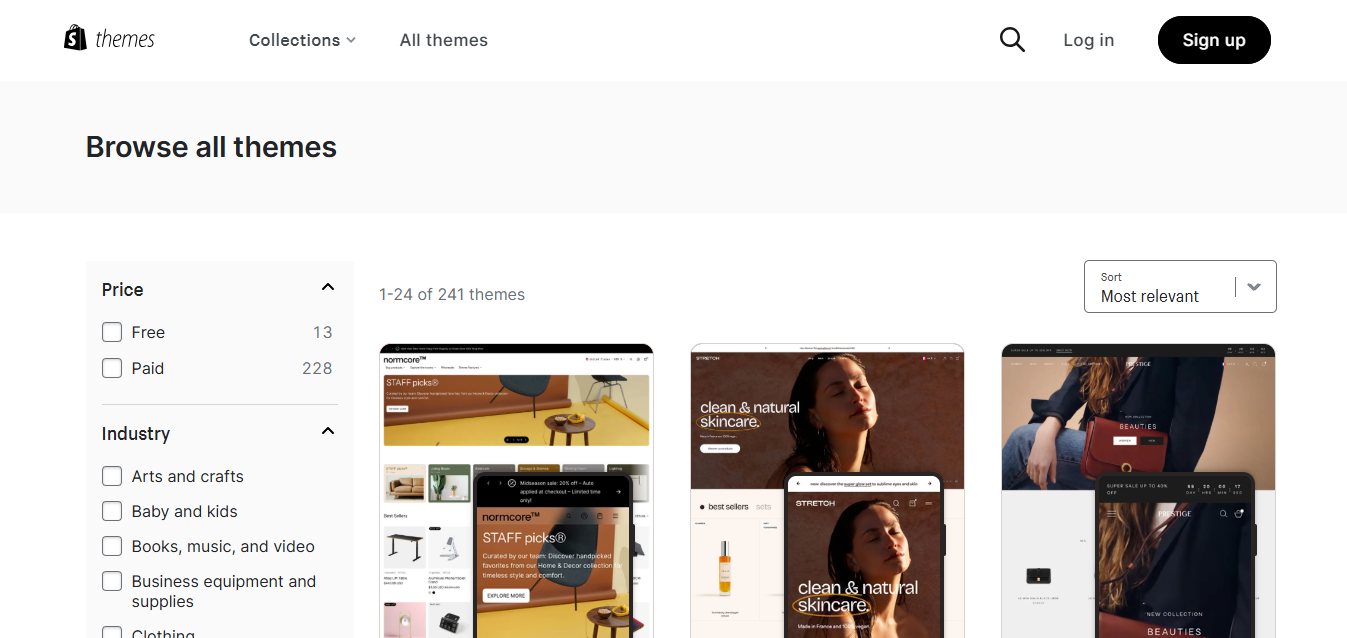
50% of users consider a website’s design when forming an opinion about a business.
Thus, ensure your store has an appealing design with high-quality products that grab customers’ attention. Improve customer experience by choosing the right Shopify theme that has an intuitive UI with a rich look and feel.
Shopify offers both free and premium themes. You can select the one that helps you to build an attractive website and drive revenue.
12. Personalization
Personalization is the key to standing out from your competitors. Make your customers feel that you understand and care about them.
Shopify allows you to integrate personalization into your website to track:
- What Products Are Customers Searching For?
- What Products Are Viewed by the Most Customers?
- Which Page Are the Customers On?
- What Are Their Geographic Locations and Demographics?
When you know what your target audience is looking for, you can provide them with the precise product that improves conversions, sales, customer experience, and user satisfaction.
13. Multiple Payment Options
The eCommerce space is getting competitive with each passing day. To stay ahead of the curve, businesses cannot afford to lose customers due to not having different payment options. By incorporating multiple payment options, you can experience the benefits of:
- Reduced Cart Abandonment Rate
- Increased Conversions
- Secure, Smooth, and Instant Transactions
14. Store Management
Shopify offers complete control over your store by providing various tools. You can make changes to the website’s HTML and CSS anytime. Shopify’s store management also allows you to track order trends and manage the store remotely.
Apart from this, you can leverage various built-in features of Shopify for store management, including:
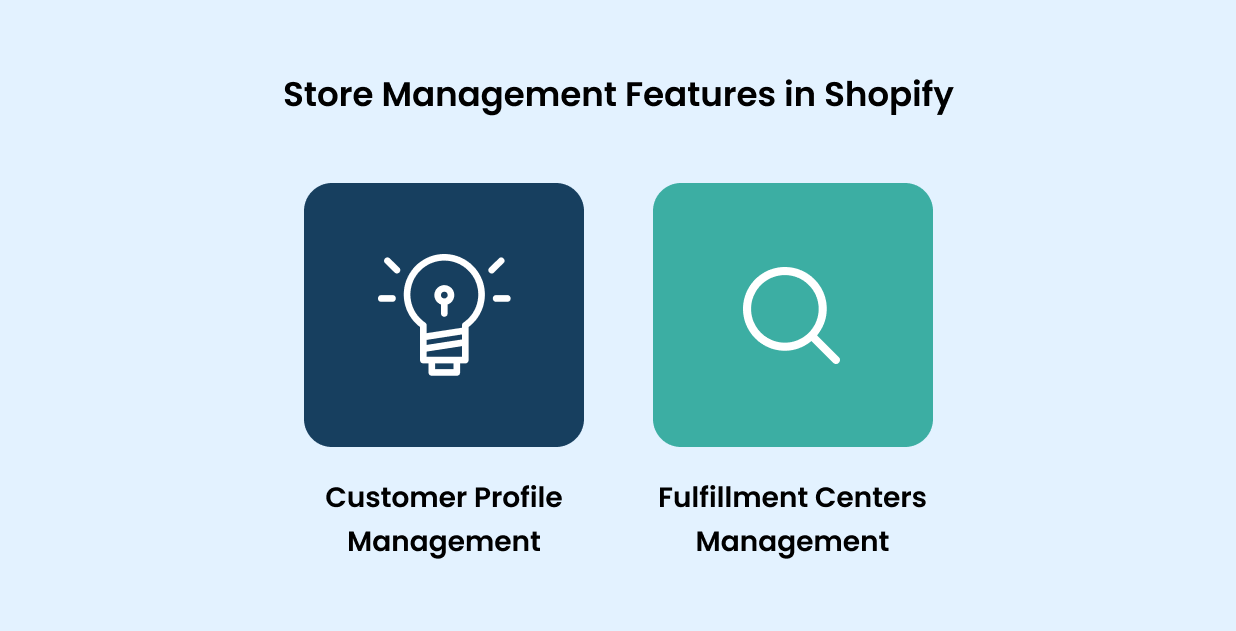
Customer Profile Management
To purchase from a Shopify store, customers need to create a profile. It allows sellers to stay in touch with the customers by sharing promotional offers and notifications of newly launched/coming-soon products.
Fulfillment Centers Management
Shopify manages the fulfillment of your orders, which involves storing, packaging, and shipping by partnering with fulfillment service providers such as Amazon.
To deliver a better customer experience, this eCommerce platform takes care of returns and refunds of your products. In such scenarios, Shopify also automatically facilitates real-time updates about changes in inventory and finance.
15. Inventory Management
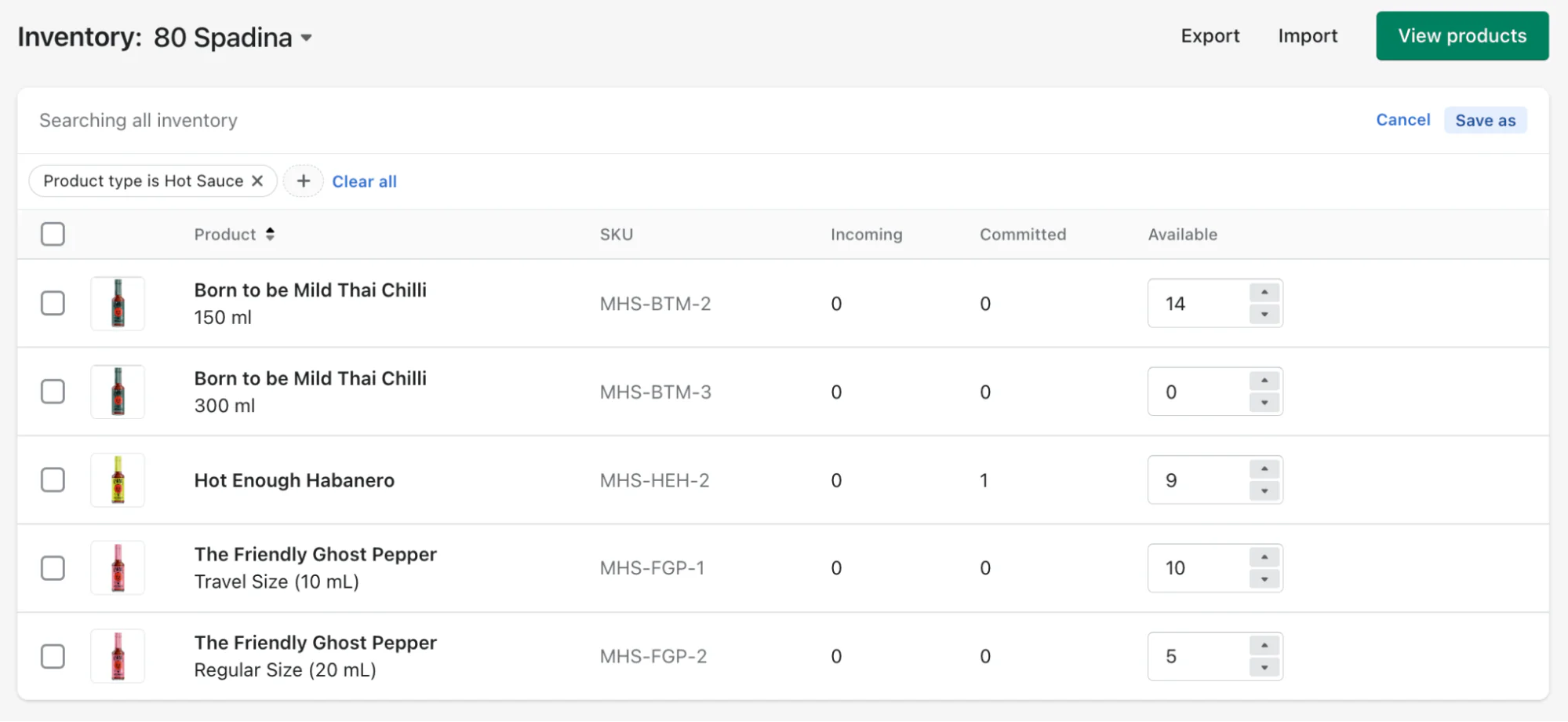
Automatic inventory updates are essential to running your store smoothly. There should be real-time updates regarding the stock level when you sell, receive, exchange, and return the products. Shopify provides inventory automation that saves time and eliminates unwanted errors.
16. Point of Sale (POS)
Shopify’s POS is highly popular amongst small businesses as it helps them run their business effectively.
By integrating the Shopify POS system with your Shopify store, you can perform multiple operations including:
- Accepting Payments for In-Store Products
- Manage Your Store From the Shopify Dashboard in a Hassle-Free Way
- Adding Inventory
- Manage Multiple Locations and Employees Effectively
- Track Sales in Real-Time
- Generate Reports to Track the Store’s Performance
Providing you with advanced capabilities, Shopify POS works as a centralized repository for your essential business aspects.
The POS system is available on iOS and Android devices. Implement it, and you’ll be ready to run your retail operations. Shopify’s payment devices ensure smooth transactions in your physical stores.
Ready to Migrate WooCommerce Stores to Shopify?
Now that you know the perks of choosing Shopify, you may be willing to explore the platform’s different aspects with the help of a certified Shopify partner.
ioVista, a leading Shopify development agency, builds tailored eCommerce solutions that meet all your business needs. We have a team of experts who excel in Shopify store development and Shopify support services.
We have been working with the Shopify platform since 2009 and have successfully implemented and migrated eCommerce solutions for various businesses. To migrate WooCommerce stores to Shopify, we will understand your requirements, create a migration roadmap, and ensure successful re-platforming.
Let’s work together to build an amazing eCommerce store that helps you attain immense business growth and operational excellence by empowering your sales cycle.
Frequently Asked Questions
Why Migrate WooCommerce Stores to Shopify?
The process of migrating a WooCommerce website to Shopify can be complex. However, with an experienced Shopify development agency, you will build a reliable, user-friendly, and performance-optimized store that increases sales and improves the user experience.
Is it Better to Use WooCommerce or Shopify?
The platforms are different from each other. You need to make a choice based on your requirements. WooCommerce offers flexibility and customization. However, it is expensive to attain extreme customization and difficult to ensure effective and secure management of hosting infrastructure. Many businesses prefer Shopify due to its automatic scaling, security, cost-effectiveness, and managed infrastructure.
Is Shopify More SEO Friendly than WooCommerce?
Shopify is the best choice is you are looking for a user-friendly and simple eCommerce platform. It comes with built-in SEO features and advanced digital marketing capabilities. If you are comfortable with WordPress, then you can go with WooCommerce. It provides full control over SEO aspects and allows you to manage technical aspects of your store by investing a bit more.
Mike Patel

Mike Patel is the Founder and CEO of ioVista, a leading digital commerce agency specializing in eCommerce solutions. With a strong background in business and technology, Mike Patel has been at the forefront of driving digital transformations for businesses. He has successfully navigated the ever-changing landscape of eCommerce, helping companies leverage the power of online platforms to grow their brand, increase revenues, and optimize their digital presence. Under his leadership, ioVista has become a trusted partner with major technology companies: Adobe/Magento, Google, BigCommerce, Shopify, and Yahoo. He is dedicated to staying ahead of industry trends, adopting cutting-edge technologies, and continuously improving strategies to provide clients with a competitive edge. Mike’s commitment to excellence and client satisfaction is evident in every project ioVista undertakes.
Popular Posts
-
 B2B, E-Commerce, Migration, Web Development
Adobe Commerce Security Update APSB25-50: Key Highlights
Mike Patel
11 Jun 2025 -
 B2B, E-Commerce, Migration, Web Development
B2B Excellence Starts with Adobe Commerce (Magento) - Not WooCommerce
Mike Patel
03 Jun 2025 -
 B2B, E-Commerce, Migration, Web Development
AI and ML in B2B: A Vision for the Future of Commerce by 2025
Mike Patel
27 May 2025 -
 B2B, E-Commerce, Migration, Web Development
20 Next-Gen B2B eCommerce Features that will Dominate in 2025
Mike Patel
20 May 2025 -
 B2B, E-Commerce, Migration, Web Development
WooCommerce to BigCommerce Migration Fuels Your B2B eCommerce Growth
Mike Patel
06 May 2025 -
 B2B, E-Commerce, Migration, Web Development
Adobe Commerce SaaS: How Will It Empower Your eCommerce Business?
Mike Patel
22 Apr 2025 -
 B2B, E-Commerce, Migration, Web Development
Leverage ERP Integration to Scale Your B2B eCommerce Business in 2025
Mike Patel
15 Apr 2025 -
 B2B, E-Commerce, Migration, Web Development
Adobe Commerce Security Update APSB25-26: All You Need to Know
Mike Patel
10 Apr 2025 -
 B2B, E-Commerce, Migration, Web Development
Adobe Commerce 2.4.8 Release: Key Highlights
Mike Patel
10 Apr 2025 -
 B2B, E-Commerce, Migration, Web Development
Why Scaling Business Should Migrate WooCommerce Stores to Shopify
Mike Patel
08 Apr 2025 -
 B2B, E-Commerce, Migration, Web Development
Why Does Adobe Commerce (Magento) Lead the Way of B2B eCommerce
Mike Patel
18 Mar 2025 -
 B2B, E-Commerce, Migration, Web Development
10 Key Drivers of Digital Transformation in B2B eCommerce for 2025
Mike Patel
04 Mar 2025 -
 B2B, E-Commerce, Migration, Web Development
5 Leading eCommerce Platforms to Build Scalable B2B Customer Portals
Mike Patel
25 Feb 2025 -
 B2B, E-Commerce, Migration, Web Development
Google Search Ranking Volatility: All You Need to Know
Mike Patel
18 Feb 2025 -
 B2B, E-Commerce, Migration, Web Development
Adobe Commerce Security Update APSB25-08: All You Need to Know
Mike Patel
13 Feb 2025 -
 B2B, E-Commerce, Migration, Web Development
7 Strategic Benefits of an Online B2B Customer Portal
Mike Patel
11 Feb 2025 -
 B2B, E-Commerce, Migration, Web Development
What Makes a Great Online B2B Customer Portal? Top 10 Features to Know
Mike Patel
04 Feb 2025 -
 B2B, E-Commerce, Migration, Web Development
Legacy B2B eCommerce Systems Slowing You Down? It's Time for Modernization
Mike Patel
28 Jan 2025 -
 B2B, E-Commerce, Migration, Web Development
Essential B2B Commerce Features for 2024
Mike Patel
20 Nov 2024 -
 B2B, E-Commerce, Migration, Web Development
Security Update Available for Adobe Commerce | APSB24-90
Mike Patel
20 Nov 2024 -
 B2B, E-Commerce, Migration, Web Development
Why Choose Hyvä Enterprise for Your Adobe Commerce Store?
Mike Patel
19 Nov 2024 -
 B2B, E-Commerce, Migration, Web Development
Security Update APSB24-73 for Adobe Commerce: Everything You Need to Know
Mike Patel
14 Oct 2024 -
 B2B, E-Commerce, Migration, Web Development
CosmicSting Exploit Still Poses a Threat
Mike Patel
25 Jul 2024 -
 B2B, E-Commerce, Migration, Web Development
CosmicSting: Unauthorized XXE Vulnerability
Mike Patel
17 Jul 2024 -
 B2B, E-Commerce, Migration, Web Development
Hyvä Theme for Magento 2: Uncover Powerful Features – Evaluate Pros and Cons
Mike Patel
16 Jul 2024 -
 B2B, E-Commerce, Migration, Web Development
Magento 2.4.7: Explore the Newest Enhancements and Features
Mike Patel
30 Apr 2024 -
 B2B, E-Commerce, Migration, Web Development
Magento 2.4.6-p5: Enhancing Stability and Security
Mike Patel
22 Apr 2024 -
 B2B, E-Commerce, Migration, Web Development
Everything You Need To Know About eCommerce SEO in 2024
Mike Patel
16 Apr 2024 -
 B2B, E-Commerce, Migration, Web Development
The Impact of Site Speed on eCommerce SEO Performance
Mike Patel
14 Feb 2024 -
 B2B, E-Commerce, Migration, Web Development
ioVista Attains B2B Specialization on BigCommerce
Mike Patel
30 Oct 2023 -
 B2B, E-Commerce, Migration, Web Development
5 Ways to Boost eCommerce Sales in 2024
Mike Patel
21 Sep 2023 -
 B2B, E-Commerce, Migration, Web Development
It’s Official: ioVista Has Become a Recognized Adobe Specialized Partner
Mike Patel
05 Sep 2023 -
-
 B2B, E-Commerce, Migration, Web Development
Why Are You Still Using Yahoo Stores in 2023?
Mike Patel
05 Jul 2023 -
 B2B, E-Commerce, Migration, Web Development
ioVista Announced as a 2023 Local Excellence Award Winner by UpCity
Mike Patel
09 May 2023 -
 B2B, E-Commerce, Migration, Web Development
Google Analytics 4: What You Need To Know
Mike Patel
29 Mar 2023 -
-
 B2B, E-Commerce, Migration, Web Development
Questions You Should Ask Your Magento Agency
Mike Patel
17 Feb 2023 -
 B2B, E-Commerce, Migration, Web Development
7 Proven Strategies to Increase B2B/Wholesale eCommerce Revenue
Mike Patel
01 Feb 2023 -
 B2B, E-Commerce, Migration, Web Development
10 eCommerce Trends to Increase your Sales in 2023
Mike Patel
12 Jan 2023 -
 B2B, E-Commerce, Migration, Web Development
B2B eCommerce Features Your Store Need in 2023
Mike Patel
05 Jan 2023 -
 B2B, E-Commerce, Migration, Web Development
Adobe/Magento Highlights 2022 - Is your store Up-to-Date
Mike Patel
20 Dec 2022 -
 B2B, E-Commerce, Migration, Web Development
BigCommerce Releases StagingPro for Enterprise Merchants and Agency Developers
Mike Patel
15 Dec 2022 -
 B2B, E-Commerce, Migration, Web Development
Adobe discontinues Support for the 2.4.0-2.4.3 Release Line
Mike Patel
09 Dec 2022 -
 B2B, E-Commerce, Migration, Web Development
BFCM Round-Up – Get Your Store Ready for Christmas 2022!
Mike Patel
07 Dec 2022 -
 B2B, E-Commerce, Migration, Web Development
Universal Analytics Going Away: What Does it Mean, What you need to Do?
Mike Patel
24 Nov 2022 -
 B2B, E-Commerce, Migration, Web Development
40% of Magento and Adobe Commerce Websites at Risk in November 2022
Mike Patel
17 Nov 2022 -
 B2B, E-Commerce, Migration, Web Development
ioVista Awarded the Best B2B Company 2022
Mike Patel
04 Nov 2022 -
 B2B, E-Commerce, Migration, Web Development
Adobe Releases Critical Security Patches for Magento 2.4.5 and 2.4.4
Mike Patel
27 Oct 2022 -
 B2B, E-Commerce, Migration, Web Development
Holiday Season Best Practices for eCommerce
Mike Patel
20 Oct 2022 -
 B2B, E-Commerce, Migration, Web Development
ioVista is Sponsoring the Largest eCommerce Event in Dallas
Mike Patel
07 Oct 2022 -
 B2B, E-Commerce, Migration, Web Development
Magento 2 Vulnerability: Surge in Hacking on Unpatched Stores
Mike Patel
27 Sep 2022 -
 B2B, E-Commerce, Migration, Web Development
Get your Holiday eCommerce Marketing Started with These 5 Tips
Mike Patel
15 Sep 2022 -
 B2B, E-Commerce, Migration, Web Development
Why a Magento Code Audit is Essential for your eCommerce Store
Mike Patel
10 Sep 2022 -
 B2B, E-Commerce, Migration, Web Development
Launching a Successful eCommerce Store
Mike Patel
30 Aug 2022 -
 B2B, E-Commerce, Migration, Web Development
Choosing the Right eCommerce Platform for B2B
Mike Patel
25 Aug 2022 -
 B2B, E-Commerce, Migration, Web Development
The Challenges of eCommerce in Manufacturing and how to Overcome them
Mike Patel
17 Aug 2022 -
 B2B, E-Commerce, Migration, Web Development
Adobe Releases Magento Open Source and Adobe Commerce 2.4.5
Mike Patel
10 Aug 2022 -
 B2B, E-Commerce, Migration, Web Development
How Manufacturers can Switch to eCommerce
Mike Patel
02 Aug 2022 -
 B2B, E-Commerce, Migration, Web Development
Benefits of eCommerce for Manufacturing
Mike Patel
25 Jul 2022 -
 B2B, E-Commerce, Migration, Web Development
Magento 2.3.x End-of-Life in September 2022
Mike Patel
19 Jul 2022 -
 B2B, E-Commerce, Migration, Web Development
The Growth of eCommerce and its impact on the Manufacturing Industry
Mike Patel
01 Jul 2022 -
 B2B, E-Commerce, Migration, Web Development
The Future of Manufacturing Business is Digital
Mike Patel
24 Jun 2022 -
 B2B, E-Commerce, Migration, Web Development
Magento Open Source Vs Commerce Vs Cloud: How to Pick your Edition
Mike Patel
14 Jun 2022 -
 B2B, E-Commerce, Migration, Web Development
Is your Store Optimized? How do you Measure eCommerce Conversion Rates?
Mike Patel
11 May 2022 -
 B2B, E-Commerce, Migration, Web Development
ioVista Recognized for B2B Services: Excellence Award Winner 2022
Mike Patel
03 May 2022 -
 B2B, E-Commerce, Migration, Web Development
How to Optimize Your eCommerce Store for Conversions
Mike Patel
29 Apr 2022 -
 B2B, E-Commerce, Migration, Web Development
BigCommerce Strengthens Its Hold in B2B eCommerce Landscape: Acquires Bundle B2B
Mike Patel
27 Apr 2022 -
 B2B, E-Commerce, Migration, Web Development
Future Proof your Digital Commerce with Headless Commerce
Mike Patel
21 Apr 2022 -
 B2B, E-Commerce, Migration, Web Development
Adobe Commerce 2.4.4 Release: Faster, Better, More Scalable
Mike Patel
13 Apr 2022 -
 B2B, E-Commerce, Migration, Web Development
Adobe Commerce and Magento 1 Sites at Risk: Magento Vulnerabilities Exploited
Mike Patel
29 Mar 2022 -
 B2B, E-Commerce, Migration, Web Development
Is Your Business Ready for Digital Transformation? The Key Steps!
Mike Patel
01 Mar 2022 -

-
 B2B, E-Commerce, Migration, Web Development
February 2022, over 500 Legacy Magento 1 Websites Hacked!
Mike Patel
15 Feb 2022 -
 B2B, E-Commerce, Migration, Web Development
Progressive Web App: A well-established Approach to Architecting a Modern Website
Mike Patel
11 Feb 2022 -
 B2B, E-Commerce, Migration, Web Development
Adobe released a new End of Support Date for Magento 2.3.x
Mike Patel
04 Feb 2022 -
 B2B, E-Commerce, Migration, Web Development
The How & Why: Successful Data-Driven Marketing for eCommerce Stores
Mike Patel
13 Jan 2022 -
 B2B, E-Commerce, Migration, Web Development
How to Find Right Audience for your Online Business
Mike Patel
10 Jan 2022 -
 B2B, E-Commerce, Migration, Web Development
5 Key Reasons to Enable Social Commerce Channels for your Store
Mike Patel
17 Dec 2021 -
 B2B, E-Commerce, Migration, Web Development
ioVista is honored to be one of the Top 1000 Companies 2021
Mike Patel
13 Dec 2021 -
 B2B, E-Commerce, Migration, Web Development
Are Your FB, Instagram, Pinterest Accounts Geared for Social Shopping?
Mike Patel
30 Nov 2021 -
 B2B, E-Commerce, Migration, Web Development
Five BFCM Strategies Merchants Love To Implement For Holidays
Mike Patel
26 Oct 2021 -
 B2B, E-Commerce, Migration, Web Development
How to Meet Holiday Shoppers’ Needs With an Omnichannel Approach
Mike Patel
20 Oct 2021 -
 B2B, E-Commerce, Migration, Web Development
Support for Magento Commerce 2.3 and Magento Open Source 2.3 Ends
Mike Patel
05 Oct 2021 -
 B2B, E-Commerce, Migration, Web Development
Why your Business Needs Marketing Automation this Holiday Season
Mike Patel
30 Sep 2021 -
 B2B, E-Commerce, Migration, Web Development
How Augmented Reality can Deliver more Engaging Shopping Experiences
Mike Patel
21 Sep 2021 -
 B2B, E-Commerce, Migration, Web Development
These 5 Local Business Marketing Strategies Will Transform Your Business
Mike Patel
17 Sep 2021 -
 B2B, E-Commerce, Migration, Web Development
How eCommerce can be the Game Changer for Warehouses
Mike Patel
08 Sep 2021 -
 B2B, E-Commerce, Migration, Web Development
Magento 2.4.3 has arrived! Everything you Need to Know
Mike Patel
11 Aug 2021 -
 B2B, E-Commerce, Migration, Web Development
ioVista named 2021 Top B2B Company in Dallas and Texas
Mike Patel
05 Aug 2021 -
 B2B, E-Commerce, Migration, Web Development
Why Every Business Should Be on eCommerce
Mike Patel
29 Jul 2021







Let’s work together to create outstanding digital experiences.
With 20+ years of industry experience, ioVista understands your eCommerce needs and delivers best-in-class solutions that help you gain a competitive edge.
or Call us at: +1 214-699-4391

TOP
Get in Touch