


Tips for eCommerce Social Media Marketing in 2015
23 Jan 2015
 Mike Patel

Social media marketing is only expected to grow in 2015 yet many online retailers still aren’t sure what’s in it for them or how to use it effectively. If you’ve dabbled in social media in the past, or you haven’t paid much attention to your social channels lately, this article aims to show you some ways social media can help your business in 2015.
Social networks help build your brand loyalty
Not only do social networks help increase your exposure, but you get to connect directly with your customers.
It’s important to note that social networks are most effective at enhancing the shopping experience as opposed to leading to direct sales. While social posts can lead to sales, the best way to approach social sites is to think of them as more of a way to build relationships and loyalty with your customers.
You can do this by sharing interesting stories, company news, photos and videos with your followers. This gives followers a chance to get to know your business better and even interact with you. Because of this interaction, social networks are also a great place to do some research.
Social networks can help you conduct consumer research
With social networking, you have the ability to ask your followers anything you want directly. You can ask about products or services you offer or see what your customers wished you carried. You can even post polls. Social networks give you direct access to the people who choose to connect with you and do business with you. They allow you a great opportunity to get to know your customers much better.
You can also use social networks to move followers to your email marketing
You can definitely use social networks as a place to share sales news and promotional information but it’s not usually as aggressive as email marketing. So why not use your social channels to ask your followers to sing up for your email lists as well? You can offer a special coupon or offer and strengthen your link with that customer beyond your social network.
So, which social media channel makes sense for you?
Picking the right social media channel(s) for your business is key. Most businesses don’t need to join every network out there. First of all, there’s simply too many to realistically keep track of them all without devoting a ton of time to it. Secondly, they all won’t make sense for your business. Different social media networks provide different benefits – ranging from access to different audiences to different formats for your posts. Since social media is social — the most important thing to consider is the audience. Which network does your core audience use? Which network does your target audience use? If you’re not sure, you could find out by asking your customers directly — whether that’s surveying them in your store, online after a purchase or through an email blast. That said, below are the basics of each network and why you may consider using them for your business.
Facebook and Twitter
Facebook and Twitter will still be the main players in 2015 and you should definitely consider adding them to your mix if you haven’t already if for no other reason than they have the most users. Men, women, teens – people of all ages use both of these networks regularly. Also, you can easily sync posts to show up on both networks simultaneously. So if you have one, it’s very easy to add the other.
LinkedIn is geared towards professional advice and other work-related content. Right now, it only makes sense for B2B companies.
Google+
Google+ can seem a lot less popular than other sites but it does actually have a lot of users and it can also give your SEO a boost with regular activity.
Instagram can be an easy add-on to Twitter and Facebook, if it makes sense for you. It’s an image-based network where users upload and share photos with their subscribers. This network can work for all kinds of businesses, as long as you have the ability to share regular photos. Photos could be of your products or your stores. A lot of businesses also use Instagram to give customers a behind-the-scenes look at their business. You could show images of your products being assembled or your employees working on special projects. You can be creative. The key, as with any network you chose, will be to post regularly and also post content that is interesting or useful to your audience.
Like Instagram, Pinterest is also image-based and makes the most sense for businesses with a lot of photos or images to share. But it also is most popular with women, so if women are your target audience and you have plenty of images to share of your products, this might be a good place for you.
YouTube, Vine, Vimeo
These networks are all video-based so they’re perfect for businesses that want to show their products in action or want to share tutorials for how to use their products.
While you probably won’t use every social network, if you decide to use multiple networks, take advantage of any syncing options. Twitter, Facebook and Instagram can all be synced – so if you post to one, the others will share your post as well. This saves time and makes sharing information across your channels much easier. Another option is to use something like Hootsuite which allows you to monitor and post to multiple networks simultaneously.
No matter what you decide to do, remember to post regularly, post what your audience wants to see and don’t quit. It takes time to build a following, often longer than you think. But the best way to grow your networks is to show followers that you update your pages regularly and that you share news or promotions they find interesting or beneficial.
Mike Patel

Mike Patel is the Founder and CEO of ioVista, a leading digital commerce agency specializing in eCommerce solutions. With a strong background in business and technology, Mike Patel has been at the forefront of driving digital transformations for businesses. He has successfully navigated the ever-changing landscape of eCommerce, helping companies leverage the power of online platforms to grow their brand, increase revenues, and optimize their digital presence. Under his leadership, ioVista has become a trusted partner with major technology companies: Adobe/Magento, Google, BigCommerce, Shopify, and Yahoo. He is dedicated to staying ahead of industry trends, adopting cutting-edge technologies, and continuously improving strategies to provide clients with a competitive edge. Mike’s commitment to excellence and client satisfaction is evident in every project ioVista undertakes.
Popular Posts
-

-
 Digital Marketing
B2B Excellence Starts with Adobe Commerce (Magento) - Not WooCommerce
Mike Patel
03 Jun 2025 -
 Digital Marketing
AI and ML in B2B: A Vision for the Future of Commerce by 2025
Mike Patel
27 May 2025 -
 Digital Marketing
20 Next-Gen B2B eCommerce Features that will Dominate in 2025
Mike Patel
20 May 2025 -
 Digital Marketing
WooCommerce to BigCommerce Migration Fuels Your B2B eCommerce Growth
Mike Patel
06 May 2025 -
 Digital Marketing
Adobe Commerce SaaS: How Will It Empower Your eCommerce Business?
Mike Patel
22 Apr 2025 -
 Digital Marketing
Leverage ERP Integration to Scale Your B2B eCommerce Business in 2025
Mike Patel
15 Apr 2025 -
 Digital Marketing
Adobe Commerce Security Update APSB25-26: All You Need to Know
Mike Patel
10 Apr 2025 -
-
 Digital Marketing
Why Scaling Business Should Migrate WooCommerce Stores to Shopify
Mike Patel
08 Apr 2025 -
 Digital Marketing
Why Does Adobe Commerce (Magento) Lead the Way of B2B eCommerce
Mike Patel
18 Mar 2025 -
 Digital Marketing
10 Key Drivers of Digital Transformation in B2B eCommerce for 2025
Mike Patel
04 Mar 2025 -
 Digital Marketing
5 Leading eCommerce Platforms to Build Scalable B2B Customer Portals
Mike Patel
25 Feb 2025 -

-
 Digital Marketing
Adobe Commerce Security Update APSB25-08: All You Need to Know
Mike Patel
13 Feb 2025 -
-
 Digital Marketing
What Makes a Great Online B2B Customer Portal? Top 10 Features to Know
Mike Patel
04 Feb 2025 -
 Digital Marketing
Legacy B2B eCommerce Systems Slowing You Down? It's Time for Modernization
Mike Patel
28 Jan 2025 -
-
-
-
 Digital Marketing
Security Update APSB24-73 for Adobe Commerce: Everything You Need to Know
Mike Patel
14 Oct 2024 -
-

-
 Digital Marketing
Hyvä Theme for Magento 2: Uncover Powerful Features – Evaluate Pros and Cons
Mike Patel
16 Jul 2024 -
 Digital Marketing
Magento 2.4.7: Explore the Newest Enhancements and Features
Mike Patel
30 Apr 2024 -

-
-

-
-
-
 Digital Marketing
It’s Official: ioVista Has Become a Recognized Adobe Specialized Partner
Mike Patel
05 Sep 2023 -
-
-
 Digital Marketing
ioVista Announced as a 2023 Local Excellence Award Winner by UpCity
Mike Patel
09 May 2023 -

-
-

-
 Digital Marketing
7 Proven Strategies to Increase B2B/Wholesale eCommerce Revenue
Mike Patel
01 Feb 2023 -

-
-

-
 Digital Marketing
BigCommerce Releases StagingPro for Enterprise Merchants and Agency Developers
Mike Patel
15 Dec 2022 -
 Digital Marketing
Adobe discontinues Support for the 2.4.0-2.4.3 Release Line
Mike Patel
09 Dec 2022 -
-
 Digital Marketing
Universal Analytics Going Away: What Does it Mean, What you need to Do?
Mike Patel
24 Nov 2022 -
 Digital Marketing
40% of Magento and Adobe Commerce Websites at Risk in November 2022
Mike Patel
17 Nov 2022 -
-
 Digital Marketing
Adobe Releases Critical Security Patches for Magento 2.4.5 and 2.4.4
Mike Patel
27 Oct 2022 -

-
 Digital Marketing
ioVista is Sponsoring the Largest eCommerce Event in Dallas
Mike Patel
07 Oct 2022 -
 Digital Marketing
Magento 2 Vulnerability: Surge in Hacking on Unpatched Stores
Mike Patel
27 Sep 2022 -
 Digital Marketing
Get your Holiday eCommerce Marketing Started with These 5 Tips
Mike Patel
15 Sep 2022 -
 Digital Marketing
Why a Magento Code Audit is Essential for your eCommerce Store
Mike Patel
10 Sep 2022 -
-

-
 Digital Marketing
The Challenges of eCommerce in Manufacturing and how to Overcome them
Mike Patel
17 Aug 2022 -
 Digital Marketing
Adobe Releases Magento Open Source and Adobe Commerce 2.4.5
Mike Patel
10 Aug 2022 -
-
-

-
 Digital Marketing
The Growth of eCommerce and its impact on the Manufacturing Industry
Mike Patel
01 Jul 2022 -

-
 Digital Marketing
Magento Open Source Vs Commerce Vs Cloud: How to Pick your Edition
Mike Patel
14 Jun 2022 -
 Digital Marketing
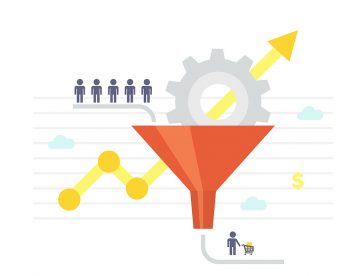
Is your Store Optimized? How do you Measure eCommerce Conversion Rates?
Mike Patel
11 May 2022 -
 Digital Marketing
ioVista Recognized for B2B Services: Excellence Award Winner 2022
Mike Patel
03 May 2022 -

-

-
 Digital Marketing
Adobe Commerce 2.4.4 Release: Faster, Better, More Scalable
Mike Patel
13 Apr 2022 -
 Digital Marketing
Adobe Commerce and Magento 1 Sites at Risk: Magento Vulnerabilities Exploited
Mike Patel
29 Mar 2022 -
 Digital Marketing
Is Your Business Ready for Digital Transformation? The Key Steps!
Mike Patel
01 Mar 2022 -

-

-
-
 Digital Marketing
The How & Why: Successful Data-Driven Marketing for eCommerce Stores
Mike Patel
13 Jan 2022 -

-
 Digital Marketing
5 Key Reasons to Enable Social Commerce Channels for your Store
Mike Patel
17 Dec 2021 -
 Digital Marketing
ioVista is honored to be one of the Top 1000 Companies 2021
Mike Patel
13 Dec 2021 -
 Digital Marketing
Are Your FB, Instagram, Pinterest Accounts Geared for Social Shopping?
Mike Patel
30 Nov 2021 -
 Digital Marketing
Five BFCM Strategies Merchants Love To Implement For Holidays
Mike Patel
26 Oct 2021 -
 Digital Marketing
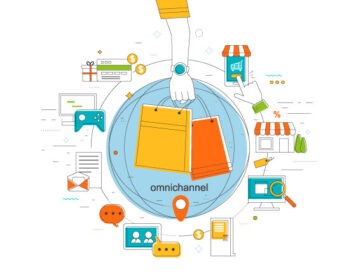
How to Meet Holiday Shoppers’ Needs With an Omnichannel Approach
Mike Patel
20 Oct 2021 -
 Digital Marketing
Support for Magento Commerce 2.3 and Magento Open Source 2.3 Ends
Mike Patel
05 Oct 2021 -
 Digital Marketing
Why your Business Needs Marketing Automation this Holiday Season
Mike Patel
30 Sep 2021 -
 Digital Marketing
How Augmented Reality can Deliver more Engaging Shopping Experiences
Mike Patel
21 Sep 2021 -
 Digital Marketing
These 5 Local Business Marketing Strategies Will Transform Your Business
Mike Patel
17 Sep 2021 -

-
-

-



Let’s work together to create outstanding digital experiences.
With 20+ years of industry experience, ioVista understands your eCommerce needs and delivers best-in-class solutions that help you gain a competitive edge.
or Call us at: +1 214-699-4391

TOP
Get in Touch