


Social Distancing Due To COVID-19 Is Boosting E-commerce
24 Mar 2020
 Mike Patel
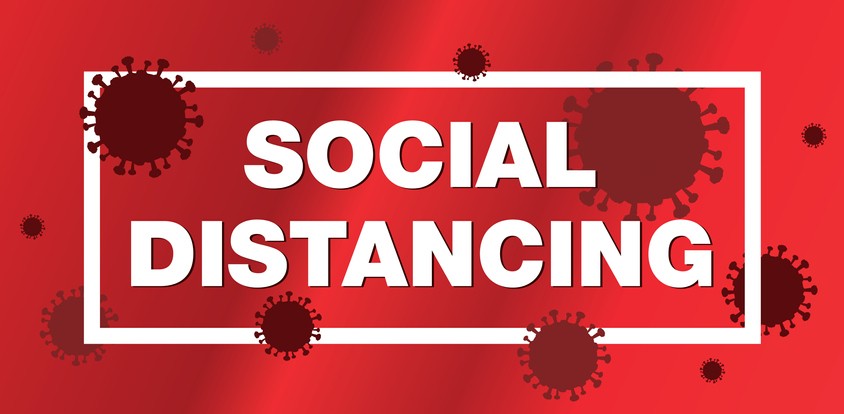
Coronavirus disease (COVID-19) is making a huge impact, isolation and social distancing measures have already been put in place across the USA. This is all a new territory for the entire world being affected by the pandemic COVID -19.
The pressure is on E-commerce with customers opting for online purchases as they avoid public places. More than 85.6% of the respondents (age 60+) in a survey by Coresight Research said they were likely to avoid grocery shopping in person at malls and other brick and mortar stores
This had a direct impact on the adoption of online shopping. E-commerce activity, particularly for health and grocery, is increasing. But maintaining a smooth chain of supply is proving to be a challenge to digital retailers in this state of the epidemic. And, the combination of supply as well as demand shock due to COVID-19 means the situation is going to be more complex and faster-moving than ever before.
The surge in demand has impacted the logistics as well as the supply chain in the short-term.
The E-commerce experts at ioVista have come up with some ways to overcome the effect of Coronavirus on e-commerce:
-
Make Sure Your Website Is Ready For A Traffic Influx
Be ready to get a massive influx of traffic to your website for people who are eager to buy the products available in your store. Your website may see a pretty steady flow of traffic regularly, but during this time, you need to prepare for an uptick.
Test your server’s load capacity so that you can be sure that your website can sustain a big wave of traffic.
-
Have A Backup Plan
What kind of contingency plans do you have in place should the worst happen? Making sure that your website can sustain the traffic is one thing, but do you know if you are going to have enough in your supply or inventory to meet a huge increase in customer demand?
-
Alter Your Advertising Budget As Per The Shopping Behavior
Monitor the shopping behavior of the new visitors to your website. As people are spending a lot of time online, advertise in ways that capture their attention on social media or video networks.
-
Make Sure You’re Mobile Optimized
This should go without saying, but the majority of your customers start most of their searches and do the majority of their shopping from their mobile device. Test your website to make sure that it is optimized and loads quickly on mobile devices.
-
Set Shipping Expectation
Let your customers know that due to increased demand and supply chain issues, the shipping and processing times may take a little longer.
-
Offer a Generous Return Policy
Don’t let your return policy be the only thing holding your customers back from buying your product. Offer them a generous return policy so they have the comfort they need to buy at that very moment.
Being an E-commerce store owner, you need to be prepared not only for supply chain challenges but also for the latest coronavirus news driving the consumer behavior.
Mike Patel

Mike Patel is the Founder and CEO of ioVista, a leading digital commerce agency specializing in eCommerce solutions. With a strong background in business and technology, Mike Patel has been at the forefront of driving digital transformations for businesses. He has successfully navigated the ever-changing landscape of eCommerce, helping companies leverage the power of online platforms to grow their brand, increase revenues, and optimize their digital presence. Under his leadership, ioVista has become a trusted partner with major technology companies: Adobe/Magento, Google, BigCommerce, Shopify, and Yahoo. He is dedicated to staying ahead of industry trends, adopting cutting-edge technologies, and continuously improving strategies to provide clients with a competitive edge. Mike’s commitment to excellence and client satisfaction is evident in every project ioVista undertakes.
Popular Posts
-

-
-

-

-
-

-
-
-
-
-
-
-
-

-
-
-
-
 News
NewsLegacy B2B eCommerce Systems Slowing You Down? It's Time for Modernization
Mike Patel
28 Jan 2025 -
-
-

-
 News
NewsSecurity Update APSB24-73 for Adobe Commerce: Everything You Need to Know
Mike Patel
14 Oct 2024 -
-

-
 News
NewsHyvä Theme for Magento 2: Uncover Powerful Features – Evaluate Pros and Cons
Mike Patel
16 Jul 2024 -
-

-
-

-

-
-
 News
NewsIt’s Official: ioVista Has Become a Recognized Adobe Specialized Partner
Mike Patel
05 Sep 2023 -
-

-

-

-
-
-

-

-
-

-
 News
NewsBigCommerce Releases StagingPro for Enterprise Merchants and Agency Developers
Mike Patel
15 Dec 2022 -

-
-
-

-
 News
NewsWebsite Support: How Can ioVista Help keep your Store Up and Running During Holidays
Mike Patel
17 Nov 2022 -

-

-

-
-
-

-

-
-

-
 News
NewsHow BigCommerce makes it easy for Legacy Businesses to get started with B2B eCommerce
Mike Patel
23 Aug 2022 -
-
-
-
-
-

-

-
-
-

-

-
 News
NewsBigCommerce Strengthens Its Hold in B2B eCommerce Landscape: Acquires Bundle B2B
Mike Patel
27 Apr 2022 -

-
-
 News
NewsBigCommerce Releases Multi-Storefront: Multiple Brand Management within a Single Store
Mike Patel
01 Apr 2022 -
 News
NewsAdobe Commerce and Magento 1 Sites at Risk: Magento Vulnerabilities Exploited
Mike Patel
29 Mar 2022 -

-
 News
NewsioVista named as Dallas’ most Recommended and Reviewed Digital Strategy Companies 2022
Mike Patel
24 Feb 2022 -

-

-
 News
NewsProgressive Web App: A well-established Approach to Architecting a Modern Website
Mike Patel
11 Feb 2022 -

-
 News
NewsHow to Improve Internal Site Search for Better Mobile Conversions: 7 Proven Strategies
Mike Patel
27 Jan 2022 -

-

-

-

-

-

-

-

-
-

-
 News
NewsThese 5 Local Business Marketing Strategies Will Transform Your Business
Mike Patel
17 Sep 2021 -
-
-

-

Let’s work together to create outstanding digital experiences.
With 20+ years of industry experience, ioVista understands your eCommerce needs and delivers best-in-class solutions that help you gain a competitive edge.
or Call us at: +1 214-699-4391

TOP
Get in Touch