


Progressive Web App: A well-established Approach to Architecting a Modern Website
11 Feb 2022
 Mike Patel
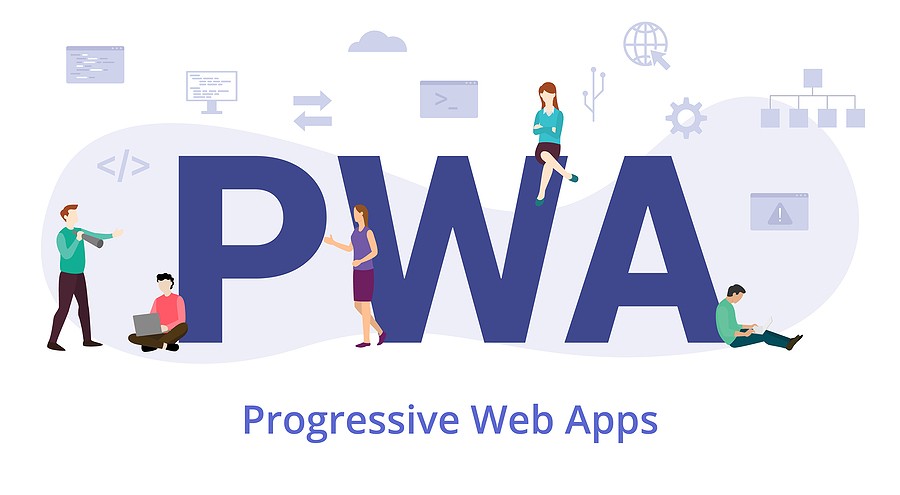
If you’re like a lot of business leaders, then you may not see the point of an app when you already have a website and social media presence. We understand the apprehension because you don’t want to add another thing that could clutter your reach.
Yet, 24 percent of online merchants are considering building a progressive web app to optimize their mobile traffic. Progressive Web Apps are a well-established approach to architecting a modern website. Why? Because they are built for speed, are easy to adapt, and are reliable and engaging.
Furthermore, they rank well in search engines and support push notifications just like native apps–making them an attractive proposition to developers everywhere. With the advent of service workers for offline support, PWAs also have a huge advantage over their native counterparts, thanks to their ability to work without an internet connection by default.
1. What are PWAs?
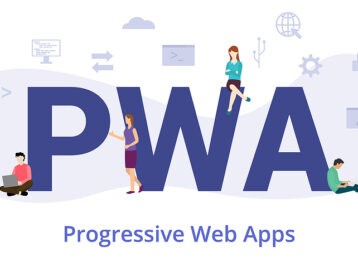
Progressive Web Apps, or PWAs for short, are a group of technologies used to build a website with an app-like presence on the user’s device. For example, they can even behave like native applications and load quickly, even without internet connectivity. They can also offer an immersive, full-screen experience by taking over the browser.
PWAs are here to stay. They’ve already found themselves a niche between native apps and older website experiences that aren’t updated or don’t work anymore on mobile devices.
2. How does a PWA work?
In a nutshell, Progressive Web Apps have some characteristics of native apps. They download from the network just like websites, but they run as a shell or container app–even if you close or move to another app.
Does it seem too good to be true? In some ways, yes. The first two times I heard about Progressive Web Apps, my reaction was somewhere along the lines of, “That’s great for mobile sites! But what about desktops?”
There isn’t a lot that a PWA can do on the desktop that a full-fledged native application couldn’t do better. However, there are cases where PWAs make sense on desktops and laptops. For example, a content-driven website without a ton of dynamic behavior or a site that you’d like to add some app-like functionality to.
3. The Benefits of PWAs
If you’ve built a website in the last few years, you’ve probably considered how to make it function well on both mobile and desktop devices. You might also have heard about progressive enhancement–the idea that your site should work entirely without JavaScript, and then add extra features when available. But progressive enhancement can be hard–what if one of your users views your site with a browser that doesn’t support progressive enhancement? Do you just hope they’ll upgrade? Give them an unoptimized experience?
Well, what if there was another way? What if we could build our sites so that we didn’t need to depend on JavaScript at all? It’s not as crazy as it sounds. This technique has been around for years and is known as PWAs.
- Better user experience
PWAs can deliver capabilities that replace native apps – sometimes better than the app – and let people access their content everywhere, including places where applications aren’t available.
- Engage more frequently
By bringing pieces of your app to users’ browsers, you can engage them more frequently with targeted content. And service workers make it possible to do so without relying on third parties or the burden of installing an application.
- Fast and reliable
PWAs load like any other website, but they feel like native apps. They can be added to your phone’s home screen and appear on your desktop taskbar–they’ll even work offline when the browser loses its network connection. Plus, once loaded, PWAs can run on your computer with very little memory usage.
- Progressive
A PWA is progressive in that it accommodates all users regardless of browser choice thanks to service workers that cache content from the network. In addition, when using Chrome on Android, PWAs can be installed directly from the web as if they were native apps.
- Engaging
Thanks to an application manifest file, these websites can have their interface with a name and a theme color—you’ve probably seen examples of this when you add a favorite website to your iPhone or Android home screen. The Twitter PWA, for example, takes full advantage of this feature.
4. Overcome Challenges on the Small Screen & Convert Rising Mobile Traffic
When you have an app for your business, you can guarantee a good experience for your mobile browsers that a website typically can’t. This is mainly due to the different phone experiences out there. It’s hard for a website to format itself to suit everyone.
But when you have an app, it’ll be able to adjust itself to the users and fit the devices’ needs.
That adjustment will draw in more mobile traffic than a website ever could. It will also keep them coming back for more of the same conveniently tailored experience.
5. Combine Traditional Website Functionalities With the Best Features of Mobile Apps
Don’t let our point get lost, websites are useful. They have a lot of advantages, that’s the whole reason people use them. However, when you develop a mobile app, you can take all of those advantages from websites and throw in a few features only available to apps.
One of those features is offline browsing. Even in today’s world, it’s fairly easy to lose service. Yet, just because someone doesn’t have it, that doesn’t mean they don’t want to look into the things that are important to them. The offline feature on a mobile app gives them the shot to do that.
6. Ensure Your Customers Come Back
In the mobile world, a bad experience will quickly deter anyone from using your business. Especially if your website is slow or unresponsive and the person can’t browse how they’d like to. But as we said, when you have a mobile experience that is easy and convenient to use, your customers will be happy to come back.
That’s because if they believe that they can at least count on your app, then counting on your business isn’t too much of a reach either.
7. How can developers implement PWAs?
Web developers can employ several techniques to improve the responsiveness and performance of their PWAs. Using tools like Lighthouse, they can audit existing websites for best practices that will carry over well into PWAs. They should also take advantage of application caching for PWA functionality, as this can allow their app to work offline.
Developers should also consider using service workers to effectively intercept and respond to network requests. Service worker code can be run in the background independently of page lifecycles, so it’s ideal for those cases where you want to modify response data before passing it back to the browser as part of a push notification or an error handling scenario.
One final technique developers should consider adding is user authentication with JSON Web Tokens. It will allow users to seamlessly log in and register for their account across different devices and browsers, which is critical to functionality if your PWA aims for native-like app status.
Get ahead of the competition and develop your app
As you can see, there are a lot of benefits that you can take advantage of with mobile apps. You and your business only stand to gain.
Mike Patel

Mike Patel is the Founder and CEO of ioVista, a leading digital commerce agency specializing in eCommerce solutions. With a strong background in business and technology, Mike Patel has been at the forefront of driving digital transformations for businesses. He has successfully navigated the ever-changing landscape of eCommerce, helping companies leverage the power of online platforms to grow their brand, increase revenues, and optimize their digital presence. Under his leadership, ioVista has become a trusted partner with major technology companies: Adobe/Magento, Google, BigCommerce, Shopify, and Yahoo. He is dedicated to staying ahead of industry trends, adopting cutting-edge technologies, and continuously improving strategies to provide clients with a competitive edge. Mike’s commitment to excellence and client satisfaction is evident in every project ioVista undertakes.
Popular Posts
-
 E-Commerce, Web Development
Adobe Commerce Security Update APSB25-50: Key Highlights
Mike Patel
11 Jun 2025 -
 E-Commerce, Web Development
B2B Excellence Starts with Adobe Commerce (Magento) - Not WooCommerce
Mike Patel
03 Jun 2025 -
 E-Commerce, Web Development
AI and ML in B2B: A Vision for the Future of Commerce by 2025
Mike Patel
27 May 2025 -
 E-Commerce, Web Development
20 Next-Gen B2B eCommerce Features that will Dominate in 2025
Mike Patel
20 May 2025 -
 E-Commerce, Web Development
WooCommerce to BigCommerce Migration Fuels Your B2B eCommerce Growth
Mike Patel
06 May 2025 -
 E-Commerce, Web Development
Adobe Commerce SaaS: How Will It Empower Your eCommerce Business?
Mike Patel
22 Apr 2025 -
 E-Commerce, Web Development
Leverage ERP Integration to Scale Your B2B eCommerce Business in 2025
Mike Patel
15 Apr 2025 -
 E-Commerce, Web Development
Adobe Commerce Security Update APSB25-26: All You Need to Know
Mike Patel
10 Apr 2025 -

-
 E-Commerce, Web Development
Why Scaling Business Should Migrate WooCommerce Stores to Shopify
Mike Patel
08 Apr 2025 -
 E-Commerce, Web Development
Why Does Adobe Commerce (Magento) Lead the Way of B2B eCommerce
Mike Patel
18 Mar 2025 -
 E-Commerce, Web Development
10 Key Drivers of Digital Transformation in B2B eCommerce for 2025
Mike Patel
04 Mar 2025 -
 E-Commerce, Web Development
5 Leading eCommerce Platforms to Build Scalable B2B Customer Portals
Mike Patel
25 Feb 2025 -
 E-Commerce, Web Development
Google Search Ranking Volatility: All You Need to Know
Mike Patel
18 Feb 2025 -
 E-Commerce, Web Development
Adobe Commerce Security Update APSB25-08: All You Need to Know
Mike Patel
13 Feb 2025 -
 E-Commerce, Web Development
7 Strategic Benefits of an Online B2B Customer Portal
Mike Patel
11 Feb 2025 -
 E-Commerce, Web Development
What Makes a Great Online B2B Customer Portal? Top 10 Features to Know
Mike Patel
04 Feb 2025 -
 E-Commerce, Web Development
Legacy B2B eCommerce Systems Slowing You Down? It's Time for Modernization
Mike Patel
28 Jan 2025 -
-
 E-Commerce, Web Development
Security Update Available for Adobe Commerce | APSB24-90
Mike Patel
20 Nov 2024 -
 E-Commerce, Web Development
Why Choose Hyvä Enterprise for Your Adobe Commerce Store?
Mike Patel
19 Nov 2024 -
 E-Commerce, Web Development
Security Update APSB24-73 for Adobe Commerce: Everything You Need to Know
Mike Patel
14 Oct 2024 -

-

-
 E-Commerce, Web Development
Hyvä Theme for Magento 2: Uncover Powerful Features – Evaluate Pros and Cons
Mike Patel
16 Jul 2024 -
 E-Commerce, Web Development
Magento 2.4.7: Explore the Newest Enhancements and Features
Mike Patel
30 Apr 2024 -
 E-Commerce, Web Development
Magento 2.4.6-p5: Enhancing Stability and Security
Mike Patel
22 Apr 2024 -
 E-Commerce, Web Development
Everything You Need To Know About eCommerce SEO in 2024
Mike Patel
16 Apr 2024 -
 E-Commerce, Web Development
The Impact of Site Speed on eCommerce SEO Performance
Mike Patel
14 Feb 2024 -
 E-Commerce, Web Development
ioVista Attains B2B Specialization on BigCommerce
Mike Patel
30 Oct 2023 -

-
 E-Commerce, Web Development
It’s Official: ioVista Has Become a Recognized Adobe Specialized Partner
Mike Patel
05 Sep 2023 -
-

-
 E-Commerce, Web Development
ioVista Announced as a 2023 Local Excellence Award Winner by UpCity
Mike Patel
09 May 2023 -

-
-

-
 E-Commerce, Web Development
7 Proven Strategies to Increase B2B/Wholesale eCommerce Revenue
Mike Patel
01 Feb 2023 -
 E-Commerce, Web Development
10 eCommerce Trends to Increase your Sales in 2023
Mike Patel
12 Jan 2023 -

-
 E-Commerce, Web Development
Adobe/Magento Highlights 2022 - Is your store Up-to-Date
Mike Patel
20 Dec 2022 -
 E-Commerce, Web Development
BigCommerce Releases StagingPro for Enterprise Merchants and Agency Developers
Mike Patel
15 Dec 2022 -
 E-Commerce, Web Development
Adobe discontinues Support for the 2.4.0-2.4.3 Release Line
Mike Patel
09 Dec 2022 -
 E-Commerce, Web Development
BFCM Round-Up – Get Your Store Ready for Christmas 2022!
Mike Patel
07 Dec 2022 -
 E-Commerce, Web Development
Universal Analytics Going Away: What Does it Mean, What you need to Do?
Mike Patel
24 Nov 2022 -
 E-Commerce, Web Development
40% of Magento and Adobe Commerce Websites at Risk in November 2022
Mike Patel
17 Nov 2022 -

-
 E-Commerce, Web Development
Adobe Releases Critical Security Patches for Magento 2.4.5 and 2.4.4
Mike Patel
27 Oct 2022 -

-
 E-Commerce, Web Development
ioVista is Sponsoring the Largest eCommerce Event in Dallas
Mike Patel
07 Oct 2022 -
 E-Commerce, Web Development
Magento 2 Vulnerability: Surge in Hacking on Unpatched Stores
Mike Patel
27 Sep 2022 -
 E-Commerce, Web Development
Get your Holiday eCommerce Marketing Started with These 5 Tips
Mike Patel
15 Sep 2022 -
 E-Commerce, Web Development
Why a Magento Code Audit is Essential for your eCommerce Store
Mike Patel
10 Sep 2022 -

-

-
 E-Commerce, Web Development
The Challenges of eCommerce in Manufacturing and how to Overcome them
Mike Patel
17 Aug 2022 -
 E-Commerce, Web Development
Adobe Releases Magento Open Source and Adobe Commerce 2.4.5
Mike Patel
10 Aug 2022 -
-

-

-
 E-Commerce, Web Development
The Growth of eCommerce and its impact on the Manufacturing Industry
Mike Patel
01 Jul 2022 -

-
 E-Commerce, Web Development
Magento Open Source Vs Commerce Vs Cloud: How to Pick your Edition
Mike Patel
14 Jun 2022 -
 E-Commerce, Web Development
Is your Store Optimized? How do you Measure eCommerce Conversion Rates?
Mike Patel
11 May 2022 -
 E-Commerce, Web Development
ioVista Recognized for B2B Services: Excellence Award Winner 2022
Mike Patel
03 May 2022 -
 E-Commerce, Web Development
How to Optimize Your eCommerce Store for Conversions
Mike Patel
29 Apr 2022 -
 E-Commerce, Web Development
Future Proof your Digital Commerce with Headless Commerce
Mike Patel
21 Apr 2022 -
 E-Commerce, Web Development
Adobe Commerce 2.4.4 Release: Faster, Better, More Scalable
Mike Patel
13 Apr 2022 -
 E-Commerce, Web Development
Adobe Commerce and Magento 1 Sites at Risk: Magento Vulnerabilities Exploited
Mike Patel
29 Mar 2022 -
 E-Commerce, Web Development
Is Your Business Ready for Digital Transformation? The Key Steps!
Mike Patel
01 Mar 2022 -

-
 E-Commerce, Web Development
February 2022, over 500 Legacy Magento 1 Websites Hacked!
Mike Patel
15 Feb 2022 -
 E-Commerce, Web Development
Adobe released a new End of Support Date for Magento 2.3.x
Mike Patel
04 Feb 2022 -
 E-Commerce, Web Development
The How & Why: Successful Data-Driven Marketing for eCommerce Stores
Mike Patel
13 Jan 2022 -
 E-Commerce, Web Development
How to Find Right Audience for your Online Business
Mike Patel
10 Jan 2022 -
 E-Commerce, Web Development
5 Key Reasons to Enable Social Commerce Channels for your Store
Mike Patel
17 Dec 2021 -
 E-Commerce, Web Development
ioVista is honored to be one of the Top 1000 Companies 2021
Mike Patel
13 Dec 2021 -
 E-Commerce, Web Development
Are Your FB, Instagram, Pinterest Accounts Geared for Social Shopping?
Mike Patel
30 Nov 2021 -
 E-Commerce, Web Development
Five BFCM Strategies Merchants Love To Implement For Holidays
Mike Patel
26 Oct 2021 -
 E-Commerce, Web Development
How to Meet Holiday Shoppers’ Needs With an Omnichannel Approach
Mike Patel
20 Oct 2021 -
 E-Commerce, Web Development
Support for Magento Commerce 2.3 and Magento Open Source 2.3 Ends
Mike Patel
05 Oct 2021 -
 E-Commerce, Web Development
Why your Business Needs Marketing Automation this Holiday Season
Mike Patel
30 Sep 2021 -
 E-Commerce, Web Development
How Augmented Reality can Deliver more Engaging Shopping Experiences
Mike Patel
21 Sep 2021 -
 E-Commerce, Web Development
These 5 Local Business Marketing Strategies Will Transform Your Business
Mike Patel
17 Sep 2021 -
 E-Commerce, Web Development
How eCommerce can be the Game Changer for Warehouses
Mike Patel
08 Sep 2021 -
 E-Commerce, Web Development
Magento 2.4.3 has arrived! Everything you Need to Know
Mike Patel
11 Aug 2021 -
 E-Commerce, Web Development
ioVista named 2021 Top B2B Company in Dallas and Texas
Mike Patel
05 Aug 2021 -









Let’s work together to create outstanding digital experiences.
With 20+ years of industry experience, ioVista understands your eCommerce needs and delivers best-in-class solutions that help you gain a competitive edge.
or Call us at: +1 214-699-4391

TOP
Get in Touch