


Magento 1 vs Magento 2 Performance Comparison
03 Sep 2019
 Mike Patel
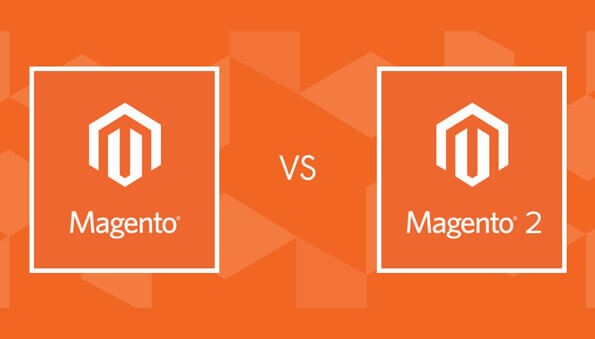
When’s the last time you waited more than two or three seconds for an e-commerce site to load? Current cart-to-conversion statistics reveal the sobering fact that for every second your page doesn’t load, you lose seven per cent of your conversions. In fact, subpar site performance correlates to the likelihood that 8 out of 10 consumers won’t return to your store and that 44 per cent of those with a less than stellar view of your site’s performance will forewarn friends to steer clear. Your e-commerce platform better is functional and perform to the exacting standards of today’s fast-paced market. According to the popular Magento, 250,000 e-commerce sites worldwide use either its community or enterprise editions of Magento 1.x or 2.x. It’s no secret that both have had past performance issues. But how do they compare today?
According to January 2018 BuiltWith stats, Magento’s Community Edition ranks fourth of all e-commerce platforms, while Magento Enterprise ranks eighth. The 1.x free, open-source Community Edition (CE) and the pricey Enterprise Edition (EE) remain viable, but will 1.x legacy users migrate to 2.x should 1.x reach its end of life? Support for 1.9 was officially supposed to end November 18, 2018. However, with so many e-commerce sites worldwide utilizing the platforms and extensions, the Magento company realized that migration to 2.x will take time and development for established 1.x legacy users to migrate without adversely affecting functionality and performance. According to a May 2017 statement by Magento Commerce, the company is committed “to a minimum 18-month notice before we make any changes to our support levels.”
**Important Note**
- Magento CE is now Magento Open Source
- Magento EE is now Magento Commerce
Features, Functionality and Performance Metrics
You’re not comparing apples to oranges when you’re comparing Magento 1 and 2. It’s more like visiting an auto show and finding that your favorite ride now has some exciting new upgrades and features that make it run more efficiently. Magento 1 established the framework. Magento 2 takes that framework and optimizes it to better align with current and future functional and performance needs of merchants worldwide.
Some key differences between Magento 1 (M1) and Magento 2 (M2) include:
- M1’s flexible architecture is updated for speed in M2.
- M1’s API was not cored as it is in M2.
- PayPal is external in M1 while it is part of M2’s streamlined checkout process.
- Fewer extensions are available for M2 than M1 which has over 7,500 in its marketplace.
- M2 supports HTML5, CSS3, PHP 7.1 Varnish 5, and MySQL 5.7.
- M1 video isn’t integrated as it is in M2.
- M1 doesn’t support cache out of the box while M2 does.
- M2’s admin panel is customizable.
- M2 allows social media connection.
Why are these differences important to Magento merchants and their developers? Because updating and migrating products and extensions can get tedious and expensive, especially when support is not guaranteed for 1.x. For some merchants, Magento 1 works for them and they’ll use it as long as they can. But as more merchants migrate to Magento 2, both open source and commerce platforms, these differences in functionality mean increased ROI.
But is functionality synonymous with performance? That depends on your perspective. Functionality from a developer’s point of view is different from how a user defines functionality and if that functionality translates into a sale or not. If a merchant is using a legacy version of Magento 1.x, whether it is the open source or the commerce platform, and it takes more than a few seconds for a page to load, that lack of functionality may affect your cart-to-conversion stats. Consumers want a user-friendly site that they don’t have to work too hard to get what they want. Developers look into a different kind of performance metric. They look at server response and page load times and tweak the code to make pages run faster so that merchant won’t continue to lose sales and to keep merchants higher in search rankings.
Can Speed Be Cranked Up?
A couple of fixes that might help is to remove render-blocking JavaScript and CSS so that pages load more quickly. If anything it will make the above-the-fold view better, which is critical for your consumer, especially if purchasing from a mobile app. You can also compress the bytes flying over your server. You’ll need a Magento developer to delve into the speed issue.
So Which is Better?
While Magento 1 doesn’t have the innate bells and whistles Magento 2 has, it does perform well as a legacy platform with thousands of extensions available to bridge functionality issues. The bone of contention is how long will it be supported as Magento 2 takes root? In 2017, Magento Open Source released version 2.2.0 with numerous enhancements and functionality fixes. Developers continue to tweak the functionality and performance issues that beset both M1 and M2 early on as evident by its recent 2.2.2 releases, patches and tools.
Choosing to continue with Magento 1 or to migrate to Magento 2 depends on your vision of your e-commerce site. Choose your developer wisely, seek counsel on viable benchmarks and budgets as maintenance can be expensive, contact us to help you navigate through any muddy waters.
Mike Patel

Mike Patel is the Founder and CEO of ioVista, a leading digital commerce agency specializing in eCommerce solutions. With a strong background in business and technology, Mike Patel has been at the forefront of driving digital transformations for businesses. He has successfully navigated the ever-changing landscape of eCommerce, helping companies leverage the power of online platforms to grow their brand, increase revenues, and optimize their digital presence. Under his leadership, ioVista has become a trusted partner with major technology companies: Adobe/Magento, Google, BigCommerce, Shopify, and Yahoo. He is dedicated to staying ahead of industry trends, adopting cutting-edge technologies, and continuously improving strategies to provide clients with a competitive edge. Mike’s commitment to excellence and client satisfaction is evident in every project ioVista undertakes.
Popular Posts
-
-
 Magento
B2B Excellence Starts with Adobe Commerce (Magento) - Not WooCommerce
Mike Patel
03 Jun 2025 -

-

-

-

-
 Magento
Leverage ERP Integration to Scale Your B2B eCommerce Business in 2025
Mike Patel
15 Apr 2025 -
-
-
-
-

-
-

-

-

-
 Magento
What Makes a Great Online B2B Customer Portal? Top 10 Features to Know
Mike Patel
04 Feb 2025 -
 Magento
Legacy B2B eCommerce Systems Slowing You Down? It's Time for Modernization
Mike Patel
28 Jan 2025 -

-

-

-
 Magento
Security Update APSB24-73 for Adobe Commerce: Everything You Need to Know
Mike Patel
14 Oct 2024 -

-

-
 Magento
Hyvä Theme for Magento 2: Uncover Powerful Features – Evaluate Pros and Cons
Mike Patel
16 Jul 2024 -
-
-

-

-

-

-
 Magento
It’s Official: ioVista Has Become a Recognized Adobe Specialized Partner
Mike Patel
05 Sep 2023 -
-

-

-

-
-

-

-

-

-

-
 Magento
BigCommerce Releases StagingPro for Enterprise Merchants and Agency Developers
Mike Patel
15 Dec 2022 -
-

-
 Magento
Universal Analytics Going Away: What Does it Mean, What you need to Do?
Mike Patel
24 Nov 2022 -

-
 Magento
Website Support: How Can ioVista Help keep your Store Up and Running During Holidays
Mike Patel
17 Nov 2022 -

-

-

-

-
-

-

-

-

-
 Magento
How BigCommerce makes it easy for Legacy Businesses to get started with B2B eCommerce
Mike Patel
23 Aug 2022 -
 Magento
The Challenges of eCommerce in Manufacturing and how to Overcome them
Mike Patel
17 Aug 2022 -
-

-

-
-

-

-
-
 Magento
Is your Store Optimized? How do you Measure eCommerce Conversion Rates?
Mike Patel
11 May 2022 -

-

-
 Magento
BigCommerce Strengthens Its Hold in B2B eCommerce Landscape: Acquires Bundle B2B
Mike Patel
27 Apr 2022 -

-
-
 Magento
BigCommerce Releases Multi-Storefront: Multiple Brand Management within a Single Store
Mike Patel
01 Apr 2022 -
 Magento
Adobe Commerce and Magento 1 Sites at Risk: Magento Vulnerabilities Exploited
Mike Patel
29 Mar 2022 -

-
 Magento
ioVista named as Dallas’ most Recommended and Reviewed Digital Strategy Companies 2022
Mike Patel
24 Feb 2022 -
-

-
 Magento
Progressive Web App: A well-established Approach to Architecting a Modern Website
Mike Patel
11 Feb 2022 -
-
 Magento
How to Improve Internal Site Search for Better Mobile Conversions: 7 Proven Strategies
Mike Patel
27 Jan 2022 -

-

-

-

-
 Magento
Are Your FB, Instagram, Pinterest Accounts Geared for Social Shopping?
Mike Patel
30 Nov 2021 -

-

-
-

-

-
 Magento
These 5 Local Business Marketing Strategies Will Transform Your Business
Mike Patel
17 Sep 2021 -

-
-

-





Let’s work together to create outstanding digital experiences.
With 20+ years of industry experience, ioVista understands your eCommerce needs and delivers best-in-class solutions that help you gain a competitive edge.
or Call us at: +1 214-699-4391

TOP
Get in Touch