


The Future of Manufacturing Business is Digital
24 Jun 2022
 Mike Patel
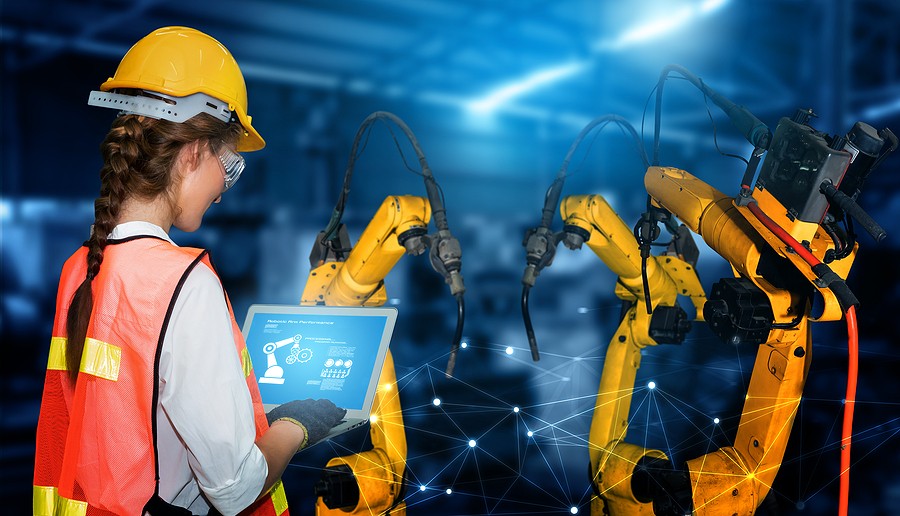
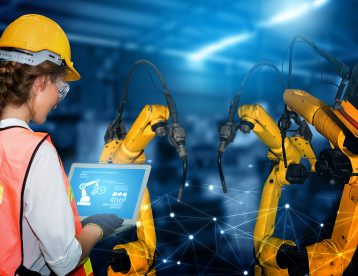
Industry 4.0 is embracing an entirely new and improved way of doing business with the use of innovative digital technology in the B2B world.
It has taken manufacturing to the next level. From handing processes over to technology, smart machines to artificial intelligence (AI), these transformations are serving a bigger purpose of digitalization.
Despite this digital transformation in manufacturing, the World Economic Forum found that around 62% of manufacturing companies have digitized only one of their product lines, which is a fraction of Industry 4.0.
In the 21st century, the factory is no longer the center of manufacturing. In fact, it’s often the furthest thing from it.
Modern factories take advantage of ideas like flexible space, mass customization, and mass production, while also incorporating social media and hardware/software innovations such as 3D printing, drones, and robotics into their daily operations.
The first step that companies need to take is to embrace the digital culture, accelerate digital transformation across the organization, and invest in cloud-based technology. This is the apex of digital transformation for the manufacturing industry.
Having a digital presence allows consumers to know exactly who you are and how to interact with you directly. The direct relationship retailers have with manufacturers translates into profit retention and customer loyalty. As a manufacturer, you are in full control of how your brand is represented and how your customers are served.
Benefits of Going Digital
1) Faster Time to Market

The environment of the manufacturing companies must be optimized to maximize productivity. And that’s where digitalization comes in. The automation and a connected ecosystem make the information move faster as compared to traditional manufacturing. The employees can seek better insights that not only helps in making the design and engineering process faster but also identify solutions, and make rapid decisions.
2) Greater Agility
Going digital makes companies more agile, and able to react better to the economy and world situations. It enables flexible manufacturing.
With smart machines, companies can be more resourceful and quickly make modifications, find solutions to change course, and easily adapt to new scenarios. The flexible digital model helps companies create new revenue streams, be more innovative, and limit disruptions.
3) Customization for Changing Demands
Earlier this year, Industry 4.0’s surge in demand reached a 37-year high. The manufacturing industry is on track to surpass the pre-pandemic production levels. However, it’s not just the demand that’s evolving; what consumers want is also changing. Customization is becoming a must-have capability for manufacturers with consumers ready to pay for personalized products.
4) Sustainability and Business Goals
Manufacturing companies can create the goods consumers need and want but there is always an environmental cost to creating those products.
With digital operations, companies can work better towards sustainability goals as defined by the state or federal government, the industry, or the manufacturer itself. Companies are even adding sustainability roles for their C-suites to track metrics, spearhead green policies, and ensure the company works in compliance.
5) Better Operational Efficiency
Digital transformation supports drift operations by eliminating unnecessary behaviors, automating processes, and consolidating workflows. This leads to lower costs and increases time for value-adding work.
Digital operations in manufacturing allow companies to automate and set a level of intelligence that can maximize efficiency across the processes. They allow manufacturers to simulate alternatives and find more efficient ways of achieving goals.
The Future of Manufacturing
As the world is moving toward digitalization, the manufacturing industry has to adopt technologies like Artificial Intelligence, Augmented Reality, and the Internet of Things. This will keep modern production lines running through predictive maintenance and help in pre-empting issues before they become detrimental.
In this highly competitive business world, manufacturing companies can’t afford to lose time to operational issues or allow defects to spiral into a production line closure. The future of profitable and efficient manufacturing lies in digital transformation and businesses truly need to embrace technology driven insights.
Mike Patel

Mike Patel is the Founder and CEO of ioVista, a leading digital commerce agency specializing in eCommerce solutions. With a strong background in business and technology, Mike Patel has been at the forefront of driving digital transformations for businesses. He has successfully navigated the ever-changing landscape of eCommerce, helping companies leverage the power of online platforms to grow their brand, increase revenues, and optimize their digital presence. Under his leadership, ioVista has become a trusted partner with major technology companies: Adobe/Magento, Google, BigCommerce, Shopify, and Yahoo. He is dedicated to staying ahead of industry trends, adopting cutting-edge technologies, and continuously improving strategies to provide clients with a competitive edge. Mike’s commitment to excellence and client satisfaction is evident in every project ioVista undertakes.
Popular Posts
-
 B2B, E-Commerce, Manufacturing
Adobe Commerce Security Update APSB25-50: Key Highlights
Mike Patel
11 Jun 2025 -
 B2B, E-Commerce, Manufacturing
B2B Excellence Starts with Adobe Commerce (Magento) - Not WooCommerce
Mike Patel
03 Jun 2025 -
 B2B, E-Commerce, Manufacturing
AI and ML in B2B: A Vision for the Future of Commerce by 2025
Mike Patel
27 May 2025 -
 B2B, E-Commerce, Manufacturing
20 Next-Gen B2B eCommerce Features that will Dominate in 2025
Mike Patel
20 May 2025 -
 B2B, E-Commerce, Manufacturing
WooCommerce to BigCommerce Migration Fuels Your B2B eCommerce Growth
Mike Patel
06 May 2025 -
 B2B, E-Commerce, Manufacturing
Adobe Commerce SaaS: How Will It Empower Your eCommerce Business?
Mike Patel
22 Apr 2025 -
 B2B, E-Commerce, Manufacturing
Leverage ERP Integration to Scale Your B2B eCommerce Business in 2025
Mike Patel
15 Apr 2025 -
 B2B, E-Commerce, Manufacturing
Adobe Commerce Security Update APSB25-26: All You Need to Know
Mike Patel
10 Apr 2025 -
-
 B2B, E-Commerce, Manufacturing
Why Scaling Business Should Migrate WooCommerce Stores to Shopify
Mike Patel
08 Apr 2025 -
 B2B, E-Commerce, Manufacturing
Why Does Adobe Commerce (Magento) Lead the Way of B2B eCommerce
Mike Patel
18 Mar 2025 -
 B2B, E-Commerce, Manufacturing
10 Key Drivers of Digital Transformation in B2B eCommerce for 2025
Mike Patel
04 Mar 2025 -
 B2B, E-Commerce, Manufacturing
5 Leading eCommerce Platforms to Build Scalable B2B Customer Portals
Mike Patel
25 Feb 2025 -
 B2B, E-Commerce, Manufacturing
Google Search Ranking Volatility: All You Need to Know
Mike Patel
18 Feb 2025 -
 B2B, E-Commerce, Manufacturing
Adobe Commerce Security Update APSB25-08: All You Need to Know
Mike Patel
13 Feb 2025 -
 B2B, E-Commerce, Manufacturing
7 Strategic Benefits of an Online B2B Customer Portal
Mike Patel
11 Feb 2025 -
 B2B, E-Commerce, Manufacturing
What Makes a Great Online B2B Customer Portal? Top 10 Features to Know
Mike Patel
04 Feb 2025 -
 B2B, E-Commerce, Manufacturing
Legacy B2B eCommerce Systems Slowing You Down? It's Time for Modernization
Mike Patel
28 Jan 2025 -
-
 B2B, E-Commerce, Manufacturing
Security Update Available for Adobe Commerce | APSB24-90
Mike Patel
20 Nov 2024 -
 B2B, E-Commerce, Manufacturing
Why Choose Hyvä Enterprise for Your Adobe Commerce Store?
Mike Patel
19 Nov 2024 -
 B2B, E-Commerce, Manufacturing
Security Update APSB24-73 for Adobe Commerce: Everything You Need to Know
Mike Patel
14 Oct 2024 -
-

-
 B2B, E-Commerce, Manufacturing
Hyvä Theme for Magento 2: Uncover Powerful Features – Evaluate Pros and Cons
Mike Patel
16 Jul 2024 -
 B2B, E-Commerce, Manufacturing
Magento 2.4.7: Explore the Newest Enhancements and Features
Mike Patel
30 Apr 2024 -
 B2B, E-Commerce, Manufacturing
Magento 2.4.6-p5: Enhancing Stability and Security
Mike Patel
22 Apr 2024 -
 B2B, E-Commerce, Manufacturing
Everything You Need To Know About eCommerce SEO in 2024
Mike Patel
16 Apr 2024 -
 B2B, E-Commerce, Manufacturing
The Impact of Site Speed on eCommerce SEO Performance
Mike Patel
14 Feb 2024 -
 B2B, E-Commerce, Manufacturing
ioVista Attains B2B Specialization on BigCommerce
Mike Patel
30 Oct 2023 -

-
 B2B, E-Commerce, Manufacturing
It’s Official: ioVista Has Become a Recognized Adobe Specialized Partner
Mike Patel
05 Sep 2023 -
-

-
 B2B, E-Commerce, Manufacturing
ioVista Announced as a 2023 Local Excellence Award Winner by UpCity
Mike Patel
09 May 2023 -

-
-

-
 B2B, E-Commerce, Manufacturing
7 Proven Strategies to Increase B2B/Wholesale eCommerce Revenue
Mike Patel
01 Feb 2023 -
 B2B, E-Commerce, Manufacturing
10 eCommerce Trends to Increase your Sales in 2023
Mike Patel
12 Jan 2023 -
 B2B, E-Commerce, Manufacturing
B2B eCommerce Features Your Store Need in 2023
Mike Patel
05 Jan 2023 -
 B2B, E-Commerce, Manufacturing
Adobe/Magento Highlights 2022 - Is your store Up-to-Date
Mike Patel
20 Dec 2022 -
 B2B, E-Commerce, Manufacturing
BigCommerce Releases StagingPro for Enterprise Merchants and Agency Developers
Mike Patel
15 Dec 2022 -
 B2B, E-Commerce, Manufacturing
Adobe discontinues Support for the 2.4.0-2.4.3 Release Line
Mike Patel
09 Dec 2022 -
 B2B, E-Commerce, Manufacturing
BFCM Round-Up – Get Your Store Ready for Christmas 2022!
Mike Patel
07 Dec 2022 -
 B2B, E-Commerce, Manufacturing
Universal Analytics Going Away: What Does it Mean, What you need to Do?
Mike Patel
24 Nov 2022 -
 B2B, E-Commerce, Manufacturing
40% of Magento and Adobe Commerce Websites at Risk in November 2022
Mike Patel
17 Nov 2022 -
 B2B, E-Commerce, Manufacturing
Website Support: How Can ioVista Help keep your Store Up and Running During Holidays
Mike Patel
17 Nov 2022 -

-
 B2B, E-Commerce, Manufacturing
Adobe Releases Critical Security Patches for Magento 2.4.5 and 2.4.4
Mike Patel
27 Oct 2022 -

-
 B2B, E-Commerce, Manufacturing
ioVista is Sponsoring the Largest eCommerce Event in Dallas
Mike Patel
07 Oct 2022 -
 B2B, E-Commerce, Manufacturing
Magento 2 Vulnerability: Surge in Hacking on Unpatched Stores
Mike Patel
27 Sep 2022 -
 B2B, E-Commerce, Manufacturing
Get your Holiday eCommerce Marketing Started with These 5 Tips
Mike Patel
15 Sep 2022 -
 B2B, E-Commerce, Manufacturing
Why a Magento Code Audit is Essential for your eCommerce Store
Mike Patel
10 Sep 2022 -

-

-
 B2B, E-Commerce, Manufacturing
How BigCommerce makes it easy for Legacy Businesses to get started with B2B eCommerce
Mike Patel
23 Aug 2022 -
 B2B, E-Commerce, Manufacturing
The Challenges of eCommerce in Manufacturing and how to Overcome them
Mike Patel
17 Aug 2022 -
 B2B, E-Commerce, Manufacturing
Adobe Releases Magento Open Source and Adobe Commerce 2.4.5
Mike Patel
10 Aug 2022 -
-
-
-
 B2B, E-Commerce, Manufacturing
The Growth of eCommerce and its impact on the Manufacturing Industry
Mike Patel
01 Jul 2022 -
 B2B, E-Commerce, Manufacturing
The Future of Manufacturing Business is Digital
Mike Patel
24 Jun 2022 -
 B2B, E-Commerce, Manufacturing
Magento Open Source Vs Commerce Vs Cloud: How to Pick your Edition
Mike Patel
14 Jun 2022 -
 B2B, E-Commerce, Manufacturing
Is your Store Optimized? How do you Measure eCommerce Conversion Rates?
Mike Patel
11 May 2022 -
 B2B, E-Commerce, Manufacturing
ioVista Recognized for B2B Services: Excellence Award Winner 2022
Mike Patel
03 May 2022 -
 B2B, E-Commerce, Manufacturing
How to Optimize Your eCommerce Store for Conversions
Mike Patel
29 Apr 2022 -
 B2B, E-Commerce, Manufacturing
BigCommerce Strengthens Its Hold in B2B eCommerce Landscape: Acquires Bundle B2B
Mike Patel
27 Apr 2022 -
 B2B, E-Commerce, Manufacturing
Future Proof your Digital Commerce with Headless Commerce
Mike Patel
21 Apr 2022 -
 B2B, E-Commerce, Manufacturing
Adobe Commerce 2.4.4 Release: Faster, Better, More Scalable
Mike Patel
13 Apr 2022 -
 B2B, E-Commerce, Manufacturing
BigCommerce Releases Multi-Storefront: Multiple Brand Management within a Single Store
Mike Patel
01 Apr 2022 -
 B2B, E-Commerce, Manufacturing
Adobe Commerce and Magento 1 Sites at Risk: Magento Vulnerabilities Exploited
Mike Patel
29 Mar 2022 -
 B2B, E-Commerce, Manufacturing
Is Your Business Ready for Digital Transformation? The Key Steps!
Mike Patel
01 Mar 2022 -
 B2B, E-Commerce, Manufacturing
ioVista named as Dallas’ most Recommended and Reviewed Digital Strategy Companies 2022
Mike Patel
24 Feb 2022 -
-
 B2B, E-Commerce, Manufacturing
February 2022, over 500 Legacy Magento 1 Websites Hacked!
Mike Patel
15 Feb 2022 -
 B2B, E-Commerce, Manufacturing
Progressive Web App: A well-established Approach to Architecting a Modern Website
Mike Patel
11 Feb 2022 -
 B2B, E-Commerce, Manufacturing
Adobe released a new End of Support Date for Magento 2.3.x
Mike Patel
04 Feb 2022 -
 B2B, E-Commerce, Manufacturing
How to Improve Internal Site Search for Better Mobile Conversions: 7 Proven Strategies
Mike Patel
27 Jan 2022 -
 B2B, E-Commerce, Manufacturing
The How & Why: Successful Data-Driven Marketing for eCommerce Stores
Mike Patel
13 Jan 2022 -
 B2B, E-Commerce, Manufacturing
How to Find Right Audience for your Online Business
Mike Patel
10 Jan 2022 -
 B2B, E-Commerce, Manufacturing
5 Key Reasons to Enable Social Commerce Channels for your Store
Mike Patel
17 Dec 2021 -
 B2B, E-Commerce, Manufacturing
ioVista is honored to be one of the Top 1000 Companies 2021
Mike Patel
13 Dec 2021 -
 B2B, E-Commerce, Manufacturing
Are Your FB, Instagram, Pinterest Accounts Geared for Social Shopping?
Mike Patel
30 Nov 2021 -
 B2B, E-Commerce, Manufacturing
Five BFCM Strategies Merchants Love To Implement For Holidays
Mike Patel
26 Oct 2021 -
 B2B, E-Commerce, Manufacturing
How to Meet Holiday Shoppers’ Needs With an Omnichannel Approach
Mike Patel
20 Oct 2021 -
 B2B, E-Commerce, Manufacturing
Support for Magento Commerce 2.3 and Magento Open Source 2.3 Ends
Mike Patel
05 Oct 2021 -
 B2B, E-Commerce, Manufacturing
Why your Business Needs Marketing Automation this Holiday Season
Mike Patel
30 Sep 2021 -
 B2B, E-Commerce, Manufacturing
How Augmented Reality can Deliver more Engaging Shopping Experiences
Mike Patel
21 Sep 2021 -
 B2B, E-Commerce, Manufacturing
These 5 Local Business Marketing Strategies Will Transform Your Business
Mike Patel
17 Sep 2021 -
 B2B, E-Commerce, Manufacturing
How eCommerce can be the Game Changer for Warehouses
Mike Patel
08 Sep 2021 -
 B2B, E-Commerce, Manufacturing
Magento 2.4.3 has arrived! Everything you Need to Know
Mike Patel
11 Aug 2021 -
 B2B, E-Commerce, Manufacturing
ioVista named 2021 Top B2B Company in Dallas and Texas
Mike Patel
05 Aug 2021 -



Let’s work together to create outstanding digital experiences.
With 20+ years of industry experience, ioVista understands your eCommerce needs and delivers best-in-class solutions that help you gain a competitive edge.
or Call us at: +1 214-699-4391

TOP
Get in Touch