


How To Migrate Your E-commerce Platform Without Compromising The Sales
04 Feb 2020
 Mike Patel

Everyone knows that Search Engine Optimization (SEO) is the name of the game when it comes to marketing in e-commerce. It takes a significant investment of time and resources to grow your ranking organically and maintain that growth as your business grows. There is one thing that can pull the plug on much of that time, effort and hard work: transitioning to a new e-commerce platform.
Migrating from one e-commerce platform to another is integral to scaling up your business and healthy growth. That being said, poor execution of that migration can be disastrous for your search rankings. If you don’t go into migration with a concrete plan for re-platforming, you are going to cost yourself time and money while you rebuild your site SEO and search rankings on your new platform. Here are six ways you can ensure your SEO remains intact and your rankings don’t take a massive hit during the transition.
Prioritize SEO While Re-platforming
Not to belabor the point, but if you want to make sure that you maintain your site SEO and search result rankings, you must prioritize SEO at every stage of the migration. The structure and form of your new site once you migrate depends heavily on your page’s SEO. Exporting your current SEO plan to the new platform needs to happen from the outset.
Moreover, your SEO transition needs a consistent follow-up for each step of the process to ensure your rankings and traffic aren’t significantly disrupted. It is also critical to analyze what pages and content have the highest traffic and draw the most business before migration to minimize the drop in traffic. Keeping everything as identical as possible is the name of the game.
Optimize New Pages
Use the same SOE strategy before your migration and for new pages created post-migration. Consistency in strategy and structure maintains your current rankings and traffic flow without having to “reinvent the wheel.” Remember, each page’s copy should focus on 2-3 keywords, internal links, header tags, alt image text, meta tags, page title and the URL.
Benchmark Your Analytics Regularly
Pull your analytics reports for your original site and keep a copy for post-migration comparison. Side-by-side perspective can help you easily pinpoint where losses in traffic or visits are occurring and correct the problem promptly.
Map Your Site Redirects
To maintain your SEO equity (average rankings and traffic), you need to map all pages from your existing site to the corresponding pages that will be on the new platform. Mapping redirects ensures your new site doesn’t lose the link value of your original site and thus protects your SE equity after the transition. While you’re at it, make sure all your links are updated and working. Nothing drives away business faster than broken links on an e-commerce site.
Distribute Sitemaps To Search Engines
Working on its own, it can take a while for a search engine to remap all the pages on your new site after your platform migration. Want an easy shortcut to reduce that downtime? Send a sitemap of the new site to Google (you can use the Search Console), or Yahoo, or even Bing using the Bing Webmaster Tool.
Rework your Site Architecture and URL Configuration
The bones and inner workings of your site will need a refresh to smoothly transition to the new platform. Take this opportunity to update your code, site architecture, page structure and all the other structural site elements. Reducing your URL and site code’s complexity makes a significant difference to your page’s SEO equity, so while you may as well get in there and tune things up while you’ve got your site “up on the lift.”
Final Thoughts
Transferring your site from one platform to another is a challenging endeavor, and it is not uncommon to feel overwhelmed by how many tasks and details demand your attention. When migration is over, all that hard work will have been worthwhile. Provided you’ve done your homework with planning and updating pages and content, you should similar SEO results (if not better ones) soon. Take it slow, double check for mistakes, and soon enough your migration will be done and you can get back to letting your e-commerce site continue earning or you.
Mike Patel

Mike Patel is the Founder and CEO of ioVista, a leading digital commerce agency specializing in eCommerce solutions. With a strong background in business and technology, Mike Patel has been at the forefront of driving digital transformations for businesses. He has successfully navigated the ever-changing landscape of eCommerce, helping companies leverage the power of online platforms to grow their brand, increase revenues, and optimize their digital presence. Under his leadership, ioVista has become a trusted partner with major technology companies: Adobe/Magento, Google, BigCommerce, Shopify, and Yahoo. He is dedicated to staying ahead of industry trends, adopting cutting-edge technologies, and continuously improving strategies to provide clients with a competitive edge. Mike’s commitment to excellence and client satisfaction is evident in every project ioVista undertakes.
Popular Posts
-
-
 Magento
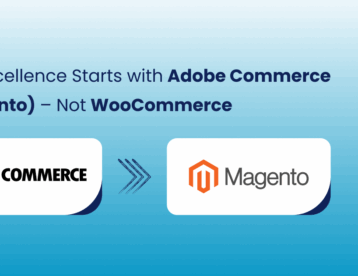
B2B Excellence Starts with Adobe Commerce (Magento) - Not WooCommerce
Mike Patel
03 Jun 2025 -

-

-
-

-
 Magento
Leverage ERP Integration to Scale Your B2B eCommerce Business in 2025
Mike Patel
15 Apr 2025 -
-
-
-
-
-
-
-
-
-
 Magento
What Makes a Great Online B2B Customer Portal? Top 10 Features to Know
Mike Patel
04 Feb 2025 -
 Magento
Legacy B2B eCommerce Systems Slowing You Down? It's Time for Modernization
Mike Patel
28 Jan 2025 -
-
-

-
 Magento
Security Update APSB24-73 for Adobe Commerce: Everything You Need to Know
Mike Patel
14 Oct 2024 -
-

-
 Magento
Hyvä Theme for Magento 2: Uncover Powerful Features – Evaluate Pros and Cons
Mike Patel
16 Jul 2024 -
-
-
-
-

-
-
 Magento
It’s Official: ioVista Has Become a Recognized Adobe Specialized Partner
Mike Patel
05 Sep 2023 -
-
-
-

-
-
-

-

-
-

-
 Magento
BigCommerce Releases StagingPro for Enterprise Merchants and Agency Developers
Mike Patel
15 Dec 2022 -
-

-
 Magento
Universal Analytics Going Away: What Does it Mean, What you need to Do?
Mike Patel
24 Nov 2022 -

-
 Magento
Website Support: How Can ioVista Help keep your Store Up and Running During Holidays
Mike Patel
17 Nov 2022 -

-
-

-

-
-

-

-

-

-
 Magento
How BigCommerce makes it easy for Legacy Businesses to get started with B2B eCommerce
Mike Patel
23 Aug 2022 -
 Magento
The Challenges of eCommerce in Manufacturing and how to Overcome them
Mike Patel
17 Aug 2022 -
-
-

-
-

-

-
-
 Magento
Is your Store Optimized? How do you Measure eCommerce Conversion Rates?
Mike Patel
11 May 2022 -

-

-
 Magento
BigCommerce Strengthens Its Hold in B2B eCommerce Landscape: Acquires Bundle B2B
Mike Patel
27 Apr 2022 -

-
-
 Magento
BigCommerce Releases Multi-Storefront: Multiple Brand Management within a Single Store
Mike Patel
01 Apr 2022 -
 Magento
Adobe Commerce and Magento 1 Sites at Risk: Magento Vulnerabilities Exploited
Mike Patel
29 Mar 2022 -

-
 Magento
ioVista named as Dallas’ most Recommended and Reviewed Digital Strategy Companies 2022
Mike Patel
24 Feb 2022 -
-

-
 Magento
Progressive Web App: A well-established Approach to Architecting a Modern Website
Mike Patel
11 Feb 2022 -
-
 Magento
How to Improve Internal Site Search for Better Mobile Conversions: 7 Proven Strategies
Mike Patel
27 Jan 2022 -

-

-

-

-
 Magento
Are Your FB, Instagram, Pinterest Accounts Geared for Social Shopping?
Mike Patel
30 Nov 2021 -

-

-
-

-

-
 Magento
These 5 Local Business Marketing Strategies Will Transform Your Business
Mike Patel
17 Sep 2021 -

-
-

-




Let’s work together to create outstanding digital experiences.
With 20+ years of industry experience, ioVista understands your eCommerce needs and delivers best-in-class solutions that help you gain a competitive edge.
or Call us at: +1 214-699-4391

TOP
Get in Touch