


How To Improve Cart Abandonment For Your eCommerce Store
10 Jan 2019
 Mike Patel
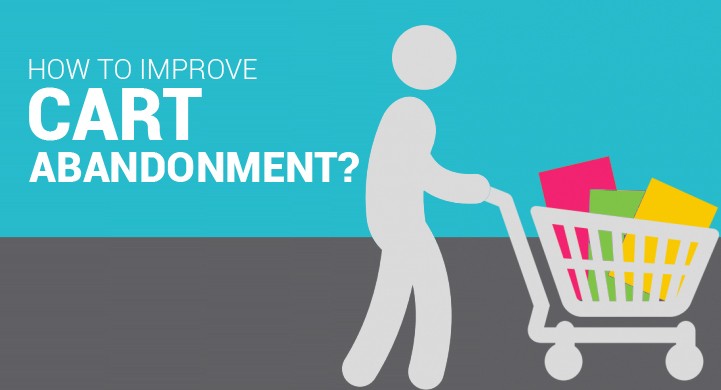
There’s nothing worse than seeing a high cart abandonment rate in your analytics. You do the math and figure out what those lost sales could’ve been and wonder – why didn’t they buy it if they put it in their cart?
Any online store will deal with shopping cart abandonment but there are ways to help reduce how much it happens, which will increase your conversions and revenue. So let’s take a look at some of the most common reasons for high cart abandonment rates and what you can do about it.
1. Your pricing isn’t clear or you’re not doing the math.
Most experts agree this is the number one reason customers add a product to a cart but don’t follow through with the sale.
A lot of time, the reason someone will click that “add to cart” button is simply to figure out the total or “real” price. So if you want to reduce your cart abandonment, take a look at all the components of your final price and make sure they’re very easy to understand.
Do you have shipping costs, handling, processing, taxes, sales, discounts or other price modifiers to consider?
If a customer isn’t sure what their total cost will be, an easy way to find out is add it to the cart – if it’s not what they expect, that’s when they leave or go to another site to comparison shop.
It’s understandable that you want your prices to look as low as possible but omitting shipping costs from the product detail page tends to backfire. Customers know there are things like shipping costs or taxes and they want to know what those charges are upfront so it’s best to make that information clear.
Another possibility is that you’re simply not “doing the math” for your customers. People want information fast. If you have costs to add on (like taxes) or discounts to apply (like 20% off) – show your customers their subtotal upfront, so they don’t need to put an item in the cart to figure out their final cost.
2. Your return policy isn’t clear.
Sometimes customers may back out of a purchase simply because they’re not sure what happens if they change their minds or if they want a refund.
Are your products guaranteed? Do you accept refunds if a product has been opened or used? These are things people wonder about before they go through with a purchase. To combat this sort of cart abandonment, make your return policy very clear and easy to find on your site.
3. You’re not offering enough payment options.
Let’s face it, people like options – especially if their own buying options are limited. Not everyone has a PayPal account or a Visa. Does your site accept Discover Cards or American Express? If you’re not offering the full gamut of payment options, this could be part of the reason you lose some business.
4. You need to reassure your customers that they’re making the right choice with testimonials or reviews.
Buying online is convenient but it doesn’t let people touch or inspect the items they wish to buy. All they have to use is pictures and whatever your site says about the product. The more information you can provide, the more comfortable someone will be with their purchase. But one of the best types of information you can provide is customer reviews and testimonials. Customers view feedback like this as more honest because it came from someone like them. So whenever possible, show your customers what others have said about your products.
5. Your site doesn’t seem secure or you’re asking for too much personal information.
Your site may be secure but if it doesn’t look trustworthy or secure, customers might have second thoughts before they give you their credit card information.
Similarly, if you’re asking for more information than a customer feels you need, they may quit halfway through the process. It’s a best practice to only gather the information you need or at least make additional information optional.
Get some honest feedback
Many of these issues can be harder to see on your own and it’s a good idea to ask an independent party to take a look at your site and give you some honest feedback. Reducing your shopping cart abandonment rate will only help increase your conversions and revenue.
If you’ve been struggling to reduce your shopping cart abandonment rate, another possible solution is to have a professional usability review of your site. Shopping cart abandonment is tied directly to user experience – something in the user’s experience is stopping them from completing their transaction. But it can be so hard to see why when it’s your own site. That’s why it’s a great idea to get a third party to take a look – whether that’s a friend you can trust to be honest or professionals like us.
If you’re interested in a usability review of your site, email or give us a call and we’ll help you get to the bottom of your cart abandonments. We can also install some proven tools that will help reduce your shopping cart abandonment rate and put more money in your pocket.
Mike Patel

Mike Patel is the Founder and CEO of ioVista, a leading digital commerce agency specializing in eCommerce solutions. With a strong background in business and technology, Mike Patel has been at the forefront of driving digital transformations for businesses. He has successfully navigated the ever-changing landscape of eCommerce, helping companies leverage the power of online platforms to grow their brand, increase revenues, and optimize their digital presence. Under his leadership, ioVista has become a trusted partner with major technology companies: Adobe/Magento, Google, BigCommerce, Shopify, and Yahoo. He is dedicated to staying ahead of industry trends, adopting cutting-edge technologies, and continuously improving strategies to provide clients with a competitive edge. Mike’s commitment to excellence and client satisfaction is evident in every project ioVista undertakes.
Popular Posts
-

-
 E-Commerce
B2B Excellence Starts with Adobe Commerce (Magento) - Not WooCommerce
Mike Patel
03 Jun 2025 -

-

-
 E-Commerce
WooCommerce to BigCommerce Migration Fuels Your B2B eCommerce Growth
Mike Patel
06 May 2025 -
-
 E-Commerce
Leverage ERP Integration to Scale Your B2B eCommerce Business in 2025
Mike Patel
15 Apr 2025 -
-
-
-
-
 E-Commerce
10 Key Drivers of Digital Transformation in B2B eCommerce for 2025
Mike Patel
04 Mar 2025 -
 E-Commerce
5 Leading eCommerce Platforms to Build Scalable B2B Customer Portals
Mike Patel
25 Feb 2025 -
-
-
-
 E-Commerce
What Makes a Great Online B2B Customer Portal? Top 10 Features to Know
Mike Patel
04 Feb 2025 -
 E-Commerce
Legacy B2B eCommerce Systems Slowing You Down? It's Time for Modernization
Mike Patel
28 Jan 2025 -
-
-
-
 E-Commerce
Security Update APSB24-73 for Adobe Commerce: Everything You Need to Know
Mike Patel
14 Oct 2024 -
-

-
 E-Commerce
Hyvä Theme for Magento 2: Uncover Powerful Features – Evaluate Pros and Cons
Mike Patel
16 Jul 2024 -
-

-
-

-

-
-
 E-Commerce
It’s Official: ioVista Has Become a Recognized Adobe Specialized Partner
Mike Patel
05 Sep 2023 -
-

-
 E-Commerce
ioVista Announced as a 2023 Local Excellence Award Winner by UpCity
Mike Patel
09 May 2023 -

-
-

-

-

-

-

-
 E-Commerce
BigCommerce Releases StagingPro for Enterprise Merchants and Agency Developers
Mike Patel
15 Dec 2022 -

-
-
 E-Commerce
Universal Analytics Going Away: What Does it Mean, What you need to Do?
Mike Patel
24 Nov 2022 -
 E-Commerce
40% of Magento and Adobe Commerce Websites at Risk in November 2022
Mike Patel
17 Nov 2022 -
 E-Commerce
Website Support: How Can ioVista Help keep your Store Up and Running During Holidays
Mike Patel
17 Nov 2022 -

-
 E-Commerce
Adobe Releases Critical Security Patches for Magento 2.4.5 and 2.4.4
Mike Patel
27 Oct 2022 -

-

-
-

-

-

-

-
 E-Commerce
How BigCommerce makes it easy for Legacy Businesses to get started with B2B eCommerce
Mike Patel
23 Aug 2022 -
 E-Commerce
The Challenges of eCommerce in Manufacturing and how to Overcome them
Mike Patel
17 Aug 2022 -
-
-
-
-
 E-Commerce
The Growth of eCommerce and its impact on the Manufacturing Industry
Mike Patel
01 Jul 2022 -

-
 E-Commerce
Magento Open Source Vs Commerce Vs Cloud: How to Pick your Edition
Mike Patel
14 Jun 2022 -
 E-Commerce
Is your Store Optimized? How do you Measure eCommerce Conversion Rates?
Mike Patel
11 May 2022 -

-

-
 E-Commerce
BigCommerce Strengthens Its Hold in B2B eCommerce Landscape: Acquires Bundle B2B
Mike Patel
27 Apr 2022 -

-
-
 E-Commerce
BigCommerce Releases Multi-Storefront: Multiple Brand Management within a Single Store
Mike Patel
01 Apr 2022 -
 E-Commerce
Adobe Commerce and Magento 1 Sites at Risk: Magento Vulnerabilities Exploited
Mike Patel
29 Mar 2022 -

-
 E-Commerce
ioVista named as Dallas’ most Recommended and Reviewed Digital Strategy Companies 2022
Mike Patel
24 Feb 2022 -

-

-
 E-Commerce
Progressive Web App: A well-established Approach to Architecting a Modern Website
Mike Patel
11 Feb 2022 -
-
 E-Commerce
How to Improve Internal Site Search for Better Mobile Conversions: 7 Proven Strategies
Mike Patel
27 Jan 2022 -
 E-Commerce
The How & Why: Successful Data-Driven Marketing for eCommerce Stores
Mike Patel
13 Jan 2022 -

-

-

-
 E-Commerce
Are Your FB, Instagram, Pinterest Accounts Geared for Social Shopping?
Mike Patel
30 Nov 2021 -

-

-
-

-
 E-Commerce
How Augmented Reality can Deliver more Engaging Shopping Experiences
Mike Patel
21 Sep 2021 -
 E-Commerce
These 5 Local Business Marketing Strategies Will Transform Your Business
Mike Patel
17 Sep 2021 -

-
-

-


Let’s work together to create outstanding digital experiences.
With 20+ years of industry experience, ioVista understands your eCommerce needs and delivers best-in-class solutions that help you gain a competitive edge.
or Call us at: +1 214-699-4391

TOP
Get in Touch