


How Magento 1 End of Life will Affect Retailers
21 Feb 2019
 Mike Patel
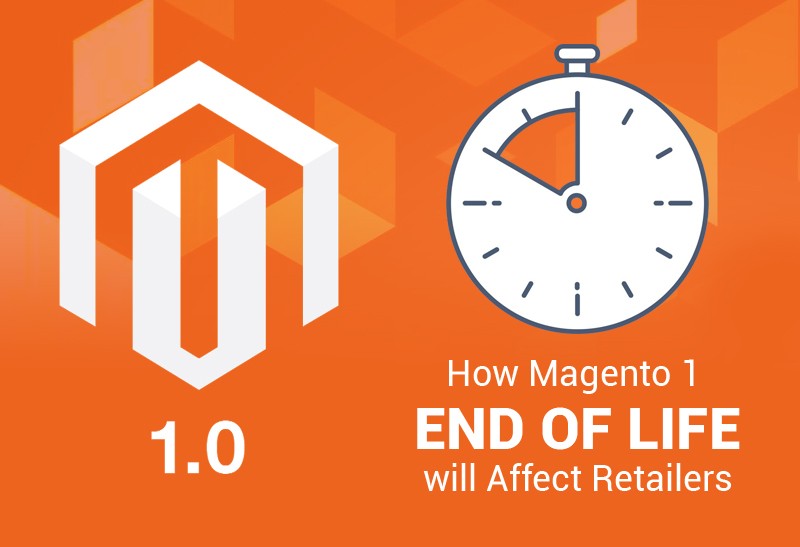
When it comes to Magento, it is out with the old (Magento 1) and in with the 2.
With over 250,000 online stores using Magento Commerce worldwide, this is something which is bound to affect a lot of retailers and businesses, many of whom still using Magento 1, the original platform.
Magento released Magento 2 back in 2015 and gave a three-year deadline to Magento 1 sites to make changes. However, to the relief of retailers, Magento professed a few months ago that the company would continue to offer support for old platform until June 2020, giving retailers a few more months to get their affairs in order as upgrading the Magento platform is a prolonged activity.
What does End of Life (EOL) mean for Magento?
Well, EOL doesn’t signify that your Magento 1 site will no more exist on 1 July 2020. However, it means that you’ll no longer get any support, updates or security patches for your site. Your site will be live, but there would be a huge risk to your business.
The end of support also means that Magento 1 will no longer get any development. There won’t be new functionalities, new apps, and new ways to keep up with the Ecommerce trends. Basically, your site will start decaying.
And, that’s why it’s time to say goodbye to Magento 1 and upgrade to Magento 2.
How will this affect your site?
Though the fact that Magento 1 will not receive updates from June 2020 doesn’t sound too frightening now, the actual impact it will have on your site is huge. Your business will be vulnerable to all type of hacks and security breaches by not having the latest security patches.
As an Ecommerce business, you have the responsibility to safeguard the customers’ data and payment information. However, without the latest security patches, hackers can access this information and you will be in breach of data protection laws. The out-of-date site is a huge risk to both your business as well as to your customers. The only option is to Upgrade to Magento 2 to keep your business safe and running smoothly.
Magento 2 Benefits
- Page loads 30% to 50% faster
- Up to 39% more orders per hour
- 66% faster add-to-cart time than Magento 1
- Better performance and user interaction
- Increased sales and revenue.
- Ability to manage more products than Magento 1
- More choices to your customers
When should you make the move to Magento 2?
It would be wise to have a strategy in place now for your new site to be up and running before June 2020 while it works well with your internal operations and marketing plans. You must also ensure that your site transition isn’t coinciding with peak trading periods for your business like Christmas or Black Friday.
Also, consider the fact that yours is not the only company that will need to upgrade ahead of 2020. The closer it gets to the Magento 1 end-of-life date, the busier will be the Ecommerce agencies like ioVista. To secure yourself with the best possible deal and agency, you need to think about upgrading to Magento 2 as soon as possible.
And remember, it won’t be just like a regular site update; your business will have a whole new site. It’s a chance to transform the design, enhance the UX and fine-tune the content.
Summary
It is not to make you panic but to remind you that you should start preparing for the future without Magento 1. By planning your move ahead of time, you are securing your business from the vulnerabilities of Magento 1 EOL.
Talk to s Magento 2 Certified Professional at ioVista today by calling 214-699-4391 or filling in the contact form below.
Mike Patel

Mike Patel is the Founder and CEO of ioVista, a leading digital commerce agency specializing in eCommerce solutions. With a strong background in business and technology, Mike Patel has been at the forefront of driving digital transformations for businesses. He has successfully navigated the ever-changing landscape of eCommerce, helping companies leverage the power of online platforms to grow their brand, increase revenues, and optimize their digital presence. Under his leadership, ioVista has become a trusted partner with major technology companies: Adobe/Magento, Google, BigCommerce, Shopify, and Yahoo. He is dedicated to staying ahead of industry trends, adopting cutting-edge technologies, and continuously improving strategies to provide clients with a competitive edge. Mike’s commitment to excellence and client satisfaction is evident in every project ioVista undertakes.
Popular Posts
-
-
 Magento
B2B Excellence Starts with Adobe Commerce (Magento) - Not WooCommerce
Mike Patel
03 Jun 2025 -

-

-
-

-
 Magento
Leverage ERP Integration to Scale Your B2B eCommerce Business in 2025
Mike Patel
15 Apr 2025 -
-
-
-
-
-
-

-

-

-
 Magento
What Makes a Great Online B2B Customer Portal? Top 10 Features to Know
Mike Patel
04 Feb 2025 -
 Magento
Legacy B2B eCommerce Systems Slowing You Down? It's Time for Modernization
Mike Patel
28 Jan 2025 -
-

-

-
 Magento
Security Update APSB24-73 for Adobe Commerce: Everything You Need to Know
Mike Patel
14 Oct 2024 -

-

-
 Magento
Hyvä Theme for Magento 2: Uncover Powerful Features – Evaluate Pros and Cons
Mike Patel
16 Jul 2024 -
-
-

-

-

-

-
 Magento
It’s Official: ioVista Has Become a Recognized Adobe Specialized Partner
Mike Patel
05 Sep 2023 -
-
-

-

-
-

-

-

-

-

-
 Magento
BigCommerce Releases StagingPro for Enterprise Merchants and Agency Developers
Mike Patel
15 Dec 2022 -
-

-
 Magento
Universal Analytics Going Away: What Does it Mean, What you need to Do?
Mike Patel
24 Nov 2022 -

-
 Magento
Website Support: How Can ioVista Help keep your Store Up and Running During Holidays
Mike Patel
17 Nov 2022 -

-
-

-

-
-

-

-

-

-
 Magento
How BigCommerce makes it easy for Legacy Businesses to get started with B2B eCommerce
Mike Patel
23 Aug 2022 -
 Magento
The Challenges of eCommerce in Manufacturing and how to Overcome them
Mike Patel
17 Aug 2022 -
-
-

-
-

-

-
-
 Magento
Is your Store Optimized? How do you Measure eCommerce Conversion Rates?
Mike Patel
11 May 2022 -

-

-
 Magento
BigCommerce Strengthens Its Hold in B2B eCommerce Landscape: Acquires Bundle B2B
Mike Patel
27 Apr 2022 -

-
-
 Magento
BigCommerce Releases Multi-Storefront: Multiple Brand Management within a Single Store
Mike Patel
01 Apr 2022 -
 Magento
Adobe Commerce and Magento 1 Sites at Risk: Magento Vulnerabilities Exploited
Mike Patel
29 Mar 2022 -

-
 Magento
ioVista named as Dallas’ most Recommended and Reviewed Digital Strategy Companies 2022
Mike Patel
24 Feb 2022 -
-

-
 Magento
Progressive Web App: A well-established Approach to Architecting a Modern Website
Mike Patel
11 Feb 2022 -
-
 Magento
How to Improve Internal Site Search for Better Mobile Conversions: 7 Proven Strategies
Mike Patel
27 Jan 2022 -

-

-

-

-
 Magento
Are Your FB, Instagram, Pinterest Accounts Geared for Social Shopping?
Mike Patel
30 Nov 2021 -

-

-
-

-

-
 Magento
These 5 Local Business Marketing Strategies Will Transform Your Business
Mike Patel
17 Sep 2021 -

-
-

-




Let’s work together to create outstanding digital experiences.
With 20+ years of industry experience, ioVista understands your eCommerce needs and delivers best-in-class solutions that help you gain a competitive edge.
or Call us at: +1 214-699-4391

TOP
Get in Touch