


How Can You Stop Losing Money On Your Paid Ads
16 Apr 2019
 Mike Patel
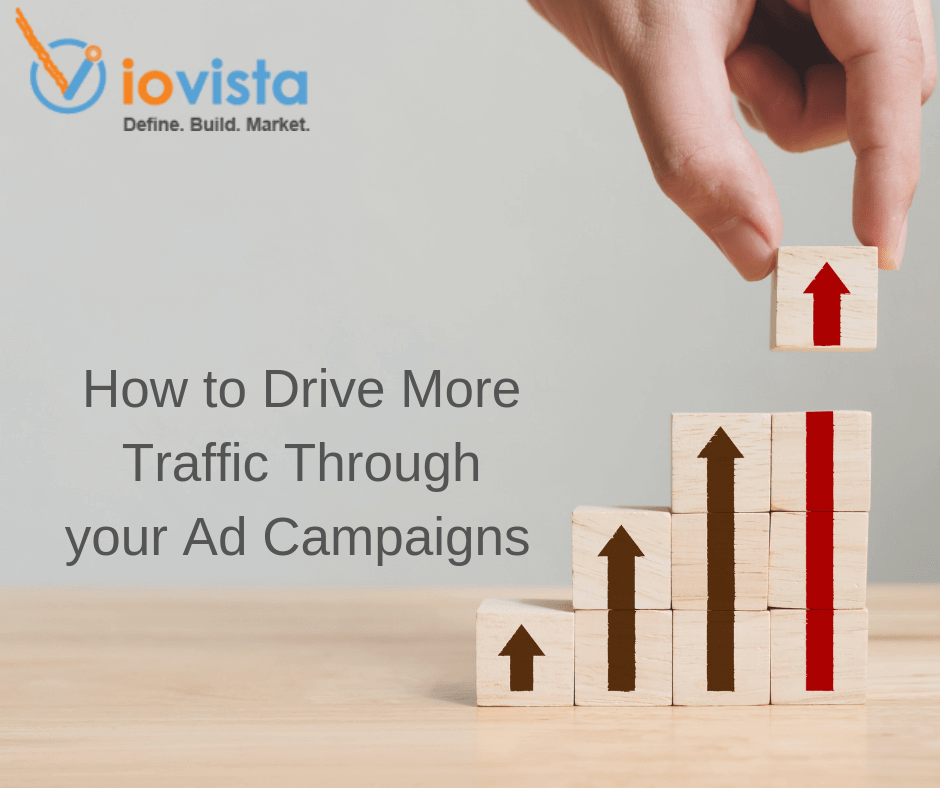
One of the most challenging tasks for paid advertising is creating and executing an effective ad campaign that gets noticed. You do your research on what platforms to advertise on. You pinpoint exactly who you want to buy your product or service and how to best reach them. Finally, you create the (seemingly) perfect ad with an irresistible offer. Yet, your ad is losing traffic. What gives? Do you keep endlessly trying to tweak your ad until you somehow gain traffic? That can take weeks or months while your precious marketing budget is steadily draining. The best thing you can do is keep reading to find out how to stop losing your ad traffic.
What stops people from seeing your ads?
Granted, you may have issues within your ad itself that is causing it to perform poorly. It is well worth your time to get a trusted marketing guru to give you feedback on your ad design, copy, landing page, platform and call-to-action to know if you have made a glaring mistake. If everything looks good with the ad itself, you may be falling victim to banner blindness.
Banner blindness is the recently discovered phenomenon where consumers automatically block out any content that looks like an ad. This means that any ads that aren’t in the content area, the middle of the page, are not seen by the consumer. Sidebars, headers and ads at the bottom of the screen are all the main targets of banner blindness.
Studies have shown that the overload of marketing information on the average consumer has caused them to completely block out anything they perceive to be advertising. If your paid advertising is not doing well, it may well be because your audience is unconsciously blocking it out. They key is to make your ad not look like an ad.
Content marketing and native ads vs. traditional marketing
While traditional marketing like banner ads still exist and may be effective in some circumstances, content marketing and native ads are a growing trend. Native ads are the opposite of banner ads in their placement. You will see native ads within the main content of the page, which “tricks” viewers into reading and hopefully interacting with the ad. Some issues with native ads are being ethical about what is an advertisement and what is true content.
Consumers don’t like to feel tricked into reading an ad or, even worse, thinking an ad is an unbiased content. Many sites require advertisements to be labeled as such so that they can retain their credibility with their readers. The key to good native marketing is to offer real value to readers, even if they don’t buy your product.
Content marketing is a much bigger approach to marketing which involves producing “real” content and not just sales advertisements. The theory is that providing quality content, which can also mention your product or service, will bring higher esteem to your brand and lead to more sales in the long run. In fact, 70% of consumers would rather learn about a product through information rather than traditional marketing like banner ads. Implementing a content marketing strategy is a good alternative when your traditional marketing strategy isn’t working anymore. Though it may have worked in the past, your audience changes over time. It is never too soon to revisit your audience and their needs in light of your marketing efforts.
New places for banner ads
Banner ads aren’t necessarily a bad thing. They can work well if you switch up their placement. Consider putting your ad in different places and in different sized panes than traditionally used. Standard size for display banner ads is 728 × 90 leaderboards and 300 × 250 rectangles. Try different sizes and put them in the top left corner or along the left side of the page. Move your ad around to see what placement gives you the best engagement. You can also put it in between your content within the main part of your page. As long as you show that it is an advertisement, you can weave it in with your content.
Welcome and popup ads
Though they have been the bane of many internet users, making your ad popup has actually been successful for many businesses. Email opt-ins and offers can easily be made into an attractive pop up that all viewers have to deal with, whether by clicking out of or opting in. Many visitors may get annoyed by them, but some companies (like Forbes) have had great success. It is just a delicate balance between what works to draw your viewers in and not drive them away.
We hope these tips and tricks will help you effectively spend money on your paid ads. Let us know in the comments below your ways of making your ad campaigns more effective. Contact ioVista for your Pay Per Click management and other digital marketing services.
Mike Patel

Mike Patel is the Founder and CEO of ioVista, a leading digital commerce agency specializing in eCommerce solutions. With a strong background in business and technology, Mike Patel has been at the forefront of driving digital transformations for businesses. He has successfully navigated the ever-changing landscape of eCommerce, helping companies leverage the power of online platforms to grow their brand, increase revenues, and optimize their digital presence. Under his leadership, ioVista has become a trusted partner with major technology companies: Adobe/Magento, Google, BigCommerce, Shopify, and Yahoo. He is dedicated to staying ahead of industry trends, adopting cutting-edge technologies, and continuously improving strategies to provide clients with a competitive edge. Mike’s commitment to excellence and client satisfaction is evident in every project ioVista undertakes.
Popular Posts
-
-
 Digital Marketing
B2B Excellence Starts with Adobe Commerce (Magento) - Not WooCommerce
Mike Patel
03 Jun 2025 -
 Digital Marketing
AI and ML in B2B: A Vision for the Future of Commerce by 2025
Mike Patel
27 May 2025 -
 Digital Marketing
20 Next-Gen B2B eCommerce Features that will Dominate in 2025
Mike Patel
20 May 2025 -
 Digital Marketing
WooCommerce to BigCommerce Migration Fuels Your B2B eCommerce Growth
Mike Patel
06 May 2025 -
 Digital Marketing
Adobe Commerce SaaS: How Will It Empower Your eCommerce Business?
Mike Patel
22 Apr 2025 -
 Digital Marketing
Leverage ERP Integration to Scale Your B2B eCommerce Business in 2025
Mike Patel
15 Apr 2025 -
 Digital Marketing
Adobe Commerce Security Update APSB25-26: All You Need to Know
Mike Patel
10 Apr 2025 -
-
 Digital Marketing
Why Scaling Business Should Migrate WooCommerce Stores to Shopify
Mike Patel
08 Apr 2025 -
 Digital Marketing
Why Does Adobe Commerce (Magento) Lead the Way of B2B eCommerce
Mike Patel
18 Mar 2025 -
 Digital Marketing
10 Key Drivers of Digital Transformation in B2B eCommerce for 2025
Mike Patel
04 Mar 2025 -
 Digital Marketing
5 Leading eCommerce Platforms to Build Scalable B2B Customer Portals
Mike Patel
25 Feb 2025 -
-
 Digital Marketing
Adobe Commerce Security Update APSB25-08: All You Need to Know
Mike Patel
13 Feb 2025 -
-
 Digital Marketing
What Makes a Great Online B2B Customer Portal? Top 10 Features to Know
Mike Patel
04 Feb 2025 -
 Digital Marketing
Legacy B2B eCommerce Systems Slowing You Down? It's Time for Modernization
Mike Patel
28 Jan 2025 -
-
-
-
 Digital Marketing
Security Update APSB24-73 for Adobe Commerce: Everything You Need to Know
Mike Patel
14 Oct 2024 -
-

-
 Digital Marketing
Hyvä Theme for Magento 2: Uncover Powerful Features – Evaluate Pros and Cons
Mike Patel
16 Jul 2024 -
 Digital Marketing
Magento 2.4.7: Explore the Newest Enhancements and Features
Mike Patel
30 Apr 2024 -
-
-
-
-
-
 Digital Marketing
It’s Official: ioVista Has Become a Recognized Adobe Specialized Partner
Mike Patel
05 Sep 2023 -
-
-
 Digital Marketing
ioVista Announced as a 2023 Local Excellence Award Winner by UpCity
Mike Patel
09 May 2023 -
-
-
-
 Digital Marketing
7 Proven Strategies to Increase B2B/Wholesale eCommerce Revenue
Mike Patel
01 Feb 2023 -

-
-
-
 Digital Marketing
BigCommerce Releases StagingPro for Enterprise Merchants and Agency Developers
Mike Patel
15 Dec 2022 -
 Digital Marketing
Adobe discontinues Support for the 2.4.0-2.4.3 Release Line
Mike Patel
09 Dec 2022 -
-
 Digital Marketing
Universal Analytics Going Away: What Does it Mean, What you need to Do?
Mike Patel
24 Nov 2022 -
 Digital Marketing
40% of Magento and Adobe Commerce Websites at Risk in November 2022
Mike Patel
17 Nov 2022 -
-
 Digital Marketing
Adobe Releases Critical Security Patches for Magento 2.4.5 and 2.4.4
Mike Patel
27 Oct 2022 -

-
 Digital Marketing
ioVista is Sponsoring the Largest eCommerce Event in Dallas
Mike Patel
07 Oct 2022 -
 Digital Marketing
Magento 2 Vulnerability: Surge in Hacking on Unpatched Stores
Mike Patel
27 Sep 2022 -
 Digital Marketing
Get your Holiday eCommerce Marketing Started with These 5 Tips
Mike Patel
15 Sep 2022 -
 Digital Marketing
Why a Magento Code Audit is Essential for your eCommerce Store
Mike Patel
10 Sep 2022 -
-

-
 Digital Marketing
The Challenges of eCommerce in Manufacturing and how to Overcome them
Mike Patel
17 Aug 2022 -
 Digital Marketing
Adobe Releases Magento Open Source and Adobe Commerce 2.4.5
Mike Patel
10 Aug 2022 -
-
-
-
 Digital Marketing
The Growth of eCommerce and its impact on the Manufacturing Industry
Mike Patel
01 Jul 2022 -

-
 Digital Marketing
Magento Open Source Vs Commerce Vs Cloud: How to Pick your Edition
Mike Patel
14 Jun 2022 -
 Digital Marketing
Is your Store Optimized? How do you Measure eCommerce Conversion Rates?
Mike Patel
11 May 2022 -
 Digital Marketing
ioVista Recognized for B2B Services: Excellence Award Winner 2022
Mike Patel
03 May 2022 -

-

-
 Digital Marketing
Adobe Commerce 2.4.4 Release: Faster, Better, More Scalable
Mike Patel
13 Apr 2022 -
 Digital Marketing
Adobe Commerce and Magento 1 Sites at Risk: Magento Vulnerabilities Exploited
Mike Patel
29 Mar 2022 -
 Digital Marketing
Is Your Business Ready for Digital Transformation? The Key Steps!
Mike Patel
01 Mar 2022 -
-

-
-
 Digital Marketing
The How & Why: Successful Data-Driven Marketing for eCommerce Stores
Mike Patel
13 Jan 2022 -
-
 Digital Marketing
5 Key Reasons to Enable Social Commerce Channels for your Store
Mike Patel
17 Dec 2021 -
 Digital Marketing
ioVista is honored to be one of the Top 1000 Companies 2021
Mike Patel
13 Dec 2021 -
 Digital Marketing
Are Your FB, Instagram, Pinterest Accounts Geared for Social Shopping?
Mike Patel
30 Nov 2021 -
 Digital Marketing
Five BFCM Strategies Merchants Love To Implement For Holidays
Mike Patel
26 Oct 2021 -
 Digital Marketing
How to Meet Holiday Shoppers’ Needs With an Omnichannel Approach
Mike Patel
20 Oct 2021 -
 Digital Marketing
Support for Magento Commerce 2.3 and Magento Open Source 2.3 Ends
Mike Patel
05 Oct 2021 -
 Digital Marketing
Why your Business Needs Marketing Automation this Holiday Season
Mike Patel
30 Sep 2021 -
 Digital Marketing
How Augmented Reality can Deliver more Engaging Shopping Experiences
Mike Patel
21 Sep 2021 -
 Digital Marketing
These 5 Local Business Marketing Strategies Will Transform Your Business
Mike Patel
17 Sep 2021 -
-
-

-


Let’s work together to create outstanding digital experiences.
With 20+ years of industry experience, ioVista understands your eCommerce needs and delivers best-in-class solutions that help you gain a competitive edge.
or Call us at: +1 214-699-4391

TOP
Get in Touch