


Google Analytics Part One: Key Terms Defined and Explained
16 Apr 2015
 Mike Patel

This is part one of a two part article on the basics of using Google Analytics. If you don’t have Google Analytics and would like to learn more about adding it to your site, just let us know and we’d be happy to help.
But let’s say you do have Google Analytics but aren’t exactly sure how to get the most out of it or what it can really do for you. Then this two part series is for you.
To start, let’s go over the most common terms used when looking at or talking about Google Analytics and what they could mean for an eCommerce site. In the next article, I’ll cover the basics of putting Google Analytics to work and understanding the data.
Common Google Analytics Terms Defined:
Average Time on Site: The average amount of time a visitor stays on your site. You can customize this data to look at certain time periods if you want. This data is useful for knowing how long it takes people to buy a product or leave. If they were only there a short time and bought something, you know your site is efficient. It didn’t take them long to find what they wanted and complete the transaction. If you find it’s taking customers a long time to complete their transaction, there might be a spot in your sales process that slowed them down and its worth looking into.
Bounce Rate: The amount of visitors who only looked at one page before leaving. If you have a high bounce rate, this can tell you that visitors didn’t find what they were searching for when they reached your site. The way to fix this might be to change the wording of your ads or making some changes to the pages your visitors usually find first (landing pages).
eCommerce Conversion: This will show how many visitors turned into buyers. If you have a lot of traffic but low conversions, you might not be targeting the right people with your SEO.
Exit Page/Top Exit Page: Google Analytics can tell you exactly where someone left your site. If you notice that a lot of people always leave in a certain spot, you know that you need to make some changes. Maybe there’s something confusing in your checkout process that’s causing them to leave. Finding a high exit rate on a specific page can really help you discover an area that needs improvement.
Funnels: This is something you create in Google Analytics. You can track your sales funnel on your site – from homepage to product page to shopping cart. Like the exit pages, this can be helpful to see where visitors are leaving your sales funnel. You can use this data to make adjustments in those spots.
Goals: Google Analytics lets you set goals to track. For example, a goal might be a conversion rate for a certain product. Or a goal could be very general and be any conversion. Or it could be newsletter signups or some other action on your site that you want to track. This can be helpful to track, simply to watch for any changes in the numbers over time.
Keywords: Anytime someone uses a search engine to get to your site, Google Analytics will record the search terms they used to find you. This is incredibly helpful for increasing your search ranking. When you know that a lot of people use a certain term to find you, you can edit your site content to include more of those specific terms. This can help boost your search ranking.
Landing Page/Top Landing Page: This is the first page that a visitor views of your site. It’s usually your homepage but Google Analytics can tell you the other pages your visitors are landing on.
Loyalty: You can tell how loyal your visitors are. Google Analytics can tell you how many times specific visitors come to your site during a set date range. Low loyalty can be a sign that you should update your content more regularly.
Page views: Google Analytics will count how many times each individual page is viewed. This is a helpful because it will show you which of your pages are the most popular and which are the least. It can really help you target your customers better and improve weak spots in your website.
Traffic Sources: Google Analytics will tell you exactly where your traffic is coming from which can help you figure out where you can boost your efforts to pick up traffic in any of these channels. It can tell you what search engines people came from or if you’re getting traffic from ads or other websites altogether.
- Direct Traffic: This is any traffic that comes from a user actually typing in your store’s web address into their browser or using one of their bookmarks to get to your site.
- Organic Traffic / Search Traffic: Traffic that comes from unpaid, natural search engine results.
- Paid Traffic: Traffic that comes from paid ads or paid search terms.
- Referral Traffic: Traffic that comes from a link on another website. Perhaps a blog mentions your company or someone found your link on a social media site like Facebook.
Unique Visitors: This tells you how many individual visitors have come to your site during a set time period. This does not count any return visits. This gives you a more accurate picture of your traffic since the number won’t be inflated by someone who came to your site multiple times. This number can give you a sense of loyalty as well as your reach – how many customers are you really reaching in a certain time period like a week or a month?
Visit Duration: The amount of time someone spends on your site. This is more important than it may seem at first glance. Of course you want people to engage with your site and spend time looking at and buying your products. But visit duration is also important for your search engine rankings. Search engines view long visitor duration as a good thing. It makes them consider your site more relevant if people like to visit and stay a while. If you have a low visit duration, this probably means you need to add more content like blog articles or more product information for visitors to look at.
Stay tuned for our next article in this series, where we’ll look at some ways to put Google Analytics data to work for your site.
Part Two is now published here.
Mike Patel

Mike Patel is the Founder and CEO of ioVista, a leading digital commerce agency specializing in eCommerce solutions. With a strong background in business and technology, Mike Patel has been at the forefront of driving digital transformations for businesses. He has successfully navigated the ever-changing landscape of eCommerce, helping companies leverage the power of online platforms to grow their brand, increase revenues, and optimize their digital presence. Under his leadership, ioVista has become a trusted partner with major technology companies: Adobe/Magento, Google, BigCommerce, Shopify, and Yahoo. He is dedicated to staying ahead of industry trends, adopting cutting-edge technologies, and continuously improving strategies to provide clients with a competitive edge. Mike’s commitment to excellence and client satisfaction is evident in every project ioVista undertakes.
Popular Posts
-

-
 Digital Marketing
B2B Excellence Starts with Adobe Commerce (Magento) - Not WooCommerce
Mike Patel
03 Jun 2025 -
 Digital Marketing
AI and ML in B2B: A Vision for the Future of Commerce by 2025
Mike Patel
27 May 2025 -
 Digital Marketing
20 Next-Gen B2B eCommerce Features that will Dominate in 2025
Mike Patel
20 May 2025 -
 Digital Marketing
WooCommerce to BigCommerce Migration Fuels Your B2B eCommerce Growth
Mike Patel
06 May 2025 -
 Digital Marketing
Adobe Commerce SaaS: How Will It Empower Your eCommerce Business?
Mike Patel
22 Apr 2025 -
 Digital Marketing
Leverage ERP Integration to Scale Your B2B eCommerce Business in 2025
Mike Patel
15 Apr 2025 -
 Digital Marketing
Adobe Commerce Security Update APSB25-26: All You Need to Know
Mike Patel
10 Apr 2025 -

-
 Digital Marketing
Why Scaling Business Should Migrate WooCommerce Stores to Shopify
Mike Patel
08 Apr 2025 -
 Digital Marketing
Why Does Adobe Commerce (Magento) Lead the Way of B2B eCommerce
Mike Patel
18 Mar 2025 -
 Digital Marketing
10 Key Drivers of Digital Transformation in B2B eCommerce for 2025
Mike Patel
04 Mar 2025 -
 Digital Marketing
5 Leading eCommerce Platforms to Build Scalable B2B Customer Portals
Mike Patel
25 Feb 2025 -
-
 Digital Marketing
Adobe Commerce Security Update APSB25-08: All You Need to Know
Mike Patel
13 Feb 2025 -
-
 Digital Marketing
What Makes a Great Online B2B Customer Portal? Top 10 Features to Know
Mike Patel
04 Feb 2025 -
 Digital Marketing
Legacy B2B eCommerce Systems Slowing You Down? It's Time for Modernization
Mike Patel
28 Jan 2025 -
-

-

-
 Digital Marketing
Security Update APSB24-73 for Adobe Commerce: Everything You Need to Know
Mike Patel
14 Oct 2024 -

-

-
 Digital Marketing
Hyvä Theme for Magento 2: Uncover Powerful Features – Evaluate Pros and Cons
Mike Patel
16 Jul 2024 -
 Digital Marketing
Magento 2.4.7: Explore the Newest Enhancements and Features
Mike Patel
30 Apr 2024 -

-
-

-

-
-
 Digital Marketing
It’s Official: ioVista Has Become a Recognized Adobe Specialized Partner
Mike Patel
05 Sep 2023 -
-

-
 Digital Marketing
ioVista Announced as a 2023 Local Excellence Award Winner by UpCity
Mike Patel
09 May 2023 -
-
-

-
 Digital Marketing
7 Proven Strategies to Increase B2B/Wholesale eCommerce Revenue
Mike Patel
01 Feb 2023 -

-

-

-
 Digital Marketing
BigCommerce Releases StagingPro for Enterprise Merchants and Agency Developers
Mike Patel
15 Dec 2022 -
 Digital Marketing
Adobe discontinues Support for the 2.4.0-2.4.3 Release Line
Mike Patel
09 Dec 2022 -

-
 Digital Marketing
Universal Analytics Going Away: What Does it Mean, What you need to Do?
Mike Patel
24 Nov 2022 -
 Digital Marketing
40% of Magento and Adobe Commerce Websites at Risk in November 2022
Mike Patel
17 Nov 2022 -

-
 Digital Marketing
Adobe Releases Critical Security Patches for Magento 2.4.5 and 2.4.4
Mike Patel
27 Oct 2022 -

-
 Digital Marketing
ioVista is Sponsoring the Largest eCommerce Event in Dallas
Mike Patel
07 Oct 2022 -
 Digital Marketing
Magento 2 Vulnerability: Surge in Hacking on Unpatched Stores
Mike Patel
27 Sep 2022 -
 Digital Marketing
Get your Holiday eCommerce Marketing Started with These 5 Tips
Mike Patel
15 Sep 2022 -
 Digital Marketing
Why a Magento Code Audit is Essential for your eCommerce Store
Mike Patel
10 Sep 2022 -

-

-
 Digital Marketing
The Challenges of eCommerce in Manufacturing and how to Overcome them
Mike Patel
17 Aug 2022 -
 Digital Marketing
Adobe Releases Magento Open Source and Adobe Commerce 2.4.5
Mike Patel
10 Aug 2022 -
-

-
-
 Digital Marketing
The Growth of eCommerce and its impact on the Manufacturing Industry
Mike Patel
01 Jul 2022 -

-
 Digital Marketing
Magento Open Source Vs Commerce Vs Cloud: How to Pick your Edition
Mike Patel
14 Jun 2022 -
 Digital Marketing
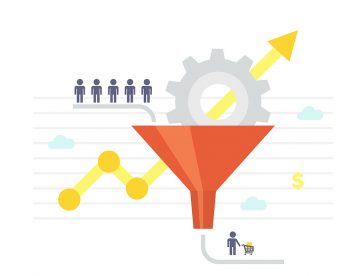
Is your Store Optimized? How do you Measure eCommerce Conversion Rates?
Mike Patel
11 May 2022 -
 Digital Marketing
ioVista Recognized for B2B Services: Excellence Award Winner 2022
Mike Patel
03 May 2022 -

-

-
 Digital Marketing
Adobe Commerce 2.4.4 Release: Faster, Better, More Scalable
Mike Patel
13 Apr 2022 -
 Digital Marketing
Adobe Commerce and Magento 1 Sites at Risk: Magento Vulnerabilities Exploited
Mike Patel
29 Mar 2022 -
 Digital Marketing
Is Your Business Ready for Digital Transformation? The Key Steps!
Mike Patel
01 Mar 2022 -

-

-

-
 Digital Marketing
The How & Why: Successful Data-Driven Marketing for eCommerce Stores
Mike Patel
13 Jan 2022 -

-
 Digital Marketing
5 Key Reasons to Enable Social Commerce Channels for your Store
Mike Patel
17 Dec 2021 -
 Digital Marketing
ioVista is honored to be one of the Top 1000 Companies 2021
Mike Patel
13 Dec 2021 -
 Digital Marketing
Are Your FB, Instagram, Pinterest Accounts Geared for Social Shopping?
Mike Patel
30 Nov 2021 -
 Digital Marketing
Five BFCM Strategies Merchants Love To Implement For Holidays
Mike Patel
26 Oct 2021 -
 Digital Marketing
How to Meet Holiday Shoppers’ Needs With an Omnichannel Approach
Mike Patel
20 Oct 2021 -
 Digital Marketing
Support for Magento Commerce 2.3 and Magento Open Source 2.3 Ends
Mike Patel
05 Oct 2021 -
 Digital Marketing
Why your Business Needs Marketing Automation this Holiday Season
Mike Patel
30 Sep 2021 -
 Digital Marketing
How Augmented Reality can Deliver more Engaging Shopping Experiences
Mike Patel
21 Sep 2021 -
 Digital Marketing
These 5 Local Business Marketing Strategies Will Transform Your Business
Mike Patel
17 Sep 2021 -

-
-

-









Let’s work together to create outstanding digital experiences.
With 20+ years of industry experience, ioVista understands your eCommerce needs and delivers best-in-class solutions that help you gain a competitive edge.
or Call us at: +1 214-699-4391

TOP
Get in Touch