


Everything You Need To Know About eCommerce SEO in 2024
16 Apr 2024
 Albert Wood

eCommerce SEO in 2024 has undergone significant transformation. Initially, the focus was on basic tactics like keyword stuffing and accumulating as many backlinks as possible, with little regard for the quality or relevance of those links.
This approach was primarily driven by the limitations of early search algorithms, which prioritized quantity over quality. However, as search engines have evolved, so too has eCommerce SEO.
Today, the emphasis has shifted towards creating a superior user experience, crafting high-quality content, and implementing technical optimizations that enhance website performance.
This evolution reflects a broader change in the digital landscape, where user satisfaction and content relevance have become paramount.
Understanding the Evolution of eCommerce SEO in 2024
The journey of eCommerce SEO from its rudimentary beginnings to its current sophisticated state mirrors the advancements in search engine algorithms.
In the early days, the goal was to appear in search results, leading to practices like keyword stuffing and excessive link building. As search engines developed, they prioritized site structure, user experience (UX), and content quality.
This shift necessitated a more nuanced approach to eCommerce SEO, incorporating technical SEO, on-page optimization, and quality backlink profiles. Today, successful eCommerce SEO strategies focus on meeting user needs and aligning with search engines’ emphasis on relevance and UX.
Significance of SEO in the eCommerce Landscape
SEO’s role in transforming eCommerce businesses is profound. Here’s an overview of the major eCommerce SEO benefits:
- Increased Visibility and Traffic: SEO helps eCommerce websites rank higher in search engine results pages (SERPs), making them more visible to potential customers. This increased visibility leads to more traffic, translating into higher sales.
- Cost-Effectiveness: Compared to paid advertising, SEO is a cost-effective strategy to drive traffic. Once your website ranks high for specific keywords, you don’t have to pay for clicks, making it a sustainable long-term strategy.
- Improved User Experience: SEO involves optimizing a website’s structure and content to make it more user-friendly. A well-structured, fast-loading website with high-quality content tends to rank higher in search results, improving user experience and boosting conversion rates.
- Building Credibility and Trust: Users often perceive websites on the first page of search results as more trustworthy and credible. SEO helps build your brand’s reputation, encouraging more users to trust and engage with your eCommerce platform.
- Better Conversion Rates: Optimized sites are more likely to convert visitors into customers. SEO strategies often target specific keywords that indicate buying intent, leading to higher conversion rates than generic traffic.
Setting the Stage: 2024 eCommerce Trends
The eCommerce landscape is rapidly evolving, marked by significant trends reshaping how businesses operate and engage with customers.
Emerging eCommerce Industry Dynamics
The emerging dynamics in the eCommerce industry are shaped by various factors transforming how businesses operate and how consumers shop online.
- Changing Consumer Behaviors: Today’s consumers seek more personalized and engaging shopping experiences. They prefer online platforms with customization, interactive content, and tailored product recommendations.
- Growth of Mobile Shopping: The proliferation of smartphones has significantly influenced eCommerce, with consumers using their mobile devices to browse, compare, and purchase products. This shift demands that eCommerce businesses optimize their websites and apps for mobile users to enhance accessibility and user experience.
- Emergence of Social Commerce: Social media platforms are evolving into vibrant marketplaces. Features like shoppable posts and direct checkout options on platforms such as Instagram and TikTok are blurring the lines between content consumption and online shopping, enabling a seamless path from discovery to purchase.
- Seamless Transactions Across Devices: Given the variety of devices consumers use to access the internet, eCommerce businesses focus on creating seamless shopping experiences across all devices, including desktops, tablets, and smartphones. This involves responsive website design, synchronized shopping carts, and unified customer profiles.
Impact of Technological Advancements on SEO
The impact of technological advancements on SEO cannot be overstated. With artificial intelligence (AI), augmented reality (AR), virtual reality (VR), and machine learning algorithms becoming more sophisticated, the approach to eCommerce SEO is rapidly changing.
AI and machine learning algorithms are improving search engines’ ability to understand user intent and deliver more personalized search results. AR and VR technologies are beginning to influence SEO strategies by enhancing the online shopping experience, making it more interactive and engaging.
Optimizing for these technologies is becoming increasingly crucial for businesses looking to improve their search engine rankings and visibility. As these technologies evolve, they will be essential in shaping SEO strategies and the overall eCommerce landscape.
The Basics of eCommerce SEO
eCommerce SEO makes your online store more visible on search engine results pages (SERPs). When people search for products you sell, you want to rank as highly as possible to get more traffic. You can get traffic from paid search, but SEO costs much less.
Defining eCommerce SEO Basics
eCommerce SEO aims to enhance your website’s visibility in SERPs for product-related searches. This involves optimizing your site to rank higher when users search for your products.
The primary goal is to attract more organic traffic to your site, which can lead to increased sales and customer engagement without the ongoing costs associated with paid advertising channels.
Key Components of a Solid SEO Strategy
A well-rounded eCommerce SEO strategy includes several vital components.
1. Keyword Research
Identifying the right keywords is the foundation of any effective SEO strategy. This involves researching and selecting terms that potential customers use to find products like yours. Keyword research helps you understand what your audience is searching for and how to optimize your content.
2. On-Page Optimization
This refers to all measures taken directly within your website to improve its position in the search rankings. This includes optimizing your titles, descriptions, and product content and using the correct keywords to help search engines better understand your pages.
3. Technical SEO
Technical SEO involves optimizing your website’s backend to improve search rankings. This includes improving site speed, ensuring your site is mobile-friendly, implementing a secure sockets layer (SSL), creating a sitemap, and ensuring your site is easily crawlable by search engine bots.
4. Link Building
Acquiring high-quality backlinks from reputable sites to your eCommerce site is essential for improving your site’s authority and search rankings. Effective link-building strategies include guest blogging, influencer outreach, and creating shareable content.

Keyword Research in 2024
Keyword research has evolved into a more dynamic and intricate component of eCommerce SEO in 2024. Technological advancements and changes in user behavior have led to new methodologies for identifying and targeting keywords that truly matter.
Adapting to New Search Trends
understanding user intent and the significance of long-tail keywords has become more crucial than ever for eCommerce SEO in 2024. The advancements in voice search and natural language processing (NLP) technologies mean more people use conversational queries to find what they need online.
These changes necessitate a shift in keyword research strategies to focus on the intent behind searches rather than just the keywords themselves. This approach ensures that content matches what users are looking for, improving the chances of your eCommerce site ranking higher in SERPs.
Moreover, competitor analysis has become an indispensable part of keyword research, offering insights into the keywords your competitors are targeting, their ranking strategies, and gaps in their approaches that you can exploit.
Tools and Techniques for Effective Keyword Research
Uncovering the best keywords to use for your site involves using several tools. You’ll want a solid understanding of how to use the following:
1. Google Keyword Planner
Google Keyword Planner is essential for identifying keywords relevant to your eCommerce business. It provides data on search volume and competition levels while suggesting additional related keywords, helping you refine your SEO strategy with targeted keywords with a high potential for driving traffic.
2. SEMrush
SEMrush is a comprehensive SEO tool that offers advanced features for keyword research, including keyword analytics, domain analytics, and the ability to track your site’s ranking for specific keywords. It also provides insights into your competitors’ strategies, enabling you to identify opportunities for improvement.
3. Ahrefs
Ahrefs is another powerful SEO tool favored for its robust keyword research capabilities. It offers detailed keyword reports, backlink analysis, and competitive analysis features. With Ahrefs, you can uncover the keywords your competitors are ranking for and identify high-potential keywords that could drive more traffic to your site.
On-Page SEO Best Practices
In 2024, on-page SEO will be critical for eCommerce sites, focusing on optimizing individual web pages to rank higher and earn more relevant traffic in search engines.
Crafting SEO-Friendly Product Descriptions
To write SEO-friendly product descriptions, create unique and compelling content that naturally incorporates your target keywords. Avoid keyword stuffing, as it can harm your SEO efforts. Instead, aim for a balance where your keywords fit seamlessly into descriptions that offer real value to your customers.
Highlight the benefits and features of your products in a way that speaks directly to your audience’s needs and queries. Using active voice and persuasive language can make your product descriptions more engaging and likely to convert.
Optimizing Product Images for Search
Product images play a crucial role in user experience and SEO. To optimize your images for search, start with image compression to reduce file sizes without sacrificing quality. This can improve page load speeds, a critical factor in SEO.
Use descriptive, keyword-rich file names and alt tags for each image. This will help search engines understand the content of your pictures and how they relate to your products. This will not only improve your visibility in image search results but also enhance the accessibility of your site for users with visual impairments.
Importance of Mobile Optimization
With Google’s mobile-first indexing, having a mobile-friendly website is no longer optional. Your eCommerce site must be optimized for mobile devices, ensuring it loads quickly, displays correctly on various screen sizes, and offers an intuitive user experience on smartphones and tablets.
This involves using responsive design, optimizing button sizes and placement for touchscreens, and minimizing intrusive pop-ups that can frustrate mobile users. Mobile optimization is crucial for improving your site’s ranking in SERPs and your users’ onsite experience, directly impacting your conversion rates and eCommerce SEO success.
Off-Page SEO Strategies
Off-page SEO will be crucial for eCommerce websites. It focuses on building your site’s authority and trustworthiness beyond the on-page content. This involves acquiring high-quality backlinks, leveraging social media, and engaging in other external activities that signal your website’s relevance and credibility to search engines.
Building High-Quality Backlinks
One of the most effective off-page SEO strategies is building high-quality backlinks from relevant, authoritative sources. Backlinks serve as endorsements from other websites, indicating to search engines that your content is valuable and trustworthy.
However, not all backlinks are beneficial. The most valuable ones are contextual, placed within the content of other websites, ideally within blog posts that relate directly to your site or homepage for listicles.
Strategies for building backlinks include guest blogging on industry-related sites, forming partnerships with influencers who can link back to your site, and engaging in digital PR to get mentions and links from media outlets. The quality of the backlinks is more important than the quantity, so focus on getting links from authoritative sites relevant to your niche.
Social Media Signals and SEO
While social media signals do not directly influence search engine rankings, they are crucial in off-page SEO by increasing your content’s reach and visibility. Engagement on social media platforms can lead to more shares, likes, and comments, which can indirectly boost your site’s authority by driving traffic.
Additionally, social media profiles often rank in search results for brand names, and the content shared through these platforms can help you capture a broader audience. Leveraging social media for off-page SEO involves consistently posting high-quality content, engaging with your audience, and using social media ads to increase visibility and traffic to your eCommerce site.
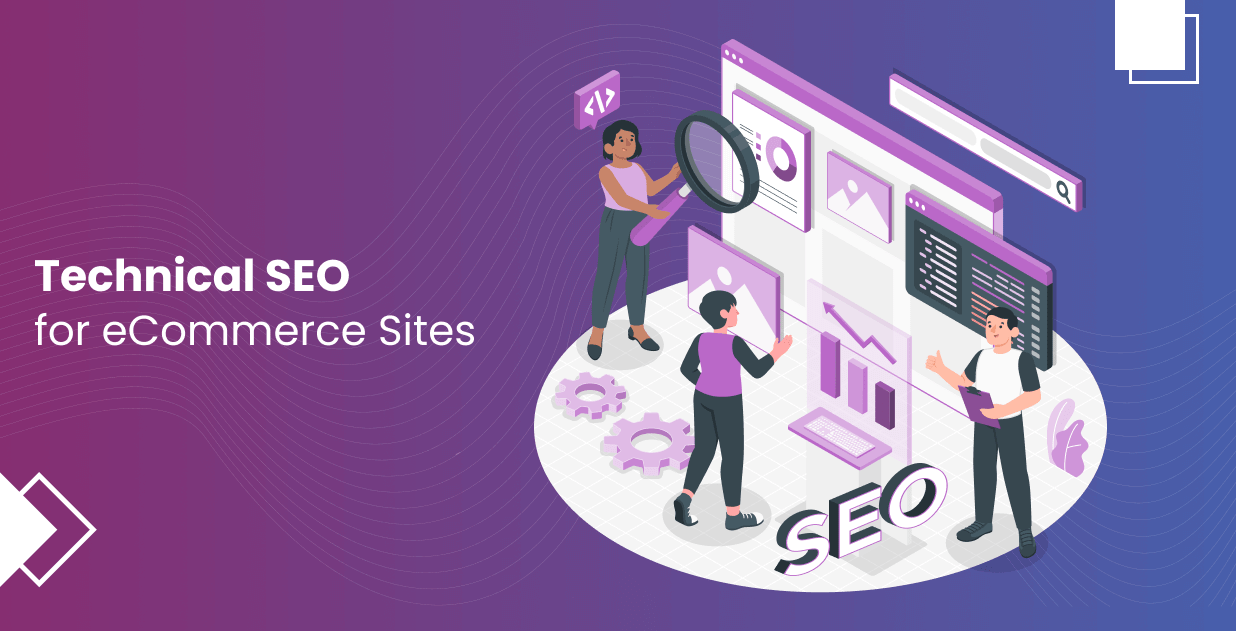
Technical SEO for eCommerce Sites
Technical SEO is a cornerstone for any eCommerce site aiming to improve its online presence and search engine rankings in 2024. This aspect of SEO focuses on optimizing your website’s infrastructure, ensuring that search engines can easily crawl, index, and render your pages.
Enhancing Website Performance
Improving website performance is essential for both SEO and user experience. Fast-loading pages, mobile optimization, and secure browsing are just a few elements that search engines consider when ranking sites. Implementing these technical improvements can significantly impact your site’s ability to attract and retain visitors.
1. Google Core Web Vitals
Google’s Core Web Vitals are specific factors that Google considers essential in a webpage’s overall user experience. These include loading performance, interactivity, and visual stability of the page.
High scores in these areas are crucial for SEO and user satisfaction, as they directly influence ranking in search results. Optimizing for Core Web Vitals ensures that your site meets Google’s standards for speed and usability, making it more likely to rank well.
2. Canonical Tags
Canonical tags tell search engines which version of a page is the “master” or primary version. This is especially important for eCommerce sites, where duplicate content can occur due to product listings, categories, and tags.
Using canonical tags helps prevent issues with duplicate content and ensures that search engines index and rank the pages you intend.
3. Solve 404 Product Pages Hassle
Handling discontinued products without harming your site’s SEO involves strategically managing 404 pages. Instead of leaving dead links, redirecting users to similar products or categories can improve user experience and retain potential sales.
Implementing permanent redirects (301s) for discontinued product pages to relevant alternatives can also pass link equity to active pages, maintaining your site’s authority.
Implementing Schema Markup for Products
Schema markup is a code that you can add to your website to help search engines return more informative results for users. Implementing schema markup for eCommerce sites can enhance how your products appear in search results with rich snippets that include prices, availability, and review ratings.
User Experience and SEO
Search engines have refined their algorithms to prioritize sites that provide relevant content and offer an exceptional user experience. This evolution underscores the importance of integrating UX considerations into every aspect of your SEO strategy.
Impact of UX on Search Rankings
User experience factors like site speed, mobile friendliness, and intuitive navigation significantly impact SEO. Google uses these factors to assess a website’s quality, reasoning that a site offering a superior user experience is likely to satisfy searchers’ needs more effectively.
For instance, fast-loading pages reduce bounce rates and increase visitors’ time on your site, which are positive signals to search engines. Similarly, a mobile-friendly website caters to the vast number of users who access the internet via mobile devices, aligning with Google’s mobile-first indexing.
Navigational Improvements for SEO Success
Improving your site’s navigation is crucial for enhancing user experience and optimizing search engines. Here are some tips for making your website more navigable.
- Simplify Your Site’s Structure: A well-organized structure makes it easier for users to navigate and for search engines to crawl and index your content. Aim for a logical hierarchy with a clear path from your homepage to important content.
- Use Descriptive URLs: Ensure your URLs are intuitive and descriptive of the content on each page, using keywords where appropriate. This not only aids users in understanding what to expect from a page and helps search engines determine its relevance.
- Implement Breadcrumb Navigation: Breadcrumbs provide users with a location trail within your site’s structure. This feature is beneficial for navigation and offers the added advantage of appearing in search results, which can improve click-through rates.
- Optimize Your Internal Linking Structure: Strategic internal linking helps distribute page authority throughout your site and makes it easier for users to explore related content. Use relevant anchor text for internal links to enhance UX and SEO.
Content Marketing in eCommerce
Content marketing continues to be a pivotal element in the eCommerce sector, bridging brands and their audiences. Businesses can attract, engage, and retain customers more effectively than ever by delivering valuable, relevant content.
Creating Engaging and Informative Content
Engaging and informative content, including blogs, guides, and videos, helps educate your audience and build trust and authority in your niche. This content should address your target audience’s problems and questions, offering solutions and showcasing your products in a helpful context.
The key is to produce informative and compelling content, encouraging visitors to spend more time on your site, which can positively impact your SEO rankings.
Balancing Product-Centric and Educational Content
Striking the right balance between product-centric and educational content is crucial for eCommerce businesses. While it’s important to highlight your products and their benefits, providing value through educational content is equally important.
This approach enhances the user experience by offering valuable information and positions your brand as an authority in your field.
For instance, a company selling skincare products can create content on skin care routines, tips for managing acne, and the science behind their ingredients alongside product-focused content. This balance ensures that you’re not just selling a product but also providing value that resonates with your audience’s broader interests and needs.

Local SEO for eCommerce Businesses
Local SEO has become crucial for eCommerce businesses aiming to capture and engage a local customer base. It enhances visibility for local searches, ensuring that your business appears when potential customers are looking for products or services you offer in their area.
Optimizing for Local Searches
Optimizing your eCommerce site for local searches involves several strategies to improve your visibility in local search results.
This includes local keyword optimization and incorporating location-based keywords into your website’s meta tags, content, and URLs. Creating location-specific pages on your site can also significantly boost local SEO.
These pages can be tailored for different cities or regions you serve, providing specific information and offers relevant to those areas. Ensuring your NAP (Name, Address, Phone Number) information is consistent across your website and other online platforms is vital for local SEO success.
Leveraging Google My Business
An optimized Google My Business (GMB) listing is indispensable for local visibility. Your GMB profile acts as a direct conduit to your business, offering potential customers immediate access to your hours of operation, directions, and even the ability to call your business directly from the search results page.
Complete and accurate information in your GMB listing, high-quality photos, and regular updates can improve your ranking in local search results. Encouraging satisfied customers to leave positive reviews on your GMB profile can further enhance your eCommerce business’s credibility and attractiveness, making it more likely for local shoppers to choose you over competitors.
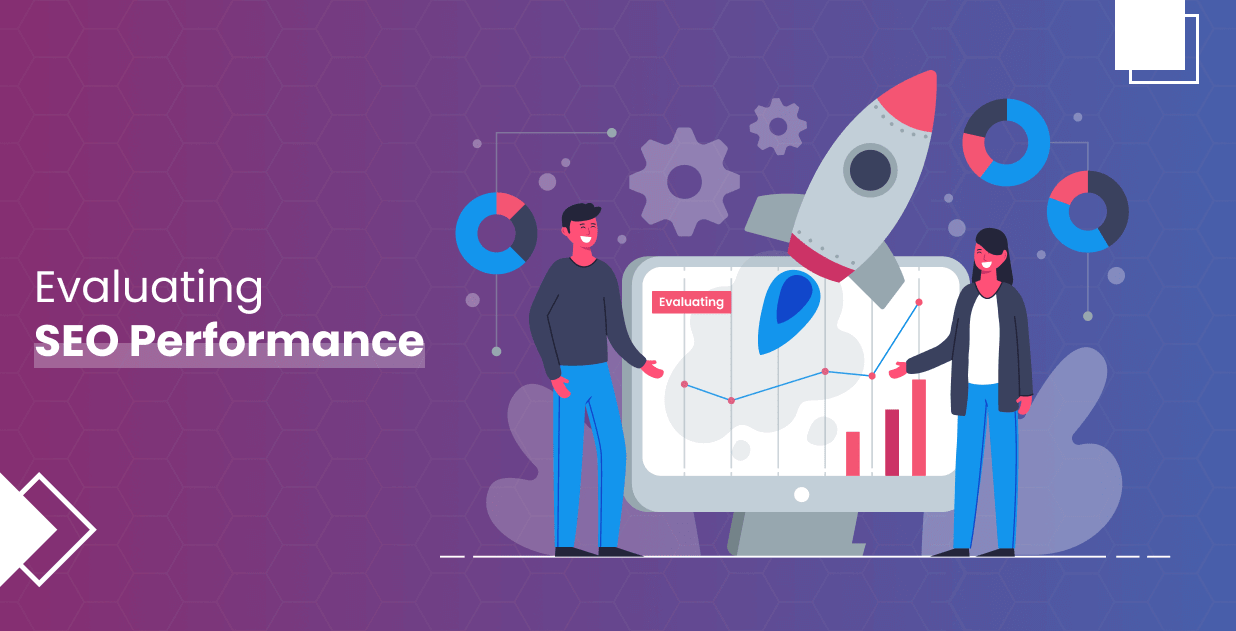
Evaluating SEO Performance
Evaluating the performance of your eCommerce SEO strategies is essential to understanding their effectiveness and identifying areas for improvement. This involves tracking specific metrics that reflect your site’s performance regarding search visibility, user engagement, and conversion.
Key Metrics for eCommerce SEO Success
Several key metrics are crucial for assessing the success of your eCommerce SEO services and efforts.
- Organic Traffic: The volume of visitors coming to your site from unpaid search results. An increase in organic traffic indicates that your SEO strategies effectively improve your site’s visibility in search results.
- Conversion Rate: The percentage of visitors who take a desired action on your site, such as purchasing. A higher conversion rate suggests your site attracts visitors and compels them to engage with your content or products.
- Keyword Rankings: The positions of your website’s pages in search engine results pages (SERPs) for specific keywords. Tracking changes in your keyword rankings can help you understand how well your content performs for targeted search terms.
Utilizing Analytics Tools for Insights
Utilizing analytics tools is indispensable to monitor these metrics and gain insights into your SEO performance.
- Google Analytics: A comprehensive tool that provides detailed data on your website’s traffic, user behavior, and conversion metrics. It helps you understand how visitors interact with your site and which traffic sources are most valuable.
- Google Search Console: This tool offers insights into your site’s presence in Google’s search results. It shows which queries bring users to your site, how often your pages appear in search results, and how users interact with your results. It also identifies issues affecting your site’s search results performance.
Adapting to Algorithm Changes
Understanding and adjusting to these updates can significantly impact your site’s visibility and performance as search engines evolve.
Staying Informed on Search Engine Updates
Staying up-to-date with search engine algorithm updates and SEO best practices is crucial for maintaining and improving your site’s ranking. Google frequently updates its algorithms to provide users with more relevant, high-quality search results.
These updates can affect how your site is indexed and ranked. Therefore, regularly monitoring SEO news sources and official search engine blogs and attending webinars or industry conferences can help you stay informed about the latest changes and how to adjust your strategies accordingly.
Strategies for Coping with Algorithm Changes
Focus on the following tips to maintain a resilient SEO strategy that can adapt to algorithm changes.
- White-Hat SEO Techniques: Stick to ethical SEO practices, avoiding shortcuts and schemes that attempt to manipulate search rankings. White-hat techniques, such as building a natural backlink profile and optimizing for user experience, ensure long-term success.
- Technical SEO: Keep your website technically sound by ensuring fast page load times, mobile-friendliness, and secure connections (HTTPS). Regularly audit your site for technical issues affecting its search results performance.
- User Experience (UX): Prioritize the user experience by making your site easy to navigate, providing engaging content, and reducing bounce rates. A positive user experience is a key factor that search engines consider when ranking sites.
- Flexibility: Be prepared to adapt your SEO strategies quickly in response to algorithm changes. This means staying agile, regularly reviewing your SEO performance, and being ready to implement necessary adjustments.

The Role of Voice Search in eCommerce
Voice search is rapidly transforming the eCommerce landscape and will become essential to SEO strategies in 2024. This shift is driven by the increasing use of digital assistants and the convenience of voice commands.
Understanding the Rise of Voice Searches
The popularity of voice search is rising, thanks to the widespread adoption of voice-activated devices and improvements in voice recognition technology. This trend reshapes keyword research and content strategy, as voice searches often involve longer, more conversational queries than traditional text-based searches.
Users are more likely to use natural language and ask direct questions. As a result, eCommerce businesses need to adapt their SEO strategies to cater to this more natural search behavior, focusing on long-tail keywords and question-based content that aligns with voice search queries.
Optimizing for Voice-Activated Devices
Focusing on natural language and question-based queries is crucial for optimizing voice search. Here are some tips:
- Incorporate Conversational Keywords: Adapt your strategy to include conversational phrases and long-tail keywords that mimic how real people talk and ask questions.
- Create Question-Based Content: Structure your content to answer specific questions your target audience might ask. Utilize FAQ pages, blog posts, and articles that directly address these queries.
- Optimize for Local Searches: Many voice searches are local. Ensure your business is optimized for local SEO by claiming your Google My Business listing, using local keywords, and including location-based information on your site.
- Improve Site Speed and Mobile Optimization: Since most voice searches are performed on mobile devices, having a mobile-friendly, fast-loading website is more important than ever.
- Use Schema Markup: Implementing structured data can help search engines understand the context of your content, making it more likely to be featured in voice search results.
Future Trends in eCommerce SEO
As we move forward, eCommerce SEO is poised to evolve in response to technological advancements and changing consumer behaviors. Understanding these future trends is crucial for staying ahead in the competitive digital marketplace.
Predictions for SEO in the Coming Years
Several key trends are expected to shape the future of SEO in the coming years:
- Semantic Search: With improvements in natural language processing (NLP), search engines better understand the context and intent behind searches. eCommerce sites must optimize for semantic search by focusing on topics and user intent rather than just keywords.
- Artificial Intelligence (AI): AI transforms how search engines rank content. Google’s use of AI in its algorithms means that eCommerce websites must continuously improve the user experience and content relevance to rank well.
- Personalization: Customized search results based on a user’s search history, location, and behavior are becoming more common. eCommerce sites delivering personalized experiences are more likely to engage and retain customers.
Preparing for Evolving Search Algorithms
To stay ahead of these changes, eCommerce businesses should focus on the following:
- User Experience (UX): Prioritize the overall user experience on your site, with a focus on mobile optimization, site speed, and intuitive navigation. A positive UX is increasingly important for SEO rankings.
- Site Performance: Technical SEO, including site speed, mobile-friendliness, and secure browsing (HTTPS), will continue to be critical. Regular eCommerce SEO audits can help identify and fix any issues that impact your site’s performance.
- High-Quality Content: Content remains king. Producing high-quality, relevant content that addresses your audience’s needs is essential. As search engines improve their understanding of content, the quality and relevance of your content will directly impact your SEO success.
Summing Up the Essentials for eCommerce SEO in 2024
eCommerce SEO in 2024 hinges on adaptability, focusing on user experience, and delivering quality content. Staying updated with the latest SEO practices, optimizing for mobile and voice searches, and emphasizing technical SEO is crucial for success.
By integrating these strategies, businesses can enhance site visibility, engage more effectively with their audience, and drive conversions. An effective SEO strategy is not static but evolves with changing technologies and user behaviors. These fundamentals will help eCommerce sites thrive in a competitive digital landscape. Talk to the SEO experts at ioVista today to learn more!
Albert Wood

Albert Wood is an accomplished eCommerce Business Analyst. As a technology futurist and sales motivator at ioVista, Albert is dedicated to transforming struggling eCommerce businesses into thriving enterprises. With a keen focus on client’s business processes, user experience (UX), and leveraging the power of digital marketing, he helps businesses optimize their online presence and drive sustainable growth. Albert’s passion is for virtual reality (VR), augmented reality (AR), and mixed reality (MR), immersing himself in unforgettable experiences and exploring the limitless possibilities they offer. His enthusiasm for these emerging technologies fuels his drive to push the boundaries of innovation in eCommerce.
Popular Posts
-

-
 E-Commerce, SEO
B2B Excellence Starts with Adobe Commerce (Magento) - Not WooCommerce
Albert Wood
03 Jun 2025 -
 E-Commerce, SEO
AI and ML in B2B: A Vision for the Future of Commerce by 2025
Albert Wood
27 May 2025 -
 E-Commerce, SEO
20 Next-Gen B2B eCommerce Features that will Dominate in 2025
Albert Wood
20 May 2025 -
 E-Commerce, SEO
WooCommerce to BigCommerce Migration Fuels Your B2B eCommerce Growth
Albert Wood
06 May 2025 -
 E-Commerce, SEO
Adobe Commerce SaaS: How Will It Empower Your eCommerce Business?
Albert Wood
22 Apr 2025 -
 E-Commerce, SEO
Leverage ERP Integration to Scale Your B2B eCommerce Business in 2025
Albert Wood
15 Apr 2025 -
 E-Commerce, SEO
Adobe Commerce Security Update APSB25-26: All You Need to Know
Albert Wood
10 Apr 2025 -

-
 E-Commerce, SEO
Why Scaling Business Should Migrate WooCommerce Stores to Shopify
Albert Wood
08 Apr 2025 -
 E-Commerce, SEO
Why Does Adobe Commerce (Magento) Lead the Way of B2B eCommerce
Albert Wood
18 Mar 2025 -
 E-Commerce, SEO
10 Key Drivers of Digital Transformation in B2B eCommerce for 2025
Albert Wood
04 Mar 2025 -
 E-Commerce, SEO
5 Leading eCommerce Platforms to Build Scalable B2B Customer Portals
Albert Wood
25 Feb 2025 -

-
 E-Commerce, SEO
Adobe Commerce Security Update APSB25-08: All You Need to Know
Albert Wood
13 Feb 2025 -

-
 E-Commerce, SEO
What Makes a Great Online B2B Customer Portal? Top 10 Features to Know
Albert Wood
04 Feb 2025 -
 E-Commerce, SEO
Legacy B2B eCommerce Systems Slowing You Down? It's Time for Modernization
Albert Wood
28 Jan 2025 -
 E-Commerce, SEO
80% of B2B Businesses Are Holding You Back by Legacy eCommerce Systems. Is Yours One of Them?
Albert Wood
15 Jan 2025 -

-

-

-
 E-Commerce, SEO
Security Update APSB24-73 for Adobe Commerce: Everything You Need to Know
Albert Wood
14 Oct 2024 -

-

-
 E-Commerce, SEO
Hyvä Theme for Magento 2: Uncover Powerful Features – Evaluate Pros and Cons
Albert Wood
16 Jul 2024 -
-

-

-

-

-

-
 E-Commerce, SEO
It’s Official: ioVista Has Become a Recognized Adobe Specialized Partner
Albert Wood
05 Sep 2023 -
-

-
 E-Commerce, SEO
ioVista Announced as a 2023 Local Excellence Award Winner by UpCity
Albert Wood
09 May 2023 -

-

-

-
 E-Commerce, SEO
7 Proven Strategies to Increase B2B/Wholesale eCommerce Revenue
Albert Wood
01 Feb 2023 -

-

-

-
 E-Commerce, SEO
BigCommerce Releases StagingPro for Enterprise Merchants and Agency Developers
Albert Wood
15 Dec 2022 -

-

-
 E-Commerce, SEO
Universal Analytics Going Away: What Does it Mean, What you need to Do?
Albert Wood
24 Nov 2022 -
 E-Commerce, SEO
40% of Magento and Adobe Commerce Websites at Risk in November 2022
Albert Wood
17 Nov 2022 -
 E-Commerce, SEO
Website Support: How Can ioVista Help keep your Store Up and Running During Holidays
Albert Wood
17 Nov 2022 -

-
 E-Commerce, SEO
Adobe Releases Critical Security Patches for Magento 2.4.5 and 2.4.4
Albert Wood
27 Oct 2022 -

-

-
 E-Commerce, SEO
Magento 2 Vulnerability: Surge in Hacking on Unpatched Stores
Albert Wood
27 Sep 2022 -
 E-Commerce, SEO
Get your Holiday eCommerce Marketing Started with These 5 Tips
Albert Wood
15 Sep 2022 -
 E-Commerce, SEO
Why a Magento Code Audit is Essential for your eCommerce Store
Albert Wood
10 Sep 2022 -

-

-
 E-Commerce, SEO
How BigCommerce makes it easy for Legacy Businesses to get started with B2B eCommerce
Albert Wood
23 Aug 2022 -
 E-Commerce, SEO
The Challenges of eCommerce in Manufacturing and how to Overcome them
Albert Wood
17 Aug 2022 -

-
-

-

-
 E-Commerce, SEO
The Growth of eCommerce and its impact on the Manufacturing Industry
Albert Wood
01 Jul 2022 -

-
 E-Commerce, SEO
Magento Open Source Vs Commerce Vs Cloud: How to Pick your Edition
Albert Wood
14 Jun 2022 -
 E-Commerce, SEO
Is your Store Optimized? How do you Measure eCommerce Conversion Rates?
Albert Wood
11 May 2022 -
 E-Commerce, SEO
ioVista Recognized for B2B Services: Excellence Award Winner 2022
Albert Wood
03 May 2022 -

-
 E-Commerce, SEO
BigCommerce Strengthens Its Hold in B2B eCommerce Landscape: Acquires Bundle B2B
Albert Wood
27 Apr 2022 -

-
-
 E-Commerce, SEO
BigCommerce Releases Multi-Storefront: Multiple Brand Management within a Single Store
Albert Wood
01 Apr 2022 -
 E-Commerce, SEO
Adobe Commerce and Magento 1 Sites at Risk: Magento Vulnerabilities Exploited
Albert Wood
29 Mar 2022 -
 E-Commerce, SEO
Is Your Business Ready for Digital Transformation? The Key Steps!
Albert Wood
01 Mar 2022 -
 E-Commerce, SEO
ioVista named as Dallas’ most Recommended and Reviewed Digital Strategy Companies 2022
Albert Wood
24 Feb 2022 -

-

-
 E-Commerce, SEO
Progressive Web App: A well-established Approach to Architecting a Modern Website
Albert Wood
11 Feb 2022 -

-
 E-Commerce, SEO
How to Improve Internal Site Search for Better Mobile Conversions: 7 Proven Strategies
Albert Wood
27 Jan 2022 -
 E-Commerce, SEO
The How & Why: Successful Data-Driven Marketing for eCommerce Stores
Albert Wood
13 Jan 2022 -

-
 E-Commerce, SEO
5 Key Reasons to Enable Social Commerce Channels for your Store
Albert Wood
17 Dec 2021 -

-
 E-Commerce, SEO
Are Your FB, Instagram, Pinterest Accounts Geared for Social Shopping?
Albert Wood
30 Nov 2021 -
 E-Commerce, SEO
Five BFCM Strategies Merchants Love To Implement For Holidays
Albert Wood
26 Oct 2021 -
 E-Commerce, SEO
How to Meet Holiday Shoppers’ Needs With an Omnichannel Approach
Albert Wood
20 Oct 2021 -
 E-Commerce, SEO
Support for Magento Commerce 2.3 and Magento Open Source 2.3 Ends
Albert Wood
05 Oct 2021 -
 E-Commerce, SEO
Why your Business Needs Marketing Automation this Holiday Season
Albert Wood
30 Sep 2021 -
 E-Commerce, SEO
How Augmented Reality can Deliver more Engaging Shopping Experiences
Albert Wood
21 Sep 2021 -
 E-Commerce, SEO
These 5 Local Business Marketing Strategies Will Transform Your Business
Albert Wood
17 Sep 2021 -

-
-

-




Let’s work together to create outstanding digital experiences.
With 20+ years of industry experience, ioVista understands your eCommerce needs and delivers best-in-class solutions that help you gain a competitive edge.
or Call us at: +1 214-699-4391

TOP
Get in Touch