


Custom-made or Ready-made Theme for your Magento Store – The Pros & Cons
26 Nov 2019
 Mike Patel
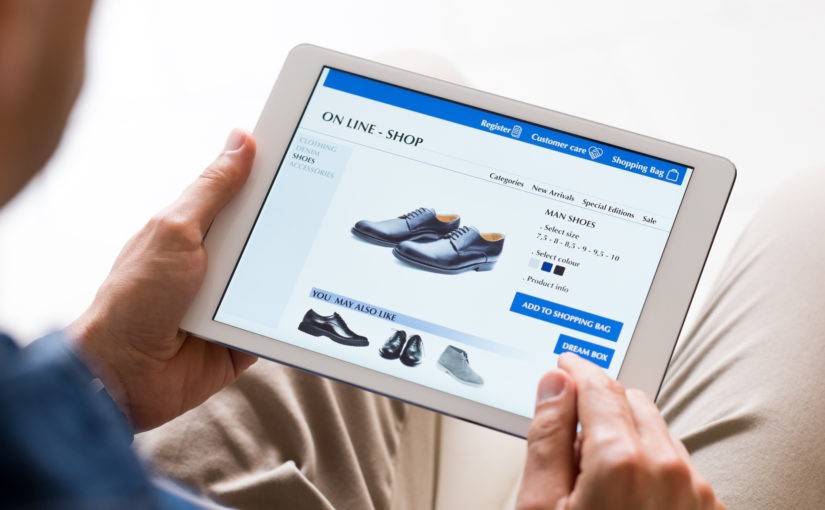
Choosing between ready-made and custom-made theme for your Magento storefront is crucial, and it all depends on your needs.
If you need a high-level customized website with complex product figurations and specific functionality, a custom-made theme is perfect for you.
And, if you need something more standard for a business that has just taken off, a ready-made theme will be the choice for you.
However, both custom-made and ready-made themes have pros and cons. Let’s dive deeper and take a closer look at both of these great options for your Magento store.
Ready-made Themes
Ready-made themes are pre-designed for you. They are meant for Magento users who are just starting and may not be ready to create an expensive, custom theme. However, there is still a wide variety of ready-made themes available, and choosing one is still exciting and fun. Once you choose the theme, you can begin choosing the details like color and typeface. Although these designs aren’t “custom,” they still make any store look great.
Here are some pros of ready-made themes:
- User-friendly
Ready-made made Magento themes are very user-friendly because they have been made for thousands of stores. Developers design these themes with users in mind because they want people to be able to create the best eCommerce store possible. Ready-made designs are going to have responsive web design, good loading times, and a variety of easy-to-use tools. Having an user-friendly platform is vital for eCommerce users, so they like this aspect of ready-made themes.
- Low Cost
This is a huge factor that greatly influences eCommerce owners. Because these themes have been created to sell to thousands of stores, they can be sold at a very low price. These themes are usually sold for around $100-$200, but they are still very high quality. eCommerce owners are drawn to these low prices and like they quality of these ready-made themes.
- Good Support
Extensive support is part of ready-made themes. You will be able to chat with developers about your questions and they can help you troubleshoot any issues you may have. Keep in mind that the level of support that you get is dependent on the theme developer that you purchase from. Some support is better than others, but most of the time you’ll get the support you need.
Here are some cons of ready-made themes:
- Inconsistent Quality
When you buy your themes ready-made, you’re taking a bit of a gamble on the quality. Depending on who develops your themes, you may not end up with something that you love. Themes that are said to be high-quality may have slow loading times and lots of unnecessary features that you won’t ever use. You may have to try a few ready-made themes before you decide on one in particular. And, even if you do like one of these themes and mold it to fit your store, it still won’t have that high-quality of a custom-made theme.
- Limited Customization
Using a ready-made Magento theme won’t give you the customization that your brand needs. These ready-made themes allow you to make adjustments to things like layout, color, and typeface, but no dramatic changes. When comparing ready-made and custom-made themes, ready-made themes have very limited customization.
- Functionality Constraints
With pre-made themes, you can add some additional features and can install certain extensions that you need. However, you won’t be able to add custom features that you’ve made yourself.
Custom-made Magento Themes
Now that we’ve discussed some details about ready-made themes, let’s take a look at custom-made themes!
Did you know that Coca Cola runs on a Magento custom-made theme?
If you don’t want to shape your eCommerce site around a ready-made theme, you can hire a web developer or use a development team to create a custom theme just for you. This is going to be much more expensive than using a ready-made theme, but your site will look amazing and your brand will stand out. Your site will look exactly how you want it to look because your site is essentially going to be built from the ground up.
The high cost of custom-made themes can turn people away, but they also several advantages. Let’s compare some pros and cons.
Pros:
- Exclusive Design for your Brand
Custom-made themes are entirely yours. The developers that work with you will create a storefront that shows off your branding, highlights your products, and works great for your customers. The theme will be user-friendly and will attract both old and new customers. Also, your site will be unique – no one else will have the same storefront that you do.
- Highly Customizable
You can add as many special features and elements to your website as you want. As your team builds your theme, you can decide what you want to add and you can make changes. After the theme is built, you can even add more features as time goes on. Your storefront is going to grow and you’re going to have new features you’re going to want to incorporate. With custom-made themes, you can add features at any point.
After adding plugins, payment gateways, and certain APIs to your website, your development team will make sure that your theme has fast loading time and is compatible with everything you’ve added on. Compatibility can be an issue for ready-made themes, but you can be confident in the compatibility of a custom-made theme.
Cons:
- Takes a Long Time to Create
Custom-made themes take time to create. While web developers and designers do work quickly, the process takes time, hard work, and collaboration. These themes can take months – or even up to a year – to complete. It all depends on how complex your theme is and what kind of changes you ask your development team to make.
- High Cost
Hiring a professional web development team to create a Magento site is not cheap. The lowest you can spend on something like this is around $4,000, but if you want the best of the best, the price can climb to hundreds of thousands of dollars.
- Maintenance and Support Fee
Once your site is finished, it will need routine maintenance. Unless you have lots of experience with web design, you’ll need to pay your development team for this kind of support.
Ready-made vs. custom-made…which should you choose?
This decision truly all depends on your needs. If you’re just starting, a ready-made theme is probably perfect for you. If you’re a little more experienced and have found your niche, you may want to consider a custom-theme and plan on budgeting that into your business.
Mike Patel

Mike Patel is the Founder and CEO of ioVista, a leading digital commerce agency specializing in eCommerce solutions. With a strong background in business and technology, Mike Patel has been at the forefront of driving digital transformations for businesses. He has successfully navigated the ever-changing landscape of eCommerce, helping companies leverage the power of online platforms to grow their brand, increase revenues, and optimize their digital presence. Under his leadership, ioVista has become a trusted partner with major technology companies: Adobe/Magento, Google, BigCommerce, Shopify, and Yahoo. He is dedicated to staying ahead of industry trends, adopting cutting-edge technologies, and continuously improving strategies to provide clients with a competitive edge. Mike’s commitment to excellence and client satisfaction is evident in every project ioVista undertakes.
Popular Posts
-
-
 Magento
B2B Excellence Starts with Adobe Commerce (Magento) - Not WooCommerce
Mike Patel
03 Jun 2025 -

-

-
-
-
 Magento
Leverage ERP Integration to Scale Your B2B eCommerce Business in 2025
Mike Patel
15 Apr 2025 -
-
-
-
-
-
-

-
-
-
 Magento
What Makes a Great Online B2B Customer Portal? Top 10 Features to Know
Mike Patel
04 Feb 2025 -
 Magento
Legacy B2B eCommerce Systems Slowing You Down? It's Time for Modernization
Mike Patel
28 Jan 2025 -
-
-
-
 Magento
Security Update APSB24-73 for Adobe Commerce: Everything You Need to Know
Mike Patel
14 Oct 2024 -
-

-
 Magento
Hyvä Theme for Magento 2: Uncover Powerful Features – Evaluate Pros and Cons
Mike Patel
16 Jul 2024 -
-
-
-

-

-

-
 Magento
It’s Official: ioVista Has Become a Recognized Adobe Specialized Partner
Mike Patel
05 Sep 2023 -
-
-
-

-
-
-

-

-
-
-
 Magento
BigCommerce Releases StagingPro for Enterprise Merchants and Agency Developers
Mike Patel
15 Dec 2022 -
-

-
 Magento
Universal Analytics Going Away: What Does it Mean, What you need to Do?
Mike Patel
24 Nov 2022 -

-
 Magento
Website Support: How Can ioVista Help keep your Store Up and Running During Holidays
Mike Patel
17 Nov 2022 -
-
-

-
-
-

-

-

-
-
 Magento
How BigCommerce makes it easy for Legacy Businesses to get started with B2B eCommerce
Mike Patel
23 Aug 2022 -
 Magento
The Challenges of eCommerce in Manufacturing and how to Overcome them
Mike Patel
17 Aug 2022 -
-
-
-
-

-

-
-
 Magento
Is your Store Optimized? How do you Measure eCommerce Conversion Rates?
Mike Patel
11 May 2022 -

-

-
 Magento
BigCommerce Strengthens Its Hold in B2B eCommerce Landscape: Acquires Bundle B2B
Mike Patel
27 Apr 2022 -

-
-
 Magento
BigCommerce Releases Multi-Storefront: Multiple Brand Management within a Single Store
Mike Patel
01 Apr 2022 -
 Magento
Adobe Commerce and Magento 1 Sites at Risk: Magento Vulnerabilities Exploited
Mike Patel
29 Mar 2022 -

-
 Magento
ioVista named as Dallas’ most Recommended and Reviewed Digital Strategy Companies 2022
Mike Patel
24 Feb 2022 -
-

-
 Magento
Progressive Web App: A well-established Approach to Architecting a Modern Website
Mike Patel
11 Feb 2022 -
-
 Magento
How to Improve Internal Site Search for Better Mobile Conversions: 7 Proven Strategies
Mike Patel
27 Jan 2022 -

-

-

-

-
 Magento
Are Your FB, Instagram, Pinterest Accounts Geared for Social Shopping?
Mike Patel
30 Nov 2021 -

-
-
-

-

-
 Magento
These 5 Local Business Marketing Strategies Will Transform Your Business
Mike Patel
17 Sep 2021 -

-
-

-



Let’s work together to create outstanding digital experiences.
With 20+ years of industry experience, ioVista understands your eCommerce needs and delivers best-in-class solutions that help you gain a competitive edge.
or Call us at: +1 214-699-4391

TOP
Get in Touch