


5 Ways to Boost eCommerce Sales in 2024
21 Sep 2023
 Mike Patel
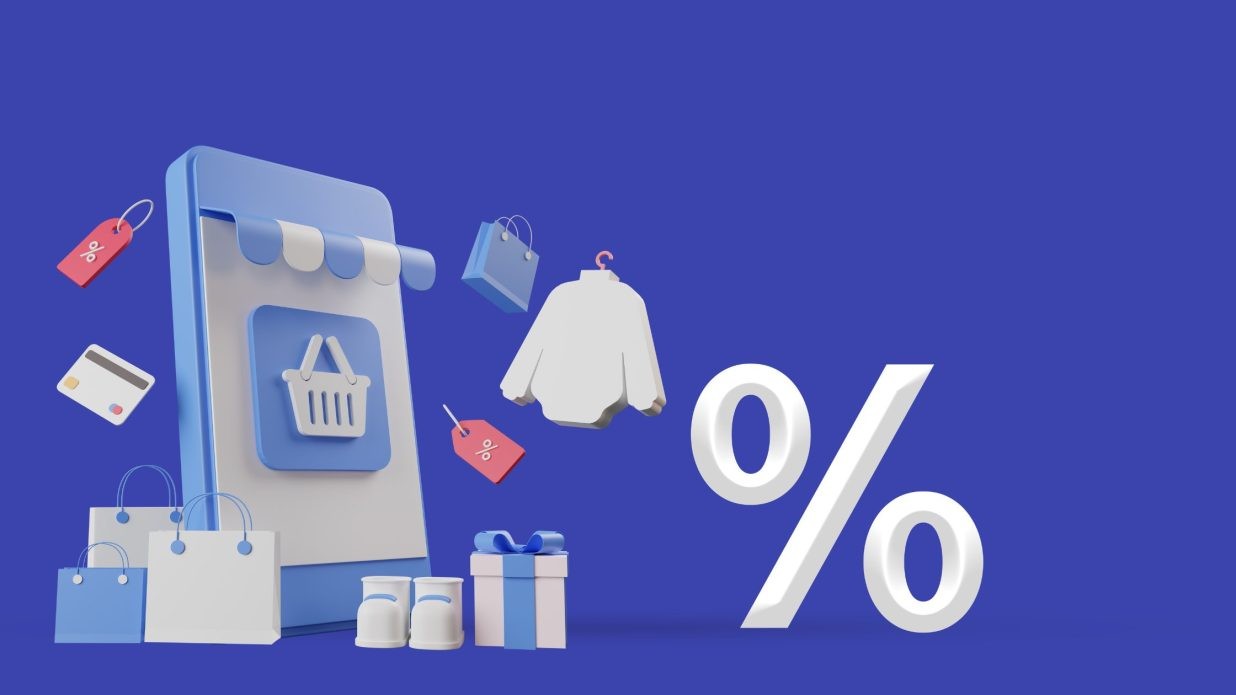
Let’s learn how to boost eCommerce sales with different tactical solutions for conversion rate optimization. You can do so while using your current platform and making minor changes or expanding how many sales channels your product is marketed and sold on.
1. A Personalized Shopping Experience
Customize a personalized shopping experience for all your clients. Making customers feel important before, during, and after shopping with you will encourage them to return to you for future needs. Send your customer a personalized email or text message after a purchase to follow up with them.
Ask if they are satisfied with their purchase and if they can leave an honest review for you on your website, review platforms like Yotpo, Review.io, etc., or your Google profile. In email or text, you can also suggest any additional products or services you offer that can accompany what they originally purchased from you.
These are some of the features that are available on Magento, Adobe Commerce, the licensed version of Magento, and ones that can be added to your current selling platform:
- AI-driven technology that recommends products as clients shop the website.
- Adobe Sensei AI search and recommendations
- ElasticSearch
- Klevu
- Proto AI
- Personalization via omnichannel marketing resources to reach a wider audience.
- Feedonomics
- ChannelEngine
- Different apps to help you run your business, such as:
- Customer service chat
- Reminders to check customer reviews
- Tools for improving SEO-driven content on your website
- Syncing customer contacts for easy time reaching out via email, direct mail, and phone numbers
2. Sell Your Products On More Than Just Your Website
Sure, you may already have pretty good sales selling your products on your company website. However, you can diversify your product-selling portfolio by considering other platforms to sell your merchandise.
Analyze where your clients like to shop most. You can collect data by hosting polls on your social media pages. Listening to your most loyal clients about where they shop most is the best step to getting proactive results. Alternatively, you can conduct research based on client demographics versus the most likely retailers they shop at based on age, gender, and other qualities.
Think about big box retailers where many shoppers frequent to enhance your selling power. Target and Walmart are amongst the most popular online shopping big box store platforms. Depending on the nature of your product, you can sell your product on their websites, Walmart.com and TargetPlus. Using Etsy, Amazon Homemade, or Storenvy can increase your sales too.
If your store is on Adobe Commerce, Magento Open Source, and BigCommerce, consider adding a “Buy With Prime” feature where online shoppers can check out using their Amazon Prime account while still shopping on your website. This skyrockets conversion rates because customers can conveniently check out as if they are shopping on Amazon without actually being logged on directly to the platform.
3. Use SEO To Push Your Products
It’s possible to do SEO optimization no matter what platform you use to sell your products. If you haven’t already, start writing blog posts utilizing search engine optimization (SEO). This means integrating popular keywords into your blog posts so that they rank higher on Google on search engine results pages (SERPs).
Gather keyword research by using the Google Keyword Planner tool. Based on ad campaigns that you post on Google, you will be automatically suggested new keywords you haven’t used yet to inspire a broader spread outreach. View the monthly search amount to see which keywords are more typed into the search engine than others.
Alternatively, you can read blogs from other competitors in your niche to see which keywords surface the most throughout posts. Then, you can uniquely integrate these keywords into your blog posts while cross-referencing them with a keyword research tool to fine-tune your overall SEO approach.
Pro Tip: Refrain from keyword stuffing in an attempt to rank higher in search engine results. This is a counterproductive tactic that will decrease rankings. For example, Google sees keyword stuffing as spam, hence why your search engine ranking could be lower using this method. Instead, have primary keywords sprinkled in about once every 200 or more words throughout the blog post so that keywords are more balanced throughout the content rather than showing up repetitively.
4. Develop a Social Commerce Marketing Plan
How you implement your eCommerce strategy is essential for how to grow eCommerce sales. Having a social commerce marketing plan can build brand loyalty and increase sales.
What is Social Commerce?
Social commerce involves using social media to market and promote your products to clients. Regularly using social commerce generated $724 billion in sales for American businesses in 2022. Whether it’s TikTok, Facebook, Instagram, Pinterest, Twitter, or a combination of social media, there are many ways to develop a social commerce marketing plan.
Sell on TikTok, Facebook, or Instagram stories directly from your social media page. Host flash sales and advertise them on your stories. Don’t forget to link to the products on your website.
Find influencers in your product niche across different social media platforms. Ask them to help you promote the product in their reels. You can agree on a commission they’ll earn for each product they sell using their affiliate link.
Sample Social Commerce Marketing Plan
Implement a plan for your online store something like this:
- Post a unique update about your online store once daily when your social media followers are mostly online.
- Report new product launches a couple of weeks before to excite your followers. Give a one-week reminder, a three-day one, and an official announcement on launch day.
- Make Reels or TikToks demonstrating how to use your products to engage followers.
- Post polls to gain insight into what clients love most and least about your products.
5. You Don’t Know What You Don’t Know – And It’s Costing You
Considering that most digital work of “running” ad campaigns on sales channels like Google, Bing, Yahoo, etc., and sales marketplaces like Amazon, Walmart, Esty, etc., along with “doing’ SEO, is usually done in-house by employees who have many other task and roles, many times with some favorable results are less than optimal
However, contracting a professional outside your organization is always the ideal way to scale your sales professionally. Ad spends with the highest ROAS and lower customer acquisition costs are achieved by professionals whose sole job is to stay educated and ahead of digital marketing trends. They do digital marketing full-time without becoming unfocused due to other company obligations.
If you run an online business, try these tactics to boost eCommerce sales. Better yet, talk with the eCommerce experts at ioVista and learn how hiring a professional can scale your business. Contact us to find out more!
Mike Patel

Mike Patel is the Founder and CEO of ioVista, a leading digital commerce agency specializing in eCommerce solutions. With a strong background in business and technology, Mike Patel has been at the forefront of driving digital transformations for businesses. He has successfully navigated the ever-changing landscape of eCommerce, helping companies leverage the power of online platforms to grow their brand, increase revenues, and optimize their digital presence. Under his leadership, ioVista has become a trusted partner with major technology companies: Adobe/Magento, Google, BigCommerce, Shopify, and Yahoo. He is dedicated to staying ahead of industry trends, adopting cutting-edge technologies, and continuously improving strategies to provide clients with a competitive edge. Mike’s commitment to excellence and client satisfaction is evident in every project ioVista undertakes.
Popular Posts
-
 Adobe Commerce, BigCommerce, Digital Marketing, E-Commerce, Magento, SEO
Adobe Commerce Security Update APSB25-50: Key Highlights
Mike Patel
11 Jun 2025 -
 Adobe Commerce, BigCommerce, Digital Marketing, E-Commerce, Magento, SEO
B2B Excellence Starts with Adobe Commerce (Magento) - Not WooCommerce
Mike Patel
03 Jun 2025 -
 Adobe Commerce, BigCommerce, Digital Marketing, E-Commerce, Magento, SEO
AI and ML in B2B: A Vision for the Future of Commerce by 2025
Mike Patel
27 May 2025 -
 Adobe Commerce, BigCommerce, Digital Marketing, E-Commerce, Magento, SEO
20 Next-Gen B2B eCommerce Features that will Dominate in 2025
Mike Patel
20 May 2025 -
 Adobe Commerce, BigCommerce, Digital Marketing, E-Commerce, Magento, SEO
WooCommerce to BigCommerce Migration Fuels Your B2B eCommerce Growth
Mike Patel
06 May 2025 -
 Adobe Commerce, BigCommerce, Digital Marketing, E-Commerce, Magento, SEO
Adobe Commerce SaaS: How Will It Empower Your eCommerce Business?
Mike Patel
22 Apr 2025 -
 Adobe Commerce, BigCommerce, Digital Marketing, E-Commerce, Magento, SEO
Leverage ERP Integration to Scale Your B2B eCommerce Business in 2025
Mike Patel
15 Apr 2025 -
 Adobe Commerce, BigCommerce, Digital Marketing, E-Commerce, Magento, SEO
Adobe Commerce Security Update APSB25-26: All You Need to Know
Mike Patel
10 Apr 2025 -
 Adobe Commerce, BigCommerce, Digital Marketing, E-Commerce, Magento, SEO
Adobe Commerce 2.4.8 Release: Key Highlights
Mike Patel
10 Apr 2025 -
 Adobe Commerce, BigCommerce, Digital Marketing, E-Commerce, Magento, SEO
Why Scaling Business Should Migrate WooCommerce Stores to Shopify
Mike Patel
08 Apr 2025 -
 Adobe Commerce, BigCommerce, Digital Marketing, E-Commerce, Magento, SEO
Why Does Adobe Commerce (Magento) Lead the Way of B2B eCommerce
Mike Patel
18 Mar 2025 -
 Adobe Commerce, BigCommerce, Digital Marketing, E-Commerce, Magento, SEO
10 Key Drivers of Digital Transformation in B2B eCommerce for 2025
Mike Patel
04 Mar 2025 -
 Adobe Commerce, BigCommerce, Digital Marketing, E-Commerce, Magento, SEO
5 Leading eCommerce Platforms to Build Scalable B2B Customer Portals
Mike Patel
25 Feb 2025 -
 Adobe Commerce, BigCommerce, Digital Marketing, E-Commerce, Magento, SEO
Google Search Ranking Volatility: All You Need to Know
Mike Patel
18 Feb 2025 -
 Adobe Commerce, BigCommerce, Digital Marketing, E-Commerce, Magento, SEO
Adobe Commerce Security Update APSB25-08: All You Need to Know
Mike Patel
13 Feb 2025 -
 Adobe Commerce, BigCommerce, Digital Marketing, E-Commerce, Magento, SEO
7 Strategic Benefits of an Online B2B Customer Portal
Mike Patel
11 Feb 2025 -
 Adobe Commerce, BigCommerce, Digital Marketing, E-Commerce, Magento, SEO
What Makes a Great Online B2B Customer Portal? Top 10 Features to Know
Mike Patel
04 Feb 2025 -
 Adobe Commerce, BigCommerce, Digital Marketing, E-Commerce, Magento, SEO
Legacy B2B eCommerce Systems Slowing You Down? It's Time for Modernization
Mike Patel
28 Jan 2025 -
 Adobe Commerce, BigCommerce, Digital Marketing, E-Commerce, Magento, SEO
Essential B2B Commerce Features for 2024
Mike Patel
20 Nov 2024 -
 Adobe Commerce, BigCommerce, Digital Marketing, E-Commerce, Magento, SEO
Security Update Available for Adobe Commerce | APSB24-90
Mike Patel
20 Nov 2024 -
 Adobe Commerce, BigCommerce, Digital Marketing, E-Commerce, Magento, SEO
Why Choose Hyvä Enterprise for Your Adobe Commerce Store?
Mike Patel
19 Nov 2024 -
 Adobe Commerce, BigCommerce, Digital Marketing, E-Commerce, Magento, SEO
Security Update APSB24-73 for Adobe Commerce: Everything You Need to Know
Mike Patel
14 Oct 2024 -
 Adobe Commerce, BigCommerce, Digital Marketing, E-Commerce, Magento, SEO
CosmicSting Exploit Still Poses a Threat
Mike Patel
25 Jul 2024 -
 Adobe Commerce, BigCommerce, Digital Marketing, E-Commerce, Magento, SEO
CosmicSting: Unauthorized XXE Vulnerability
Mike Patel
17 Jul 2024 -
 Adobe Commerce, BigCommerce, Digital Marketing, E-Commerce, Magento, SEO
Magento 2.4.7: Explore the Newest Enhancements and Features
Mike Patel
30 Apr 2024 -
 Adobe Commerce, BigCommerce, Digital Marketing, E-Commerce, Magento, SEO
Magento 2.4.6-p5: Enhancing Stability and Security
Mike Patel
22 Apr 2024 -
 Adobe Commerce, BigCommerce, Digital Marketing, E-Commerce, Magento, SEO
Everything You Need To Know About eCommerce SEO in 2024
Mike Patel
16 Apr 2024 -
 Adobe Commerce, BigCommerce, Digital Marketing, E-Commerce, Magento, SEO
The Impact of Site Speed on eCommerce SEO Performance
Mike Patel
14 Feb 2024 -
 Adobe Commerce, BigCommerce, Digital Marketing, E-Commerce, Magento, SEO
ioVista Attains B2B Specialization on BigCommerce
Mike Patel
30 Oct 2023 -
 Adobe Commerce, BigCommerce, Digital Marketing, E-Commerce, Magento, SEO
5 Ways to Boost eCommerce Sales in 2024
Mike Patel
21 Sep 2023 -
 Adobe Commerce, BigCommerce, Digital Marketing, E-Commerce, Magento, SEO
It’s Official: ioVista Has Become a Recognized Adobe Specialized Partner
Mike Patel
05 Sep 2023 -
 Adobe Commerce, BigCommerce, Digital Marketing, E-Commerce, Magento, SEO
Magento 2.4.7-beta1 Release
Mike Patel
15 Aug 2023 -
 Adobe Commerce, BigCommerce, Digital Marketing, E-Commerce, Magento, SEO
Why Are You Still Using Yahoo Stores in 2023?
Mike Patel
05 Jul 2023 -
 Adobe Commerce, BigCommerce, Digital Marketing, E-Commerce, Magento, SEO
ioVista Announced as a 2023 Local Excellence Award Winner by UpCity
Mike Patel
09 May 2023 -
 Adobe Commerce, BigCommerce, Digital Marketing, E-Commerce, Magento, SEO
Google Analytics 4: What You Need To Know
Mike Patel
29 Mar 2023 -
 Adobe Commerce, BigCommerce, Digital Marketing, E-Commerce, Magento, SEO
Adobe Commerce 2.4.6 Release
Mike Patel
13 Mar 2023 -
 Adobe Commerce, BigCommerce, Digital Marketing, E-Commerce, Magento, SEO
Questions You Should Ask Your Magento Agency
Mike Patel
17 Feb 2023 -
 Adobe Commerce, BigCommerce, Digital Marketing, E-Commerce, Magento, SEO
7 Proven Strategies to Increase B2B/Wholesale eCommerce Revenue
Mike Patel
01 Feb 2023 -
 Adobe Commerce, BigCommerce, Digital Marketing, E-Commerce, Magento, SEO
10 eCommerce Trends to Increase your Sales in 2023
Mike Patel
12 Jan 2023 -
 Adobe Commerce, BigCommerce, Digital Marketing, E-Commerce, Magento, SEO
B2B eCommerce Features Your Store Need in 2023
Mike Patel
05 Jan 2023 -
 Adobe Commerce, BigCommerce, Digital Marketing, E-Commerce, Magento, SEO
Adobe/Magento Highlights 2022 - Is your store Up-to-Date
Mike Patel
20 Dec 2022 -
 Adobe Commerce, BigCommerce, Digital Marketing, E-Commerce, Magento, SEO
Adobe discontinues Support for the 2.4.0-2.4.3 Release Line
Mike Patel
09 Dec 2022 -
 Adobe Commerce, BigCommerce, Digital Marketing, E-Commerce, Magento, SEO
BFCM Round-Up – Get Your Store Ready for Christmas 2022!
Mike Patel
07 Dec 2022 -
 Adobe Commerce, BigCommerce, Digital Marketing, E-Commerce, Magento, SEO
Universal Analytics Going Away: What Does it Mean, What you need to Do?
Mike Patel
24 Nov 2022 -
 Adobe Commerce, BigCommerce, Digital Marketing, E-Commerce, Magento, SEO
40% of Magento and Adobe Commerce Websites at Risk in November 2022
Mike Patel
17 Nov 2022 -
 Adobe Commerce, BigCommerce, Digital Marketing, E-Commerce, Magento, SEO
ioVista Awarded the Best B2B Company 2022
Mike Patel
04 Nov 2022 -
 Adobe Commerce, BigCommerce, Digital Marketing, E-Commerce, Magento, SEO
Adobe Releases Critical Security Patches for Magento 2.4.5 and 2.4.4
Mike Patel
27 Oct 2022 -
 Adobe Commerce, BigCommerce, Digital Marketing, E-Commerce, Magento, SEO
Holiday Season Best Practices for eCommerce
Mike Patel
20 Oct 2022 -
 Adobe Commerce, BigCommerce, Digital Marketing, E-Commerce, Magento, SEO
ioVista is Sponsoring the Largest eCommerce Event in Dallas
Mike Patel
07 Oct 2022 -
 Adobe Commerce, BigCommerce, Digital Marketing, E-Commerce, Magento, SEO
Magento 2 Vulnerability: Surge in Hacking on Unpatched Stores
Mike Patel
27 Sep 2022 -
 Adobe Commerce, BigCommerce, Digital Marketing, E-Commerce, Magento, SEO
Get your Holiday eCommerce Marketing Started with These 5 Tips
Mike Patel
15 Sep 2022 -
 Adobe Commerce, BigCommerce, Digital Marketing, E-Commerce, Magento, SEO
Why a Magento Code Audit is Essential for your eCommerce Store
Mike Patel
10 Sep 2022 -
 Adobe Commerce, BigCommerce, Digital Marketing, E-Commerce, Magento, SEO
Launching a Successful eCommerce Store
Mike Patel
30 Aug 2022 -
 Adobe Commerce, BigCommerce, Digital Marketing, E-Commerce, Magento, SEO
Choosing the Right eCommerce Platform for B2B
Mike Patel
25 Aug 2022 -
 Adobe Commerce, BigCommerce, Digital Marketing, E-Commerce, Magento, SEO
The Challenges of eCommerce in Manufacturing and how to Overcome them
Mike Patel
17 Aug 2022 -
 Adobe Commerce, BigCommerce, Digital Marketing, E-Commerce, Magento, SEO
Adobe Releases Magento Open Source and Adobe Commerce 2.4.5
Mike Patel
10 Aug 2022 -
 Adobe Commerce, BigCommerce, Digital Marketing, E-Commerce, Magento, SEO
How Manufacturers can Switch to eCommerce
Mike Patel
02 Aug 2022 -
 Adobe Commerce, BigCommerce, Digital Marketing, E-Commerce, Magento, SEO
Benefits of eCommerce for Manufacturing
Mike Patel
25 Jul 2022 -
 Adobe Commerce, BigCommerce, Digital Marketing, E-Commerce, Magento, SEO
Magento 2.3.x End-of-Life in September 2022
Mike Patel
19 Jul 2022 -
 Adobe Commerce, BigCommerce, Digital Marketing, E-Commerce, Magento, SEO
The Growth of eCommerce and its impact on the Manufacturing Industry
Mike Patel
01 Jul 2022 -
 Adobe Commerce, BigCommerce, Digital Marketing, E-Commerce, Magento, SEO
The Future of Manufacturing Business is Digital
Mike Patel
24 Jun 2022 -
 Adobe Commerce, BigCommerce, Digital Marketing, E-Commerce, Magento, SEO
Magento Open Source Vs Commerce Vs Cloud: How to Pick your Edition
Mike Patel
14 Jun 2022 -
 Adobe Commerce, BigCommerce, Digital Marketing, E-Commerce, Magento, SEO
Is your Store Optimized? How do you Measure eCommerce Conversion Rates?
Mike Patel
11 May 2022 -
 Adobe Commerce, BigCommerce, Digital Marketing, E-Commerce, Magento, SEO
ioVista Recognized for B2B Services: Excellence Award Winner 2022
Mike Patel
03 May 2022 -
 Adobe Commerce, BigCommerce, Digital Marketing, E-Commerce, Magento, SEO
How to Optimize Your eCommerce Store for Conversions
Mike Patel
29 Apr 2022 -
 Adobe Commerce, BigCommerce, Digital Marketing, E-Commerce, Magento, SEO
Future Proof your Digital Commerce with Headless Commerce
Mike Patel
21 Apr 2022 -
 Adobe Commerce, BigCommerce, Digital Marketing, E-Commerce, Magento, SEO
Adobe Commerce 2.4.4 Release: Faster, Better, More Scalable
Mike Patel
13 Apr 2022 -
 Adobe Commerce, BigCommerce, Digital Marketing, E-Commerce, Magento, SEO
Is Your Business Ready for Digital Transformation? The Key Steps!
Mike Patel
01 Mar 2022 -
 Adobe Commerce, BigCommerce, Digital Marketing, E-Commerce, Magento, SEO
CVE-2022-24086 What is it?
Mike Patel
16 Feb 2022 -
 Adobe Commerce, BigCommerce, Digital Marketing, E-Commerce, Magento, SEO
February 2022, over 500 Legacy Magento 1 Websites Hacked!
Mike Patel
15 Feb 2022 -
 Adobe Commerce, BigCommerce, Digital Marketing, E-Commerce, Magento, SEO
Adobe released a new End of Support Date for Magento 2.3.x
Mike Patel
04 Feb 2022 -
 Adobe Commerce, BigCommerce, Digital Marketing, E-Commerce, Magento, SEO
The How & Why: Successful Data-Driven Marketing for eCommerce Stores
Mike Patel
13 Jan 2022 -
 Adobe Commerce, BigCommerce, Digital Marketing, E-Commerce, Magento, SEO
How to Find Right Audience for your Online Business
Mike Patel
10 Jan 2022 -
 Adobe Commerce, BigCommerce, Digital Marketing, E-Commerce, Magento, SEO
5 Key Reasons to Enable Social Commerce Channels for your Store
Mike Patel
17 Dec 2021 -
 Adobe Commerce, BigCommerce, Digital Marketing, E-Commerce, Magento, SEO
ioVista is honored to be one of the Top 1000 Companies 2021
Mike Patel
13 Dec 2021 -
 Adobe Commerce, BigCommerce, Digital Marketing, E-Commerce, Magento, SEO
Are Your FB, Instagram, Pinterest Accounts Geared for Social Shopping?
Mike Patel
30 Nov 2021 -
 Adobe Commerce, BigCommerce, Digital Marketing, E-Commerce, Magento, SEO
Five BFCM Strategies Merchants Love To Implement For Holidays
Mike Patel
26 Oct 2021 -
 Adobe Commerce, BigCommerce, Digital Marketing, E-Commerce, Magento, SEO
How to Meet Holiday Shoppers’ Needs With an Omnichannel Approach
Mike Patel
20 Oct 2021 -
 Adobe Commerce, BigCommerce, Digital Marketing, E-Commerce, Magento, SEO
Support for Magento Commerce 2.3 and Magento Open Source 2.3 Ends
Mike Patel
05 Oct 2021 -
 Adobe Commerce, BigCommerce, Digital Marketing, E-Commerce, Magento, SEO
Why your Business Needs Marketing Automation this Holiday Season
Mike Patel
30 Sep 2021 -
 Adobe Commerce, BigCommerce, Digital Marketing, E-Commerce, Magento, SEO
How Augmented Reality can Deliver more Engaging Shopping Experiences
Mike Patel
21 Sep 2021 -
 Adobe Commerce, BigCommerce, Digital Marketing, E-Commerce, Magento, SEO
These 5 Local Business Marketing Strategies Will Transform Your Business
Mike Patel
17 Sep 2021 -
 Adobe Commerce, BigCommerce, Digital Marketing, E-Commerce, Magento, SEO
How eCommerce can be the Game Changer for Warehouses
Mike Patel
08 Sep 2021 -
 Adobe Commerce, BigCommerce, Digital Marketing, E-Commerce, Magento, SEO
Magento 2.4.3 has arrived! Everything you Need to Know
Mike Patel
11 Aug 2021 -
 Adobe Commerce, BigCommerce, Digital Marketing, E-Commerce, Magento, SEO
ioVista named 2021 Top B2B Company in Dallas and Texas
Mike Patel
05 Aug 2021 -
 Adobe Commerce, BigCommerce, Digital Marketing, E-Commerce, Magento, SEO
Why Every Business Should Be on eCommerce
Mike Patel
29 Jul 2021









Let’s work together to create outstanding digital experiences.
With 20+ years of industry experience, ioVista understands your eCommerce needs and delivers best-in-class solutions that help you gain a competitive edge.
or Call us at: +1 214-699-4391

TOP
Get in Touch